
Ulvshale
Nature reserve with wild horses in northern Møn
Nature national park in northern Møn with ancient woodland, a flat sandy beach, salt marshes and free-roaming Exmoor ponies, the gateway to bird island Nyord.
Contents
A stretch of wilderness in the north
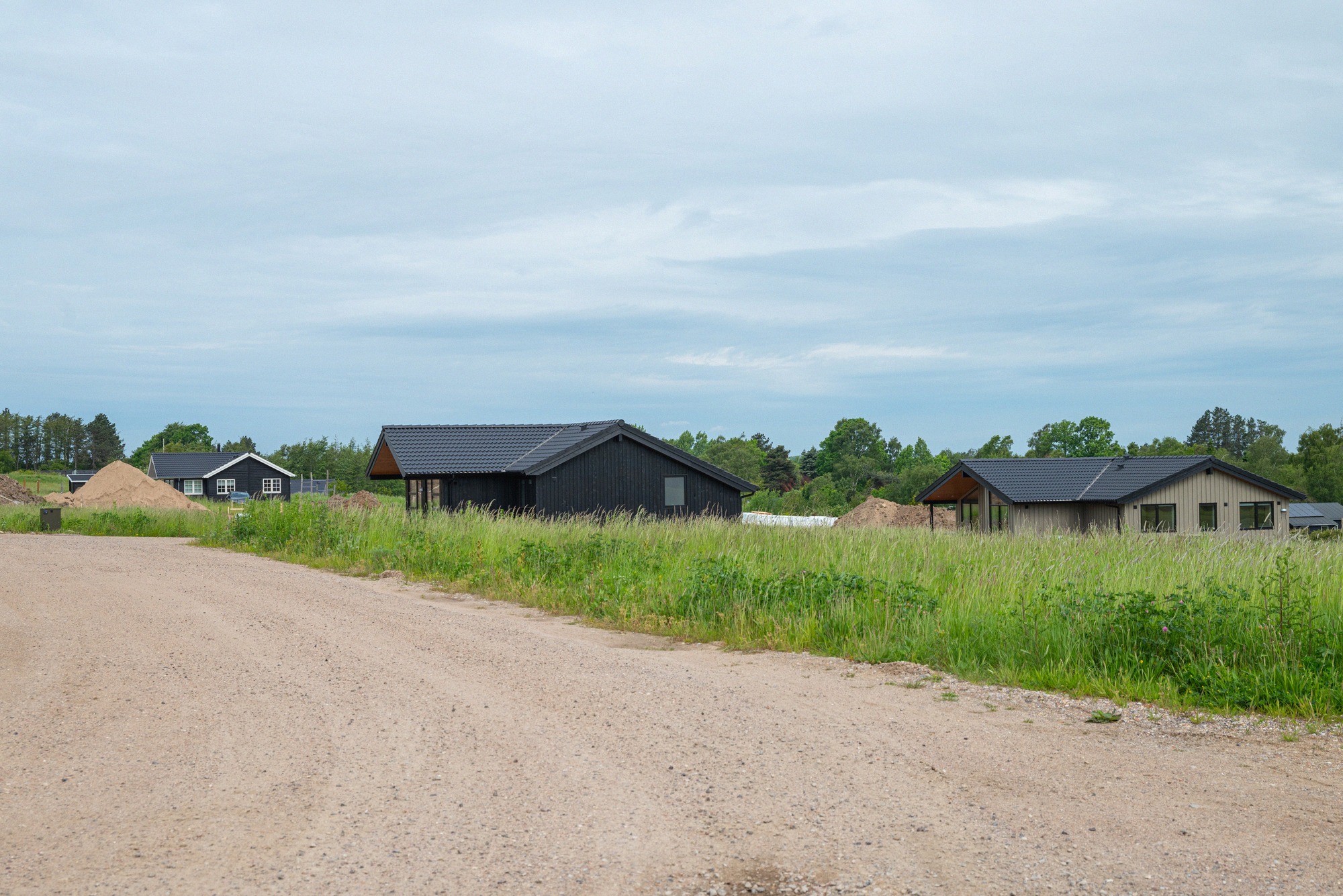
The Ulvshale peninsula in northwestern Møn is one of the island's most untouched nature areas. Ulvshale Forest is considered one of the few largely unmanaged forests in Denmark: a varied mixed woodland of oak, birch, aspen and juniper that has never been intensively worked for timber. The stony ground comes from glacial debris pushed together here during the last ice age. The area is managed by Naturstyrelsen, the Danish Nature Agency; most of it belongs to the state-owned Ulvshale Nature National Park, which was expanded by around 80 hectares in 2025 to roughly 380 hectares in total.
Wild horses and grazing land
Ulvshale is one of only a handful of places in Denmark with free-roaming wild horses. These are Exmoor ponies, considered nearly identical to the European wild horse; ten young animals arrived from Langeland in 2020. Together with cattle, they graze around 220 hectares: six horses live in a woodland paddock in Ulvshale Forest, four in the southwest around Heden, Vedelen and Gåsesøen. The open meadows have been grazed for at least 700 years, the animals keep the landscape open and species-rich. If you come across them, keep your distance and don't feed them; they aren't petting animals.
Beach and salt marshes
Unlike the rugged east coast at Møns Klint, Ulvshale beach is flat and family-friendly, fine sand, shallow water and dunes. Behind it stretch wide salt marshes where cattle graze and countless birds rest. If you're after peace and open space, this is the place: nowhere near the visitor numbers of the chalk cliffs. A walk from the car park through the forest and across the meadows to the water takes one to three hours, depending on pace and how many stops you make.
Birds and the gateway to Nyord
Ulvshale also doubles as the route to the small island of Nyord: a causeway and bridge have linked the two since 1968, passing the Nyord Enge meadows, at around 400 hectares, one of eastern Denmark's largest and most bird-rich salt marsh areas, protected under the Ramsar Convention and one of the country's best habitats for waders and waterfowl. The bridge has only one traffic-light-controlled lane but is open to cars year-round.
In spring and autumn, thousands of geese, ducks and waterfowl pass through; peregrine falcon, white-tailed eagle and crane appear more rarely. Three official viewing points are worth seeking out:
- Bird tower in Ulvshale Forest, right in the heart of the nature area.
- Bird tower at Nyord Enge, on the main road, with a wheelchair-accessible ramp.
- Viewpoint at Hyldevang Nature Centre on Nyord.
The dark, clear nights of the Dark Sky Park extend this far too - Ulvshale and Nyord fall within the protected night sky of northern Møn.
Visiting and practicalities
Access is free year-round. Two nature centres complement the area: Ulvshalegård Nature Centre, with an exhibition on nature and history, and Hyldevang Nature Centre on Nyord, with an exhibition, playground, shelter, sensory garden and a wheelchair-accessible viewpoint; both have their own opening hours. Accessible parking is available at Ulvshale Camping, at Ulvshalegård and in the forest near the bird tower; there's an accessible toilet at Ulvshalegård and a basic step-free toilet at Hyldevang. One walking route is wheelchair-accessible.
Dogs are welcome but must be kept on a lead; the nearest off-lead dog forest is Stege Skov. Ulvshale pairs well with a hike on Høje Møn, or works as a quiet contrast to the chalk cliffs; more routes are gathered in the Nature hub, and a stretch of the Camønoen long-distance trail runs through the region (hiking guide). For getting to the island, see the travel guide.
Frequently Asked Questions
Is there an entrance fee for Ulvshale? +
Can you really see wild horses at Ulvshale? +
When is the best time for birdwatching? +
Can you drive to Nyord? +
Is Ulvshale suitable for wheelchair users and families? +
Nearby
Mølleporten
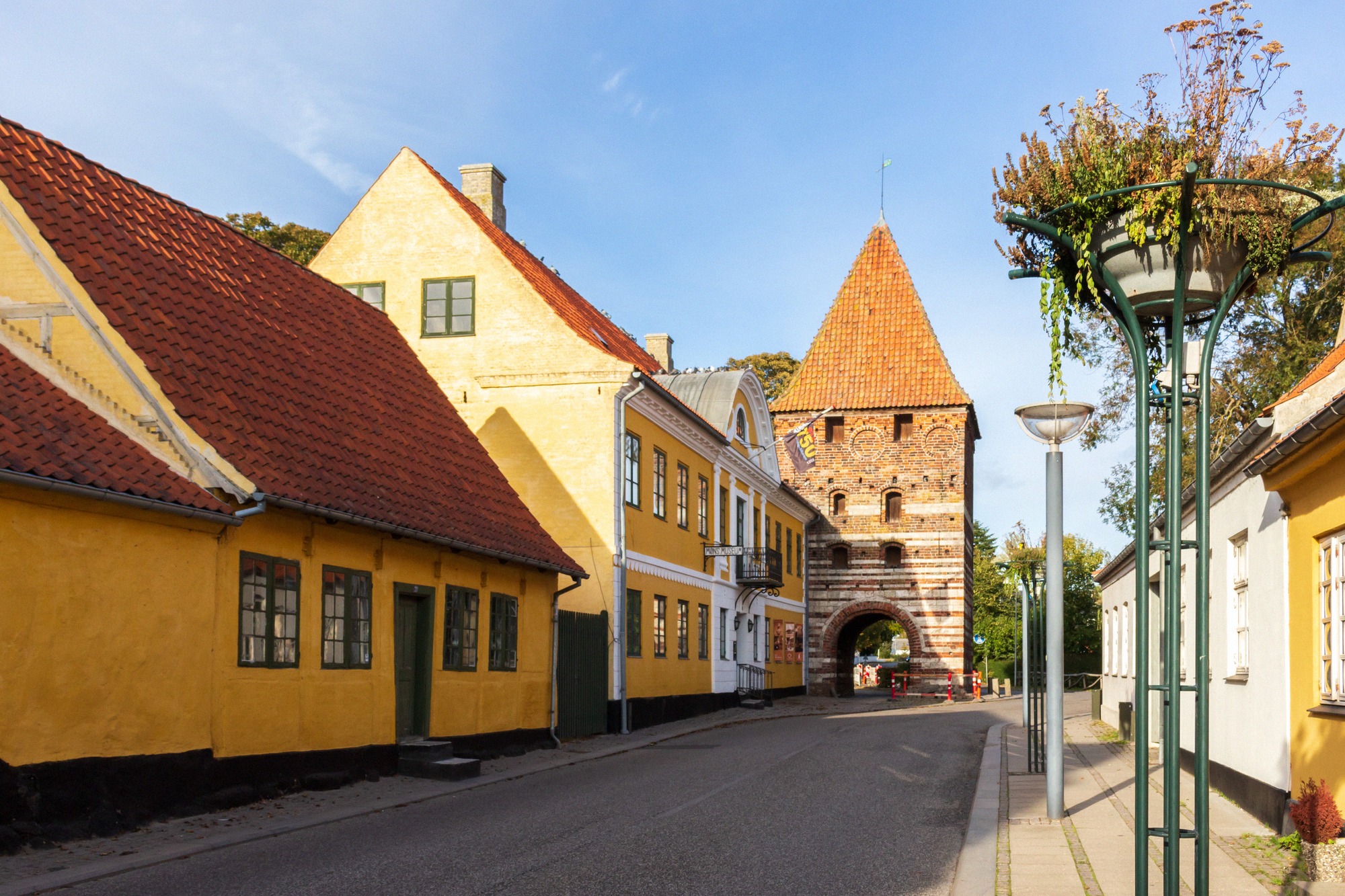
Mølleporten in Stege is one of only two surviving medieval town gates in Denmark, and since its restoration you can now go inside.
Keldby Kirke
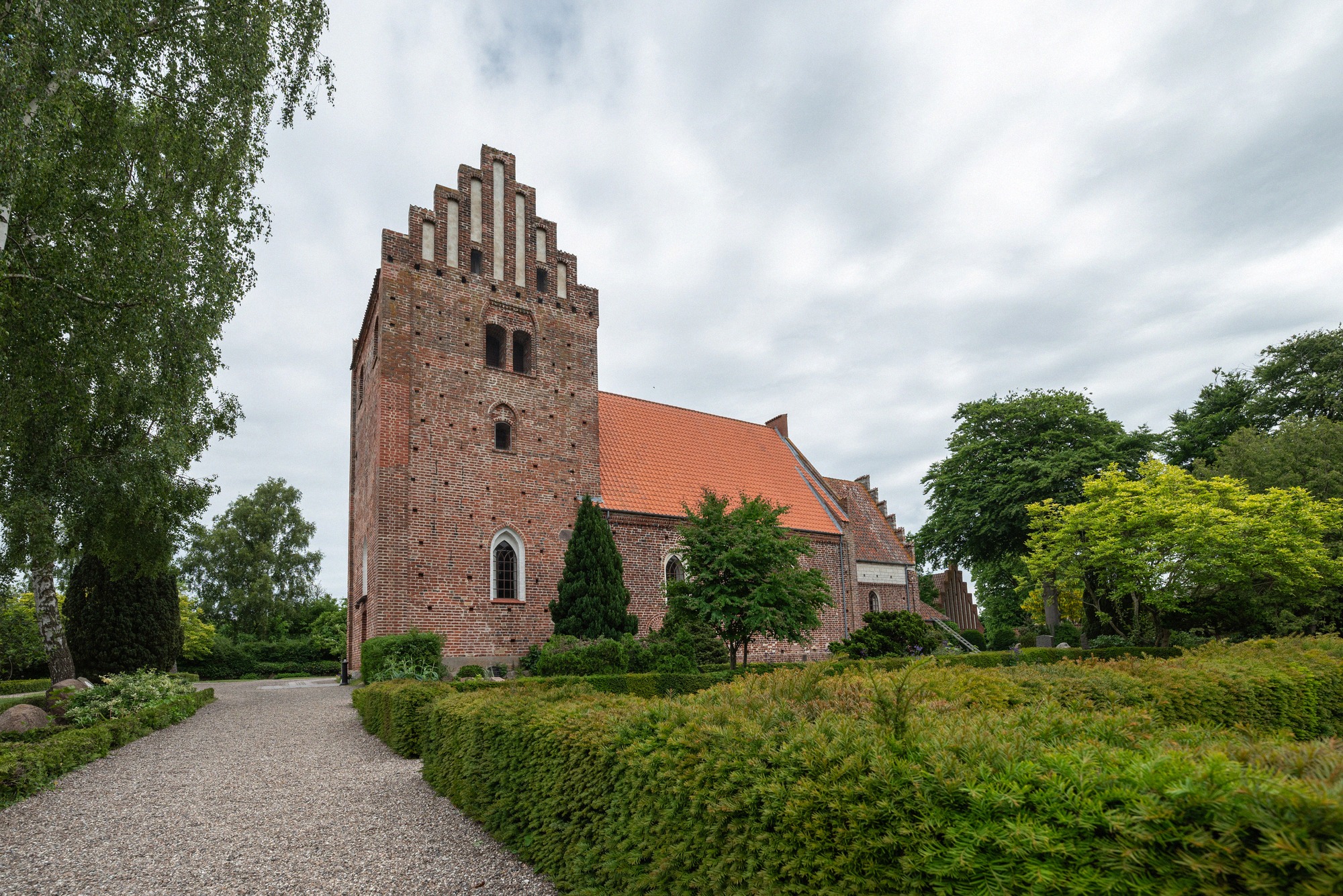
East of Stege, Keldby Kirke holds one of Møn's richest fresco programmes, wall paintings from the 13th to 16th century, including work by the Elmelunde Master.
Elmelunde Kirke
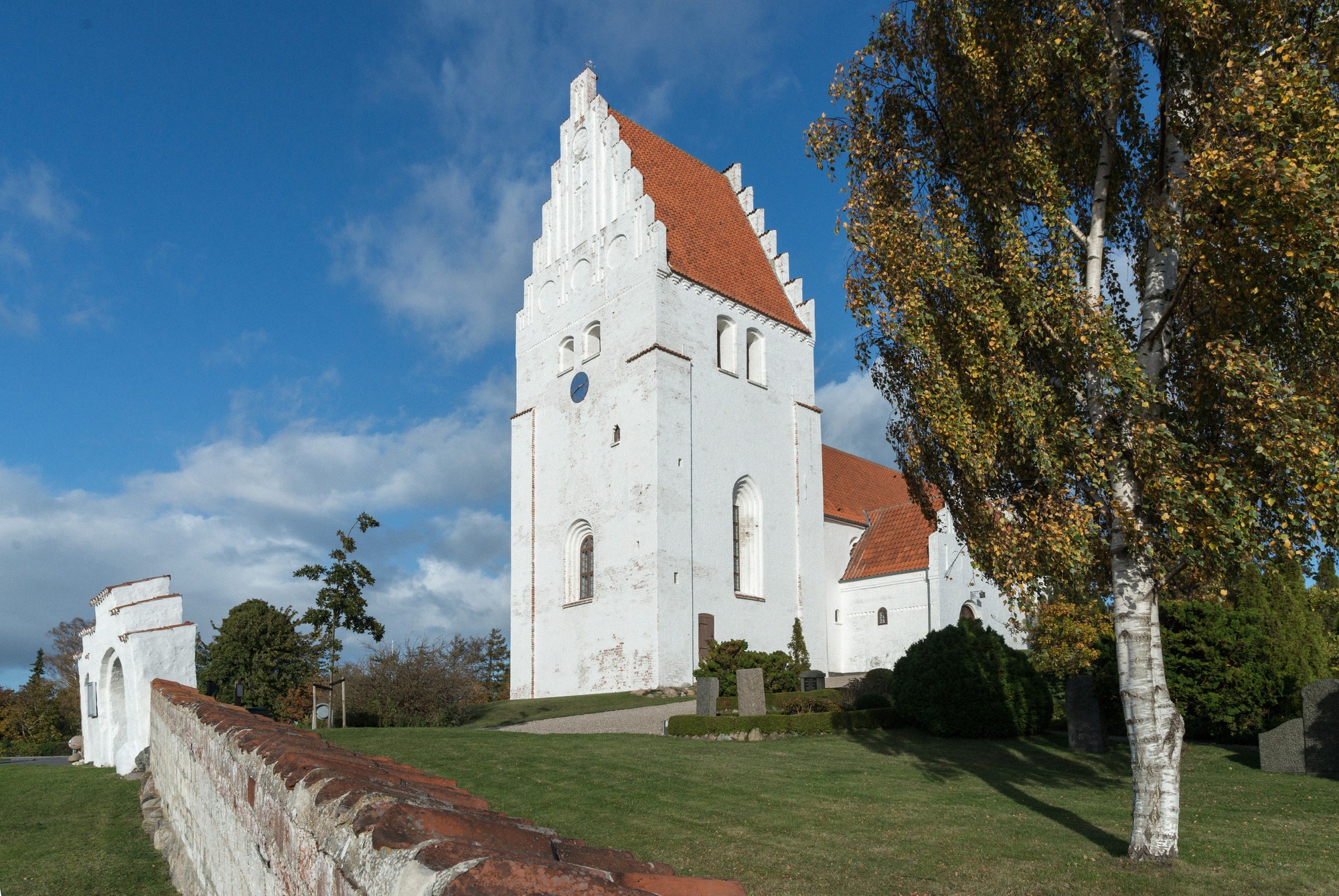
Elmelunde Kirke is the oldest church on Møn and gave the Elmelunde Master his name, its vaults are covered edge to edge with frescoes from around 1500.
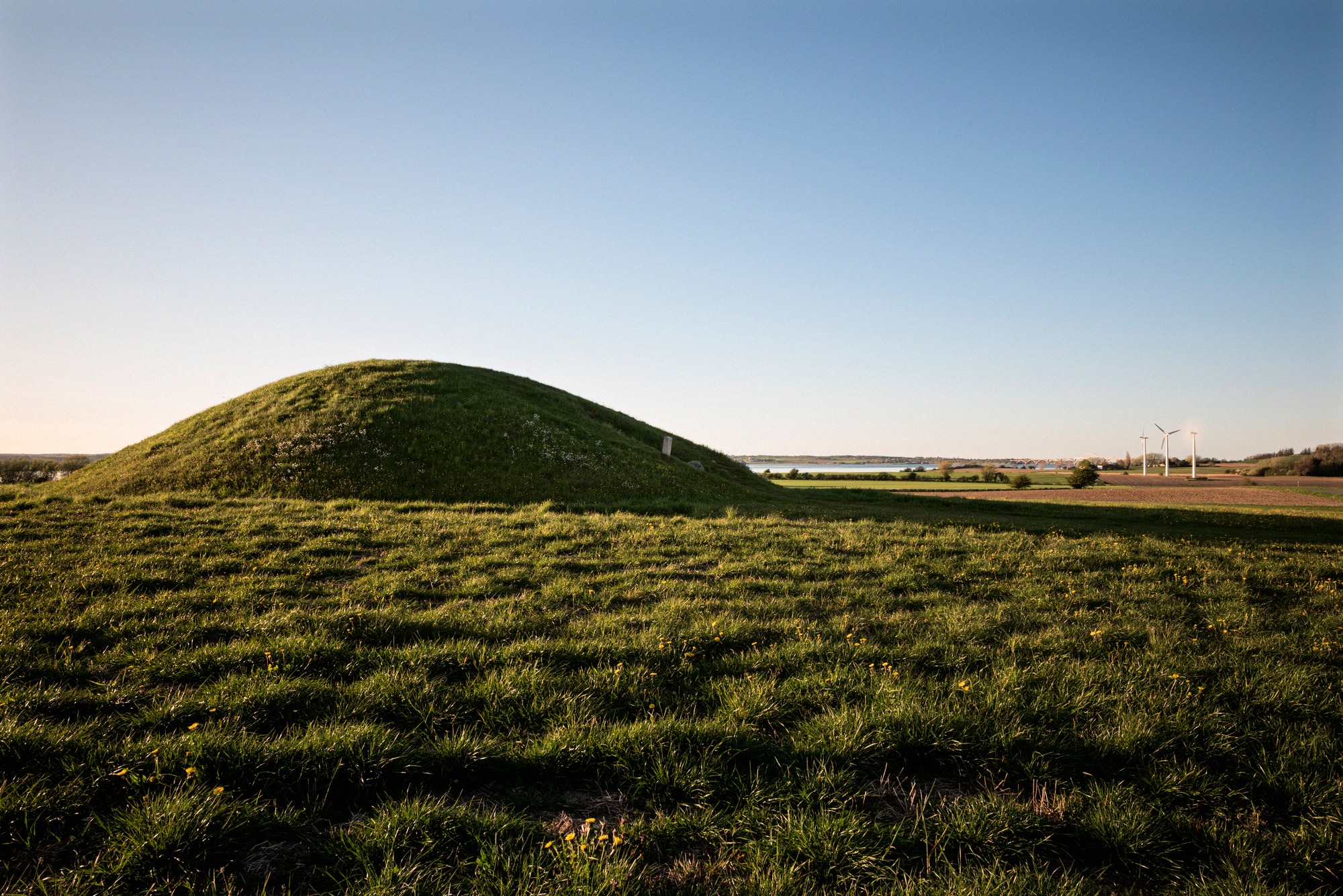
Kong Asgers Høj
Denmark's largest walk-in passage grave sits in western Møn, a 5,200-year-old Stone Age burial chamber you can crawl into, free of charge.
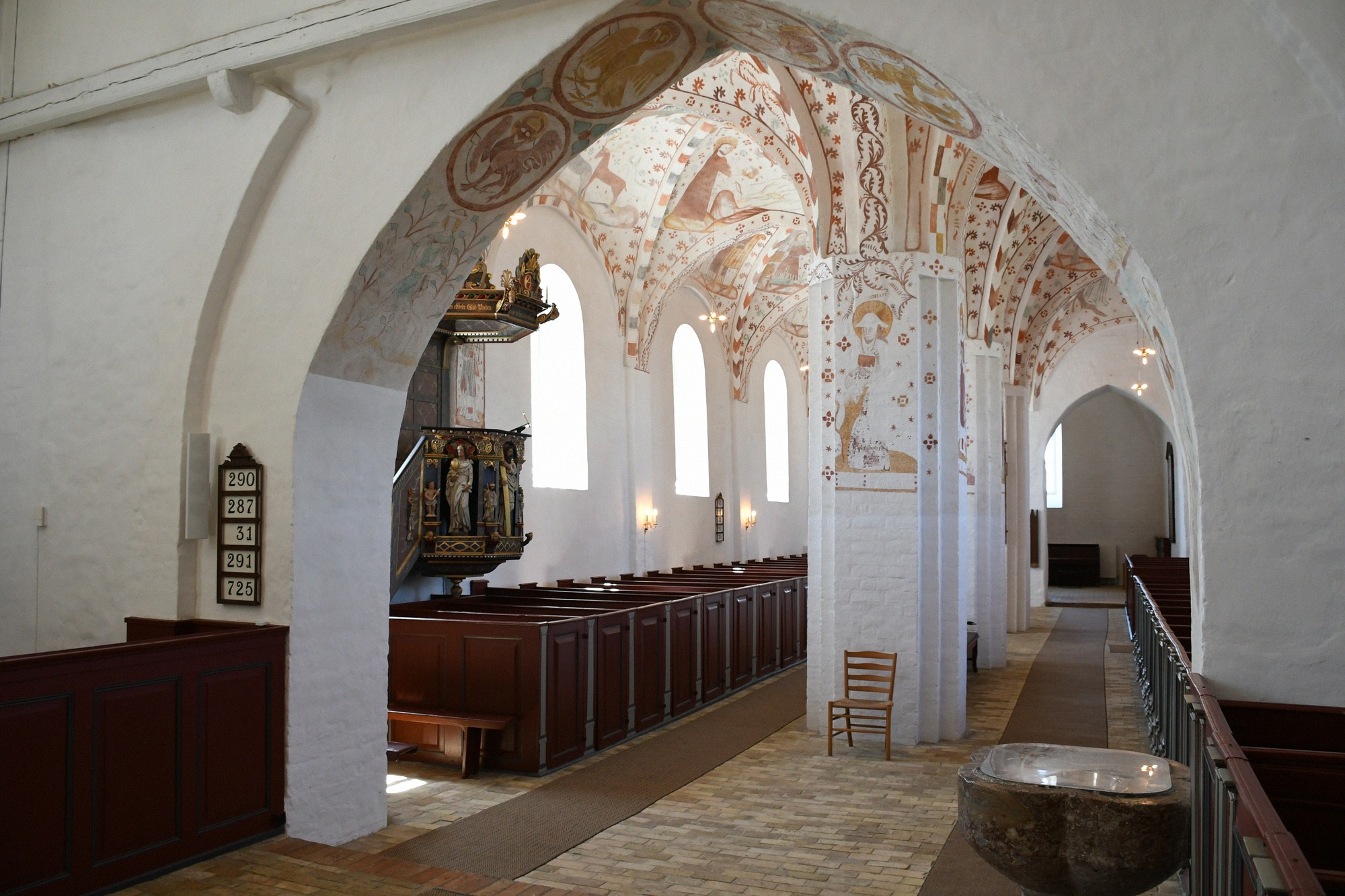
Fanefjord Kirke
Standing alone above the Fanefjord, this church holds the finest vaulted frescoes by the Elmelunde Master, next door lies the 102-metre Grønsalen passage grave.
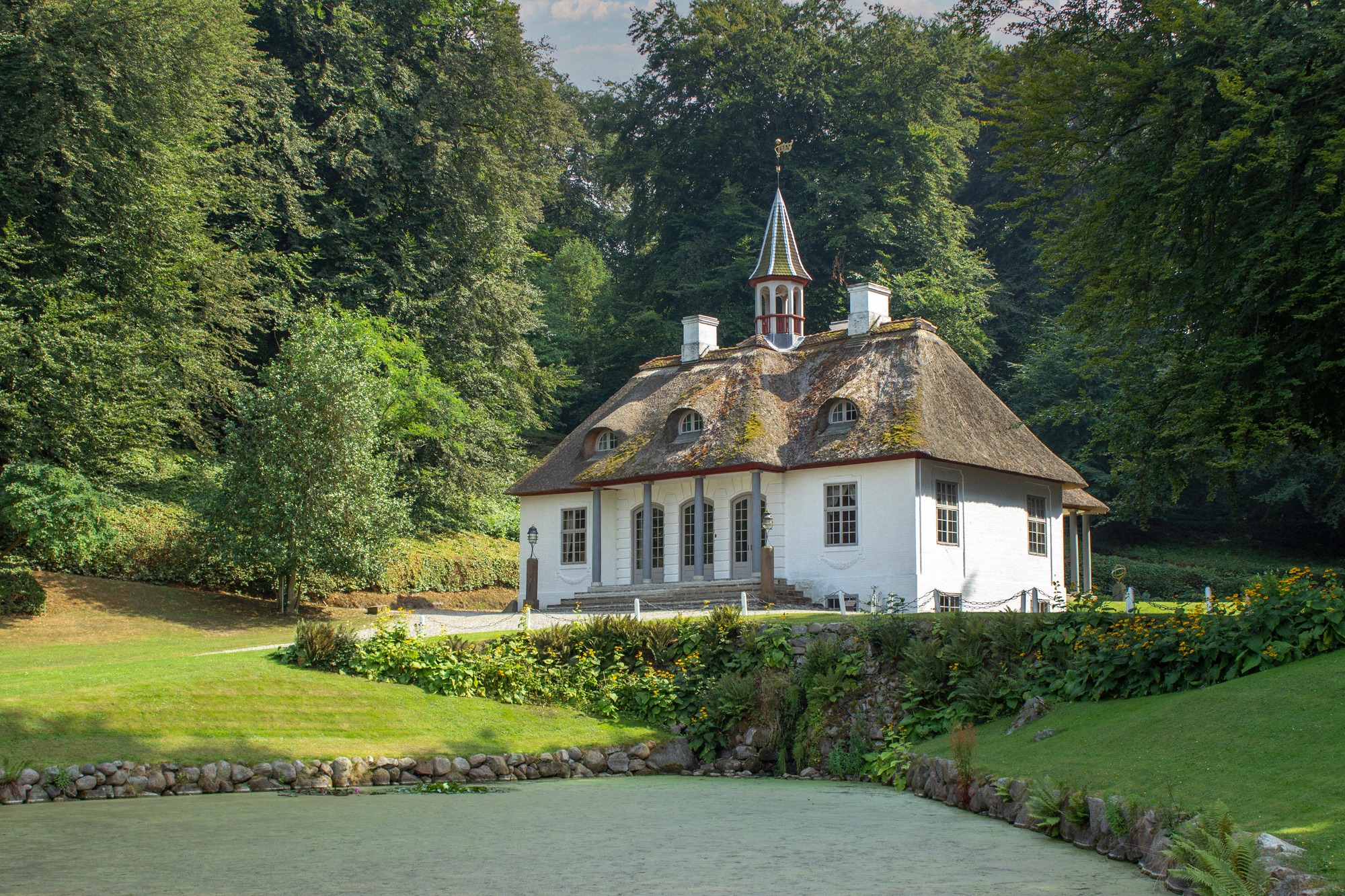
Liselund Castle
The thatched Liselund pleasure palace (Danish, Lystslottet), built in 1792, is said to be Denmark's smallest castle; its landscape park by the Møns Klint forest is open free of charge year-round.