
Fanefjord Kirke
Fresco church above the fjord in western Møn
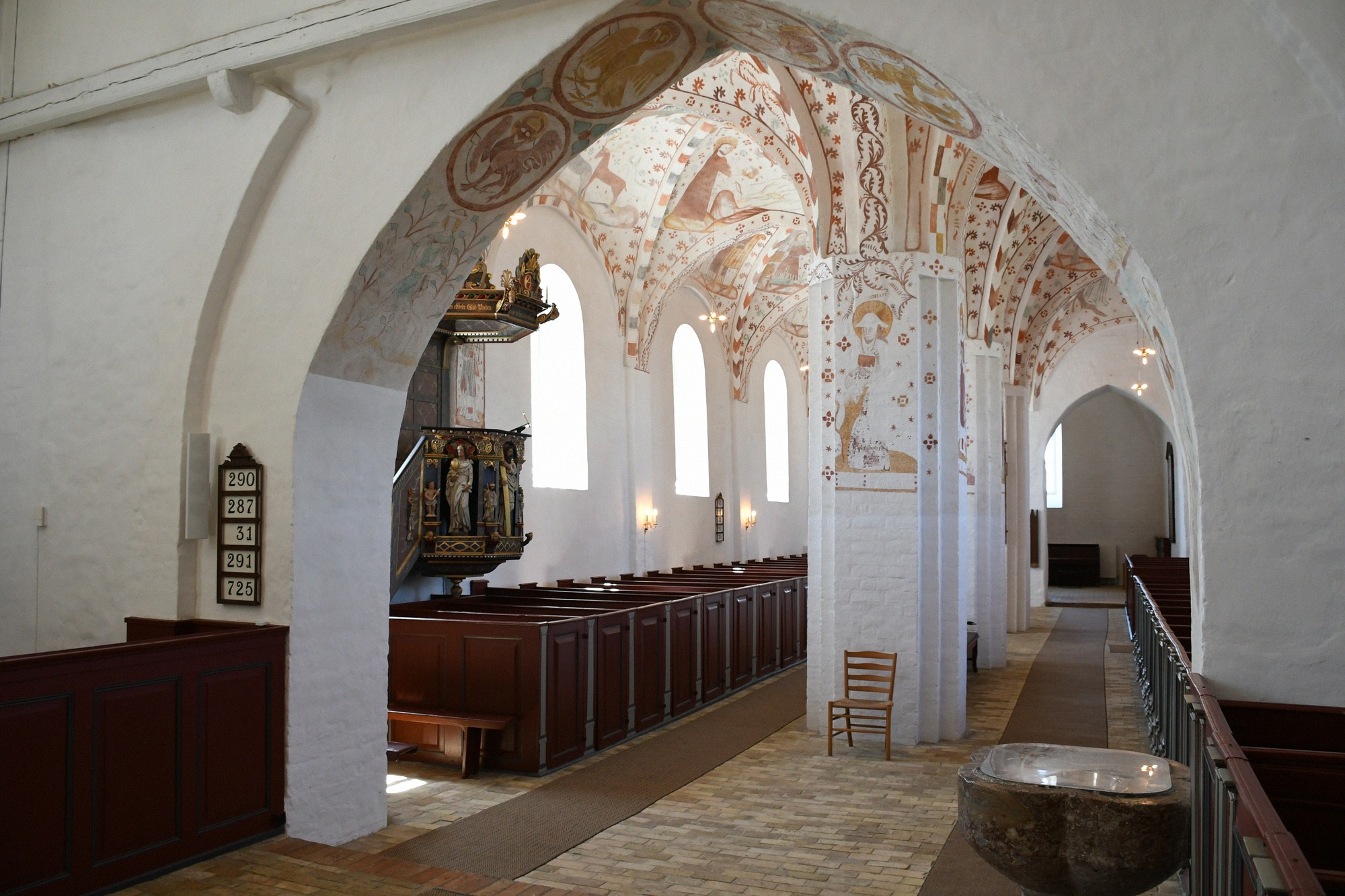
Standing alone above the Fanefjord, this church holds the finest vaulted frescoes by the Elmelunde Master, next door lies the 102-metre Grønsalen passage grave.
Contents
A church above the fjord
In the sparsely populated southwest of Møn, Fanefjord Kirke stands visible for miles on a rise above the fjord that shares its name. The setting is part of its appeal: open fields, still water and hardly any buildings around it. The nave dates from the second half of the 13th century, the cross-vaults were added around 1300, the porch and tower around 1500, and the choir not until around 1660. Like the island's other churches, it long served sailors as a landmark.

The Elmelunde Master's masterpiece
The vaulted frescoes of Møn's three fresco churches, Elmelunde, Keldby and Fanefjord, were painted around 1500 by the same unnamed artist, known simply as the Elmelunde Master after his work. The oldest paintings on the chancel arch date back as far as 1350. The three sets of decoration resemble one another, yet Fanefjord is widely held to be the finest of the three.
The Elmelunde Master's style is marked by warm colours, dark red, rust brown, yellow, green, grey and black, and figures with blank, almost drowsy faces, their heads often turned to the side while the bodies face forward. At Fanefjord, a dense weave of vines, foliage and biblical scenes covers the vaults, giving the ceiling an almost tapestry-like effect. For more on the style and the order to visit the churches in, see the overview of Møn's fresco churches.

Buried and rediscovered
As in many Danish churches, the paintings were whitewashed over after the Reformation. It was not until 1932-1934 that the National Museum uncovered the frescoes again; a thorough restoration was completed in 2009. Today they rank among the most significant examples of medieval wall painting in northern Europe and remain in stable condition.
Grønsalen, a passage grave next door
A few hundred metres south of the church lies Grønsalen, also known as Grønjægers Høj, one of Denmark's largest passage graves. The Neolithic mound is 102 metres long and 10 metres wide, lined with more than 120 kerbstones and containing three burial chambers, dated to around 3500 BC. It is a reminder that Møn was already settled some 5,000 years ago, the island holds dozens of surviving megalithic graves, including the walk-in Kong Asgers Høj in the same western part of the island. The grave is a protected ancient monument on open ground and freely accessible on foot.
Visiting and practical tips
The church on Fanefjord Kirkevej is open daily, year-round, from 08:00 to 18:00, and admission is free; a donation in Danish kroner is welcomed. As a consecrated space still in use, the parish asks for respectful behaviour, viewing may be restricted during services and church ceremonies, so plan your visit outside those times. For the vaulted frescoes, daylight hours work best, ideally mid-morning to midday; binoculars help pick out details high up. Half an hour is enough for an attentive look around; allow more time if you're adding Grønsalen next door. For routes around the island, see our getting-there guide.
Frequently Asked Questions
How much does it cost to visit Fanefjord Kirke? +
When is Fanefjord Kirke open? +
Is Fanefjord Kirke worth the detour? +
What is the Grønsalen passage grave beside the church? +
Nearby
Kong Asgers Høj
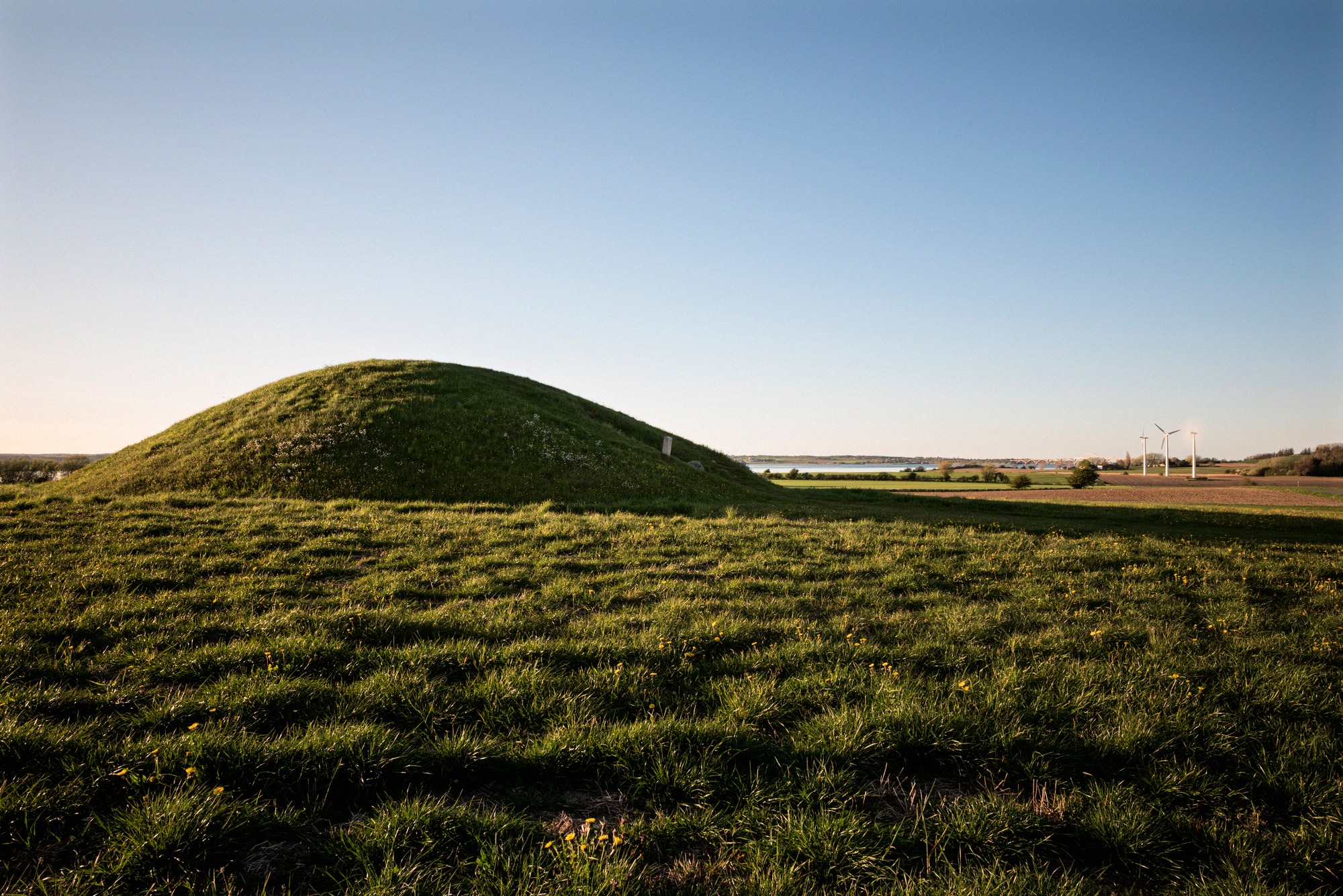
Denmark's largest walk-in passage grave sits in western Møn, a 5,200-year-old Stone Age burial chamber you can crawl into, free of charge.
Mølleporten
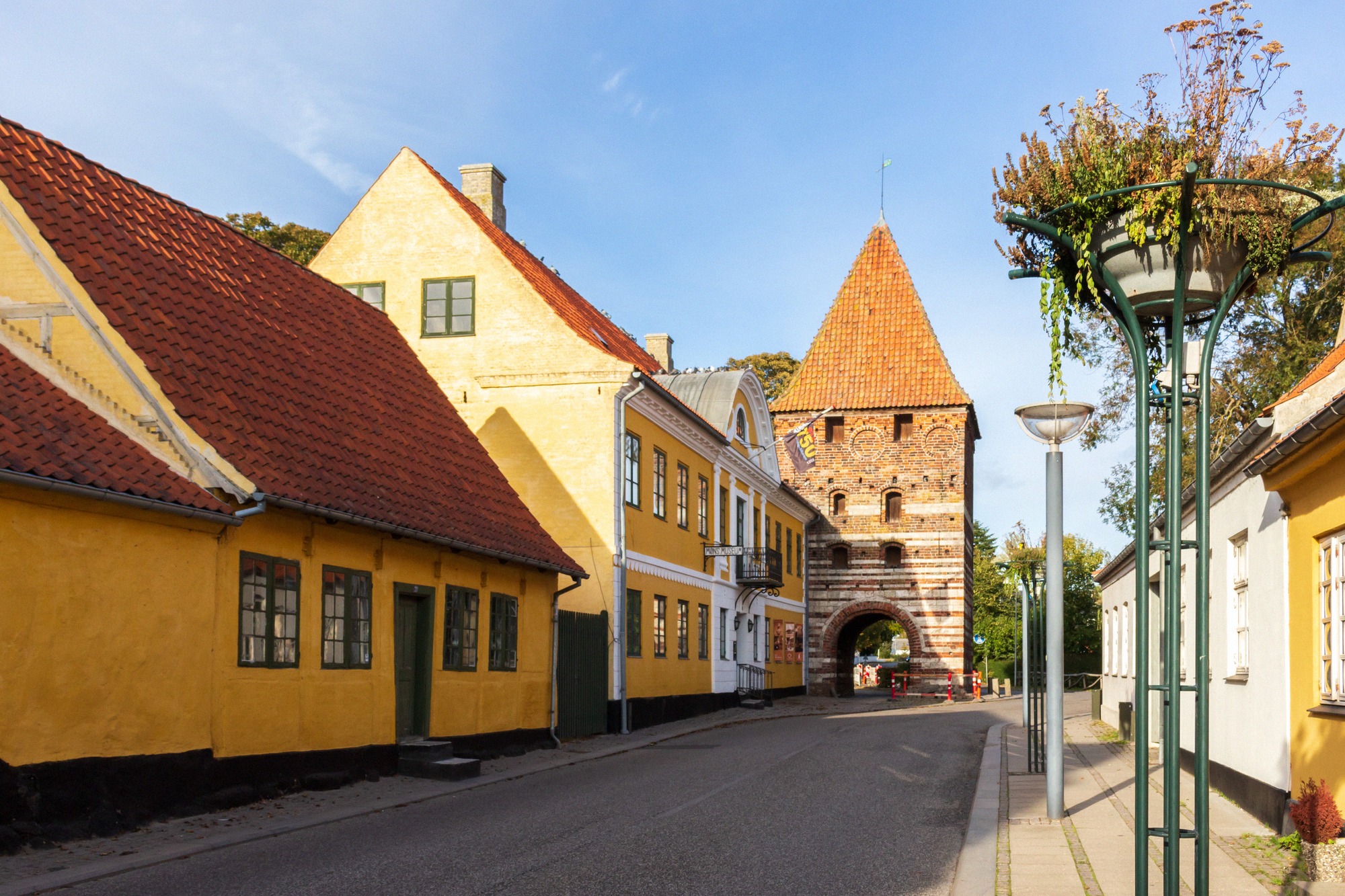
Mølleporten in Stege is one of only two surviving medieval town gates in Denmark, and since its restoration you can now go inside.
Ulvshale
Nature national park in northern Møn with ancient woodland, a flat sandy beach, salt marshes and free-roaming Exmoor ponies, the gateway to bird island Nyord.
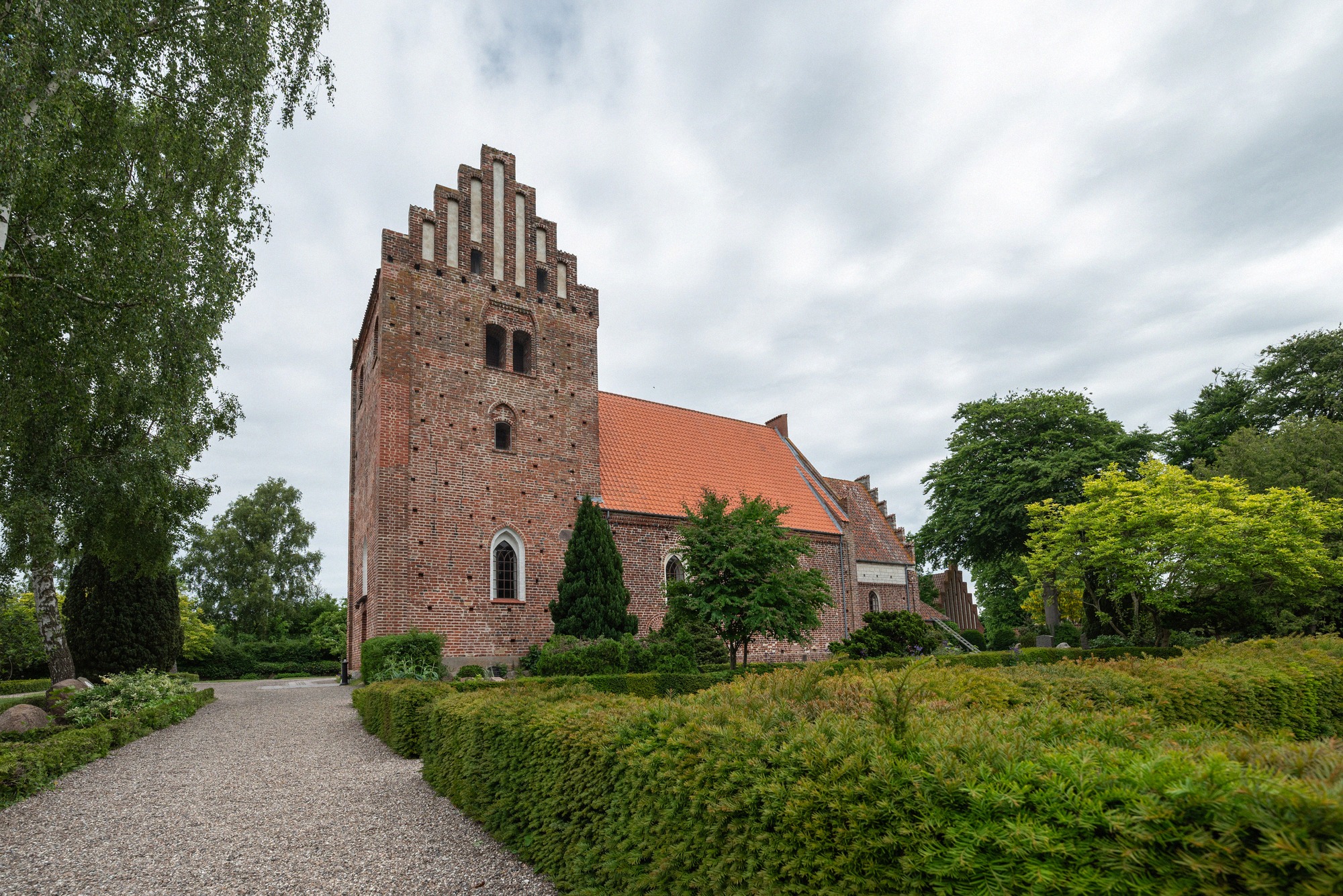
Keldby Kirke
East of Stege, Keldby Kirke holds one of Møn's richest fresco programmes, wall paintings from the 13th to 16th century, including work by the Elmelunde Master.
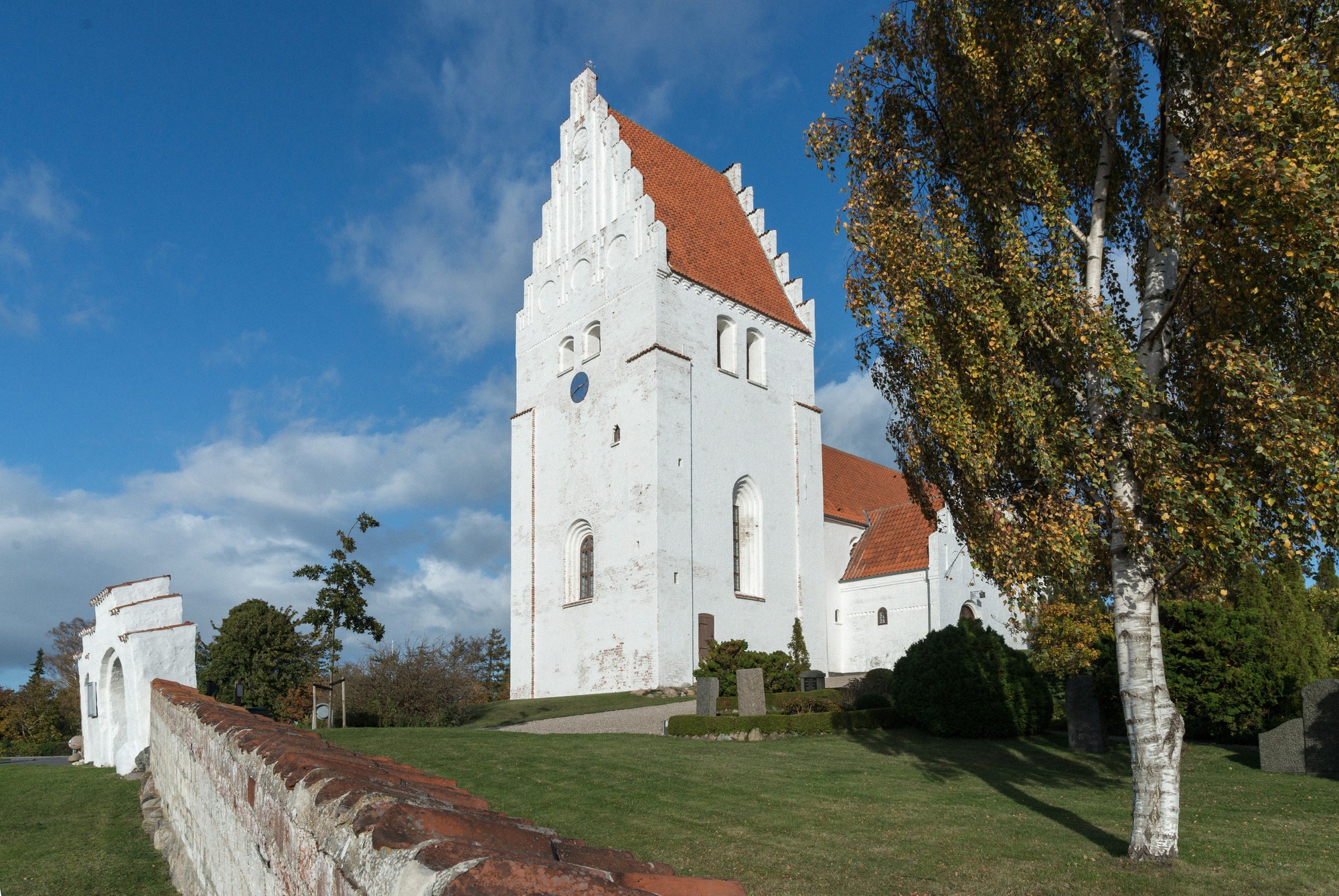
Elmelunde Kirke
Elmelunde Kirke is the oldest church on Møn and gave the Elmelunde Master his name, its vaults are covered edge to edge with frescoes from around 1500.
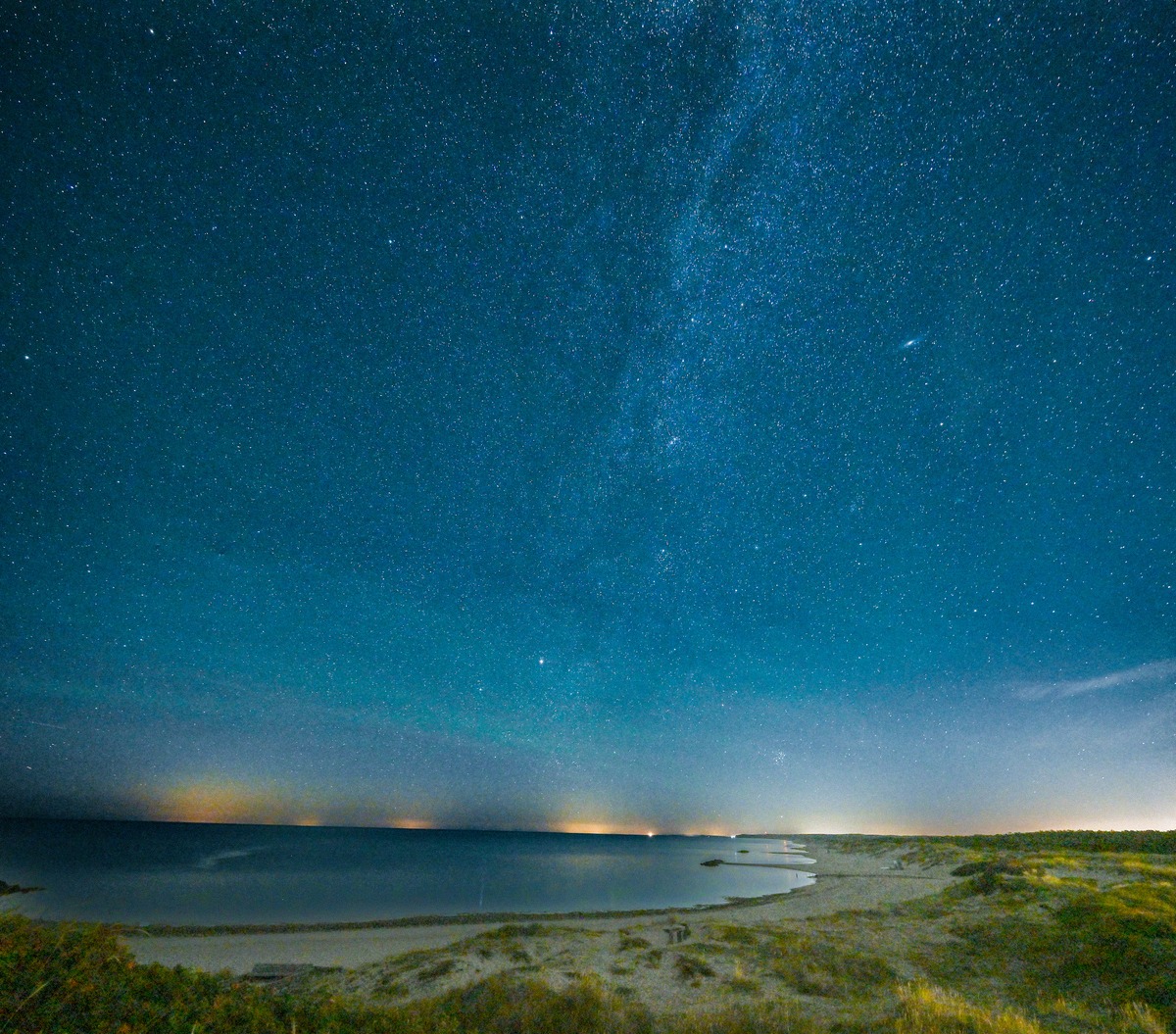
Dark Sky Park Møn
Dark Sky Møn is Scandinavia's first Dark Sky Park (Gold Tier), covering Møn and Nyord. Over 5,000 stars, the Milky Way and Andromeda, visible to the naked eye.