
Keldby Kirke
Frescoes from four eras
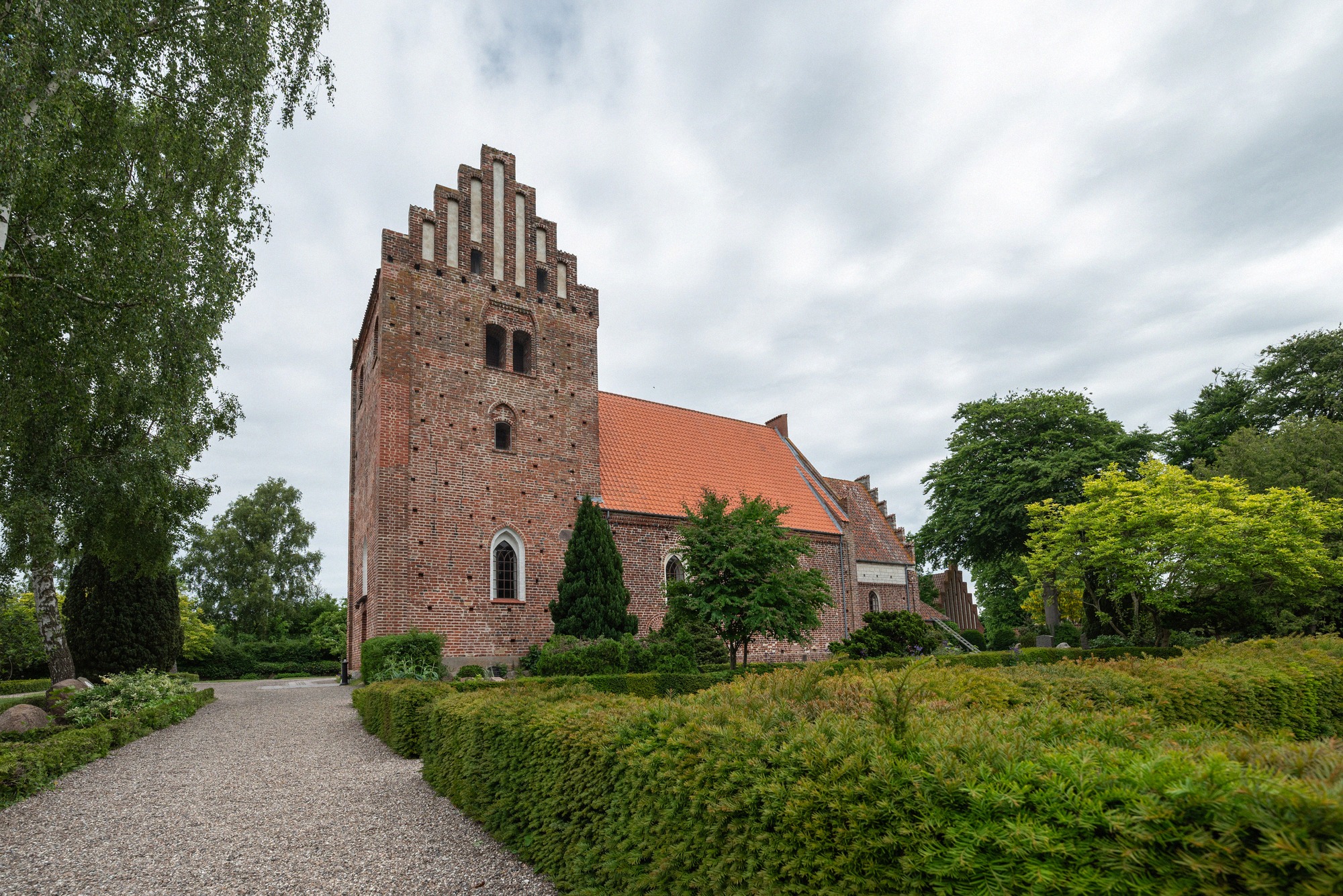
East of Stege, Keldby Kirke holds one of Møn's most extensive fresco programmes, wall paintings from the 13th to the 16th century, including work by the Elmelunde Master.
Contents
Møn's most fresco-rich church
Keldby Kirke stands about four kilometres east of Stege on the main road towards Møns Klint and, together with Elmelunde and Fanefjord, forms Møn's celebrated trio of fresco churches. Of the three, Keldby has the most extensive picture programme: its walls and vaults were painted over several centuries, so the styles and visual language of different eras sit side by side for close study. That makes it one of the most fresco-rich churches in Denmark.
Frescoes from four eras
Unlike Elmelunde, where the paintings come almost entirely from a single period, Keldby's decoration built up in four layers. The oldest work, in the chancel, dates from around 1275. Around 1325, a large Last Judgement followed on the chancel arch and north wall. The vaults were then painted around 1480 by the Elmelunde Master, the unidentified artist who also shaped the neighbouring churches. A further chancel image was added around 1600. Look closely and you can see how colour, figure style and storytelling shift from one era to the next.
What to expect
The interior is modest in size, but the richness across ceiling and walls is remarkable. Alongside the large biblical scenes are everyday details many visitors particularly enjoy - such as Joseph cooking porridge at the hearth, an unusually domestic image for medieval art. Binoculars help pick out detail high in the vaults, and a short explanatory leaflet is often available on site. The frescoes are best seen in good daylight, ideally on a bright morning or around midday, when daylight illuminates the vaults. Half an hour is enough for an attentive look around; with leaflet and binoculars, allow closer to 45 minutes.
The trio of fresco churches
The three churches of Elmelunde, Keldby and Fanefjord make up the famous trio decorated by the Elmelunde Master. They lie along the old main road running across the island and are easy to combine in half a day: Elmelunde sits around four kilometres further east, while Fanefjord is set well apart in the southwest of Møn. The island's tourism board recommends starting in the east at Elmelunde, continuing via Keldby, and finishing at Fanefjord. Background and suggested order are gathered in our overview of Møn's fresco churches.
Visiting and practical information
The church stands at Præstegårdsstræde 6 in the village of Keldby, 4780 Stege, and belongs to the Keldby-Elmelunde parish in the Diocese of Roskilde. Thanks to automatic door entry, it's open daily from 09:00 to 20:00, and admission is free; a voluntary donation is welcome. As a consecrated and working space, the parish asks visitors to be respectful, viewing may be restricted during services and church events, with dates listed in the parish calendar. Keldby is easily reached by car, and there is usually parking right by the church on Præstegårdsstræde. For tips on getting to and travelling around the island, see our travel guide.
Frequently Asked Questions
How much does it cost to visit Keldby Kirke? +
When is Keldby Kirke open? +
How old are the frescoes in Keldby Kirke? +
How do I get to Keldby Kirke? +
Nearby
Mølleporten
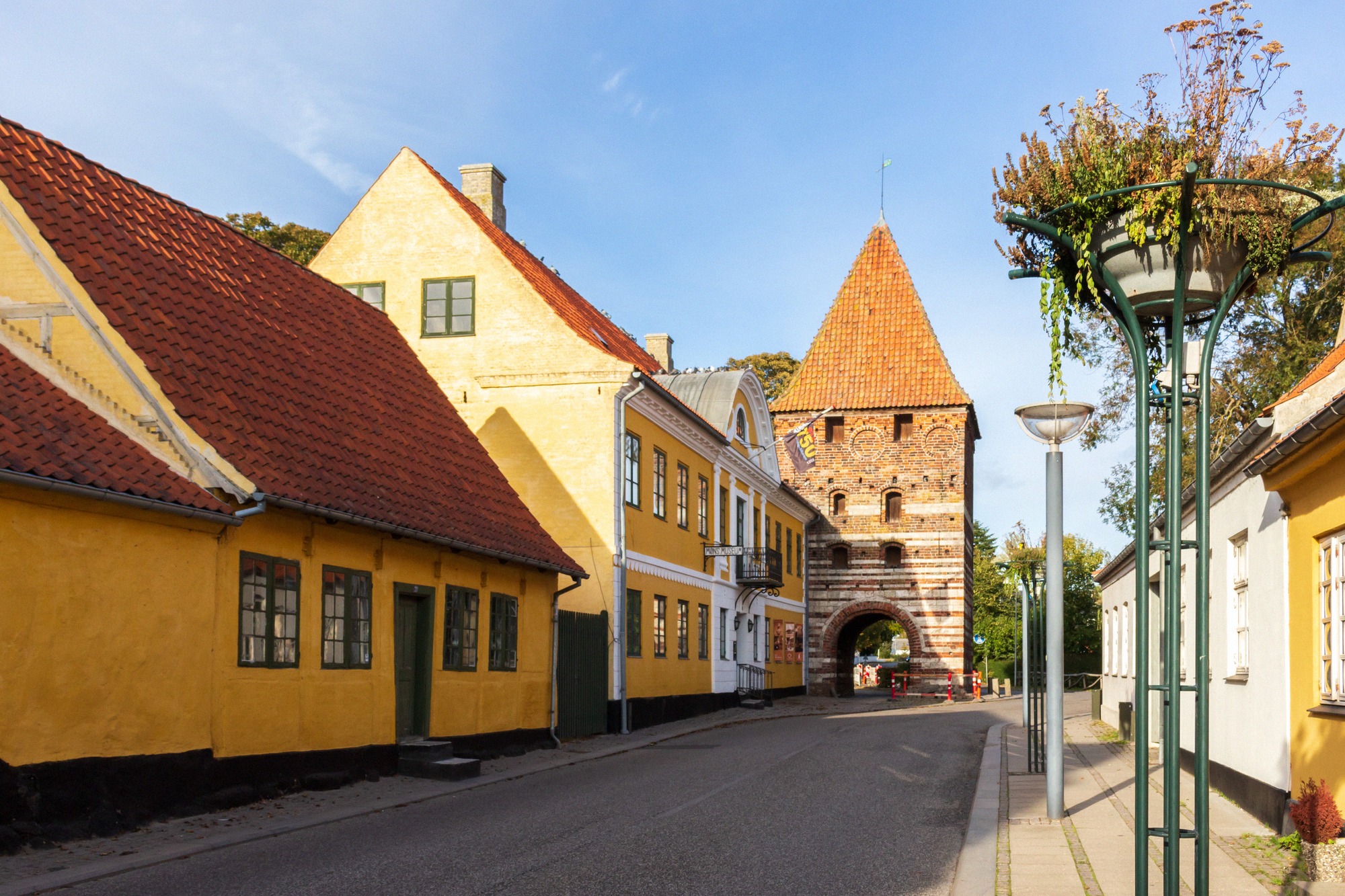
Mølleporten in Stege is one of only two surviving medieval town gates in Denmark, and since its restoration you can now go inside.
Elmelunde Kirke
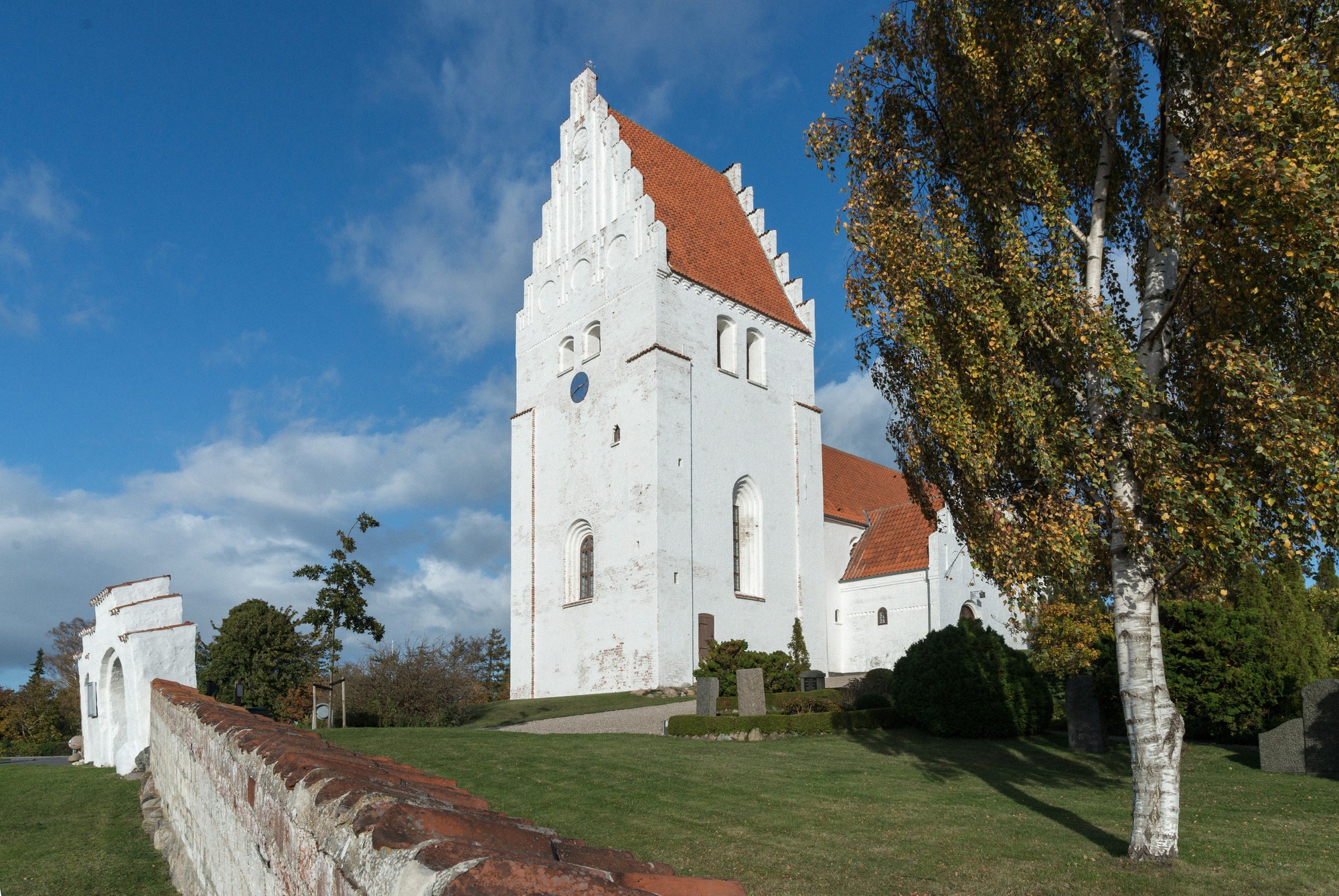
Elmelunde Kirke is the oldest church on Møn and gave the Elmelunde Master his name, its vaults are covered edge to edge with frescoes from around 1500.
Ulvshale
Nature national park in northern Møn with ancient woodland, a flat sandy beach, salt marshes and free-roaming Exmoor ponies, the gateway to bird island Nyord.
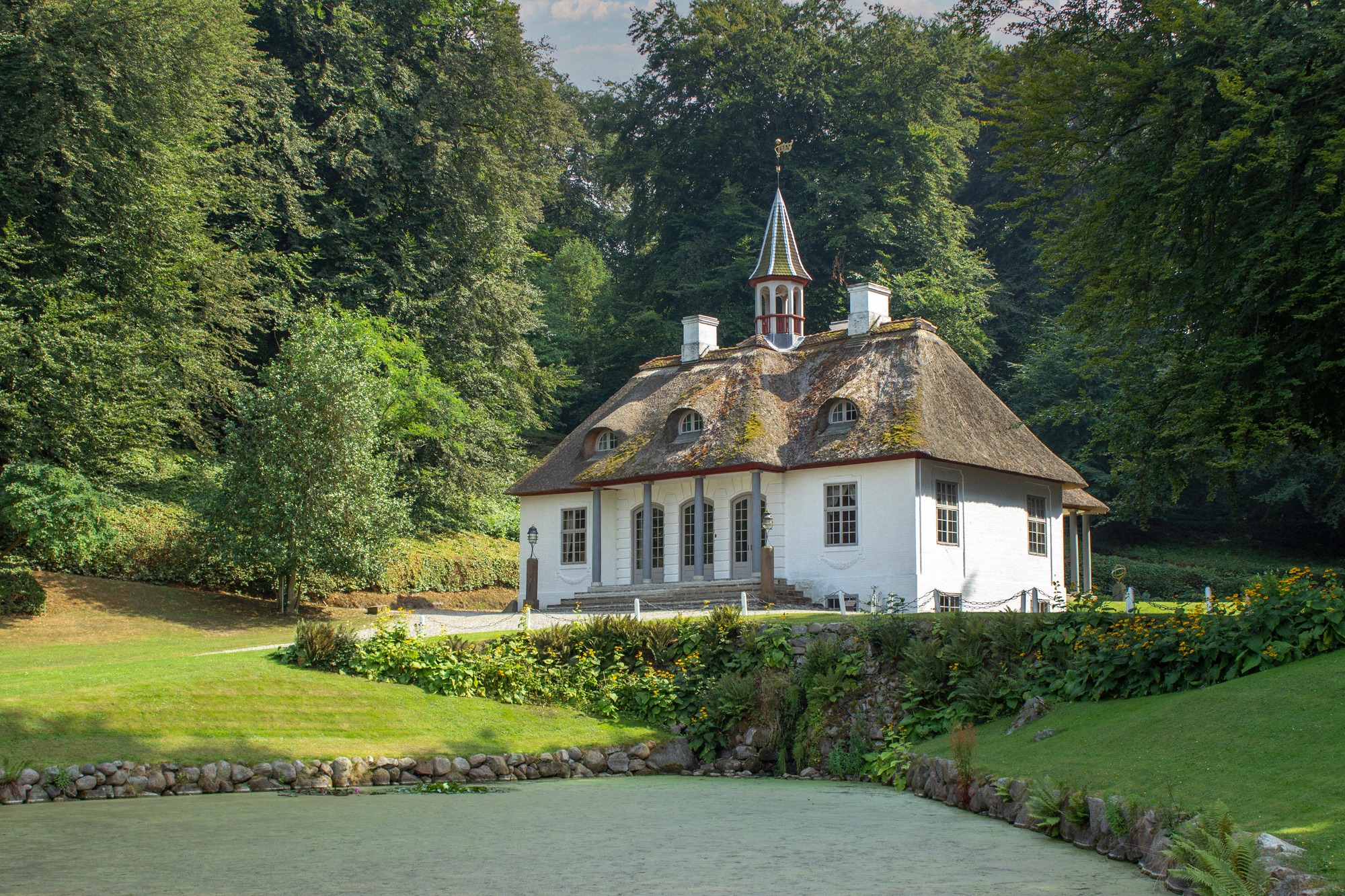
Liselund Castle
The thatched Liselund pleasure palace (Danish, Lystslottet), built in 1792, is said to be Denmark's smallest castle; its landscape park by the Møns Klint forest is open free of charge year-round.
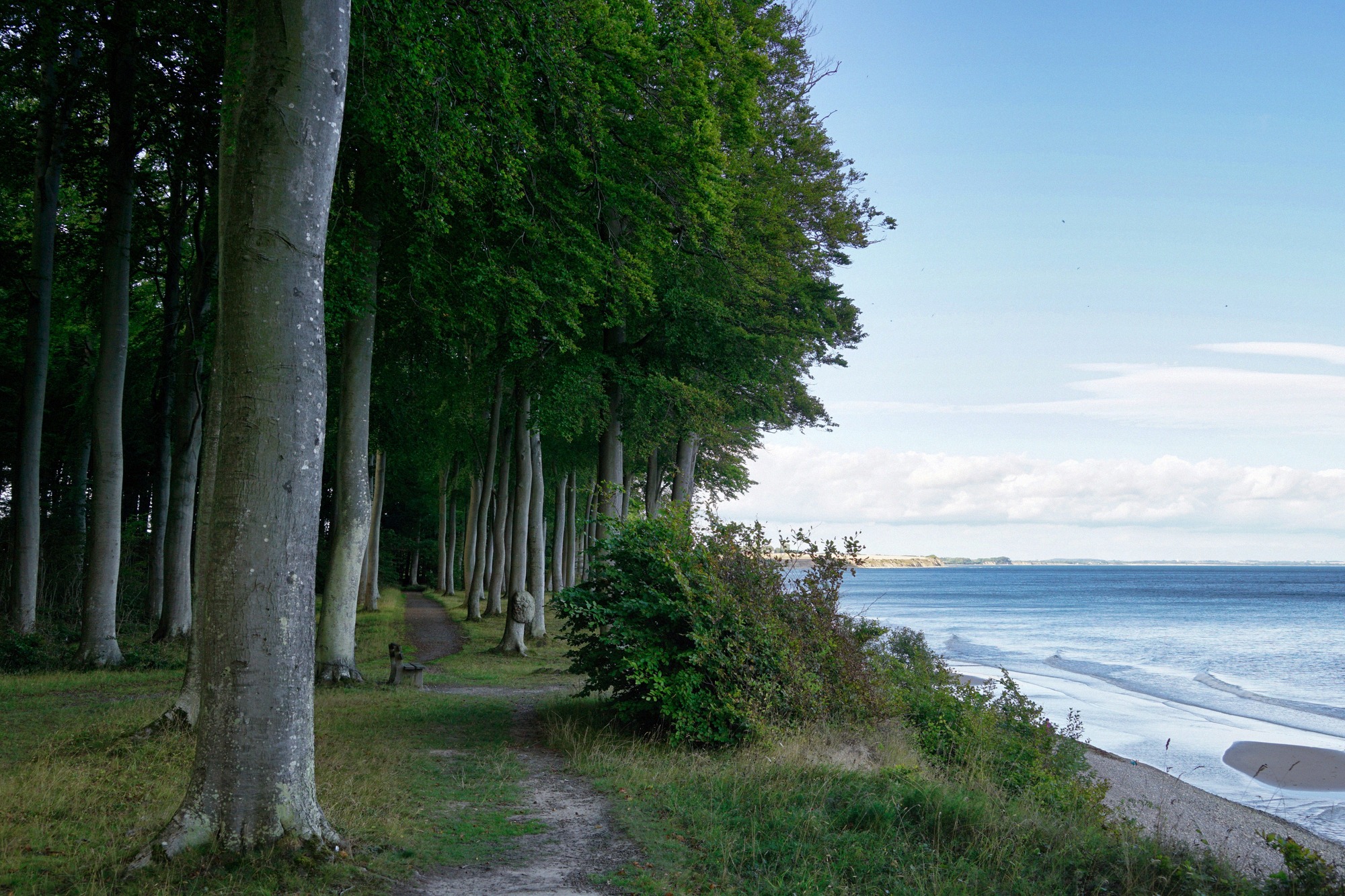
Høje Møn
Behind the chalk cliffs lies Høje Møn, with Denmark's oldest beeches, lime-rich orchid meadows and seven marked trails inside a Dark Sky Park.
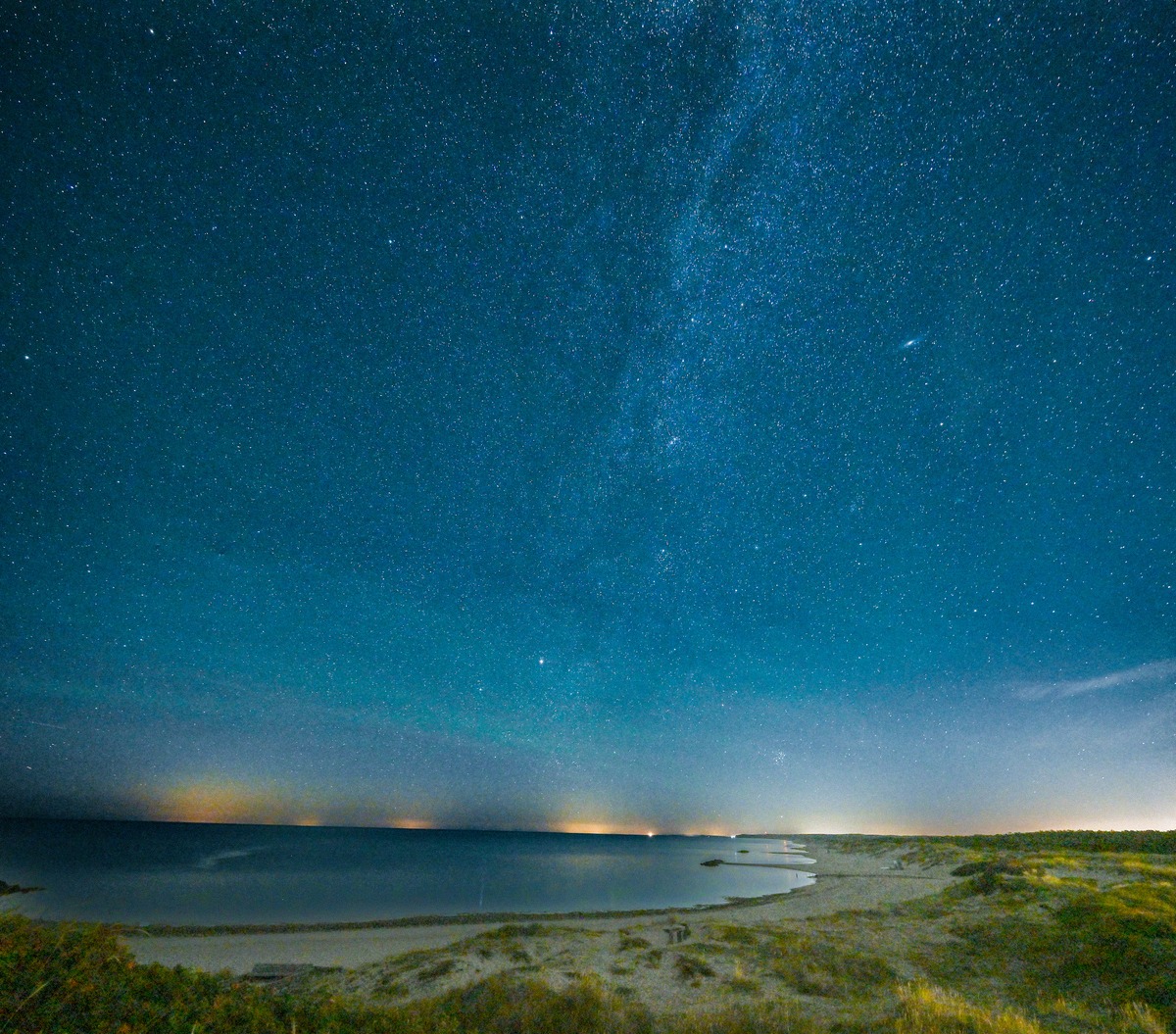
Dark Sky Park Møn
Dark Sky Møn is Scandinavia's first Dark Sky Park (Gold Tier), covering Møn and Nyord. Over 5,000 stars, the Milky Way and Andromeda, visible to the naked eye.