
Møns Klint
White chalk cliffs with a fossil beach
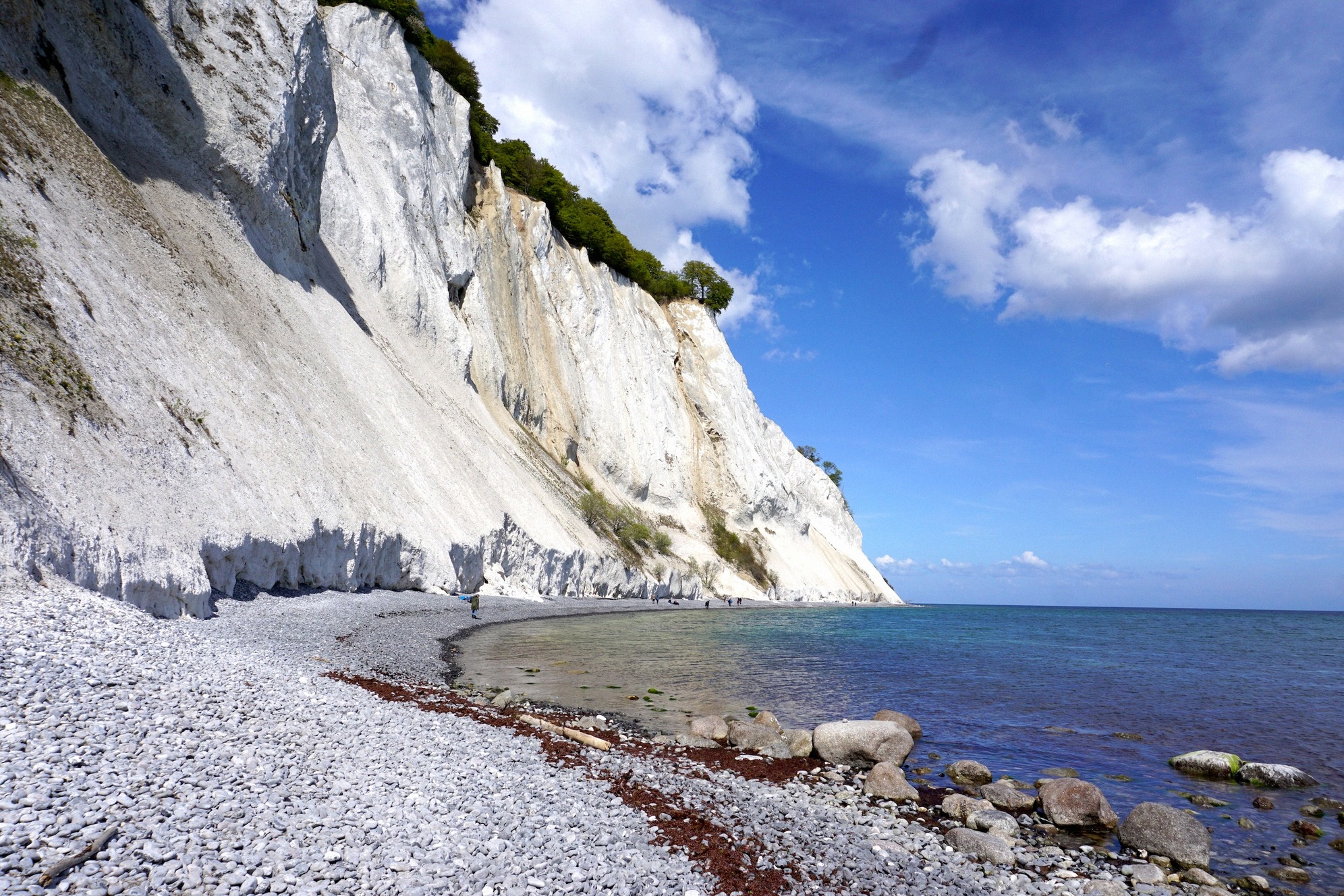
Møns Klint rises up to 128 metres above the Baltic Sea, chalk cliffs over 70 million years old, with the 497-step Maglevandstrappen down to a fossil beach.
Contents
The landmark of Møn
Møns Klint is the island's most spectacular natural landscape and one of the best known in Denmark. The brilliant white chalk cliffs run for almost seven kilometres along the east coast, rising at their highest point - Dronningestolen ("the Queen's Chair"), up to 128 metres above the Baltic Sea. The chalk formed over 70 million years ago from the shells of tiny marine organisms (coccolithophores); it was the ice-age glaciers that later pushed the layers upward and folded them into today's steep cliff face. Right behind the cliff edge begins the ancient beech forest of Høje Møn, cliff and forest belong together as one landscape.
Down to the water: 497 steps
From the plateau, the Maglevandstrappen leads down to the beach in 497 steps, according to the GeoCenter and the Danish Nature Agency, the longest staircase in Denmark. A second staircase, the Grårygtrappen, has 468 steps. Going down takes 10-15 minutes depending on your pace; the climb back up is considerably harder, so allow enough time and fitness. At the bottom you'll find a beach of flint and chalk shingle with views of the sheer white walls. Sturdy footwear is essential, as the stones are often slippery. If you'd rather skip the stairs, you can still enjoy the view from the plateau at Dronningestolen, the descent isn't suitable for pushchairs or visitors with limited mobility.

Worth knowing before you plan your visit: the October 2023 storm surge tore away the lower metres of all five beach staircases. Since summer 2024, three staircases have reopened, including the rebuilt Maglevandstrappen; the Røde Udfald staircase was still under reconstruction at last check (planned for 2025-2026). Check the official website for the current status before you set off. An alternative, flatter beach access point exists about three kilometres away by the Møn Fyr lighthouse.
Fossils on the beach
The beach below the cliffs is a popular spot for fossil hunting. With a bit of luck you'll find fossilised sea urchins, belemnites ("thunderbolts") or imprints of prehistoric marine creatures, washed out of the chalk by rain and rockfall. Collecting loose finds on the beach is allowed, but chipping at the cliff face itself is dangerous and forbidden, since material breaks off unpredictably. The cliff is actively eroding: stay on the marked paths and steps, don't climb the rock face, don't get too close to the edge at the top, and avoid standing directly beneath overhanging walls at the bottom.
Is it worth visiting, and for whom?
Møns Klint is a must-see on the island; the view alone from Dronningestolen over the white cliffs and the turquoise Baltic Sea justifies the trip. If you just want the view and the beach, you don't need a ticket: the cliffs, beach and steps are free and open year-round. The adjoining GeoCenter Møns Klint, with an interactive exhibition, 3D cinema, café and activities, is worth adding if you're travelling with children, if the weather turns, or if you want to dig deeper into the geology. It's only open from Easter to the end of October, though; in winter the cliffs remain freely accessible but the museum is closed. The cliffs are at their best in early summer and autumn, early in the day, when the sun lights up the chalk and there are still few visitors around. Depending on whether you tackle the beach steps, allow two to four hours.
What to bring
- Sturdy shoes with good grip, the steps and the beach stones are often slippery.
- Weatherproof clothing; it's often windy on the coast.
- Water and a snack, especially if you're combining the visit with a walk through Høje Møn.
- A bag or small container for any fossils you find, loose beach finds may be taken home.
Getting there and visiting
The starting point is the GeoCenter Møns Klint, with a car park, café ("Coffee Møns Klint") and toilets (including an accessible toilet) open year-round from 06:00 to 22:00. From there it's only a few minutes' walk to the viewpoint at Dronningestolen. Parking costs 45 DKK, your number plate is registered on entry, and you pay by QR code or at the machine before you leave; the car park fills up quickly in high season.
By car, take the E47/E55, exit 41, to Stengårdsvej 8, 4791 Borre. Without a car, bus 678 runs directly from Stege to the GeoCenter from late March to late October; year-round, route 667 runs to Magleby, from where it's about 5.5 kilometres on foot or by bike. Bicycles are allowed on the buses. If you're building this into a longer day out, the cliffs combine well with the beech forest of Høje Møn or Liselund manor; our getting here guide covers routes, and the best time to visit guide has seasonal advice.
Frequently Asked Questions
Is there an entrance fee for Møns Klint? +
How many steps lead down to the beach? +
Is Møns Klint suitable for young children or visitors with limited mobility? +
How high are the chalk cliffs of Møns Klint? +
Are the beach staircases open again in 2026? +
How do you get to Møns Klint without a car? +
Nearby
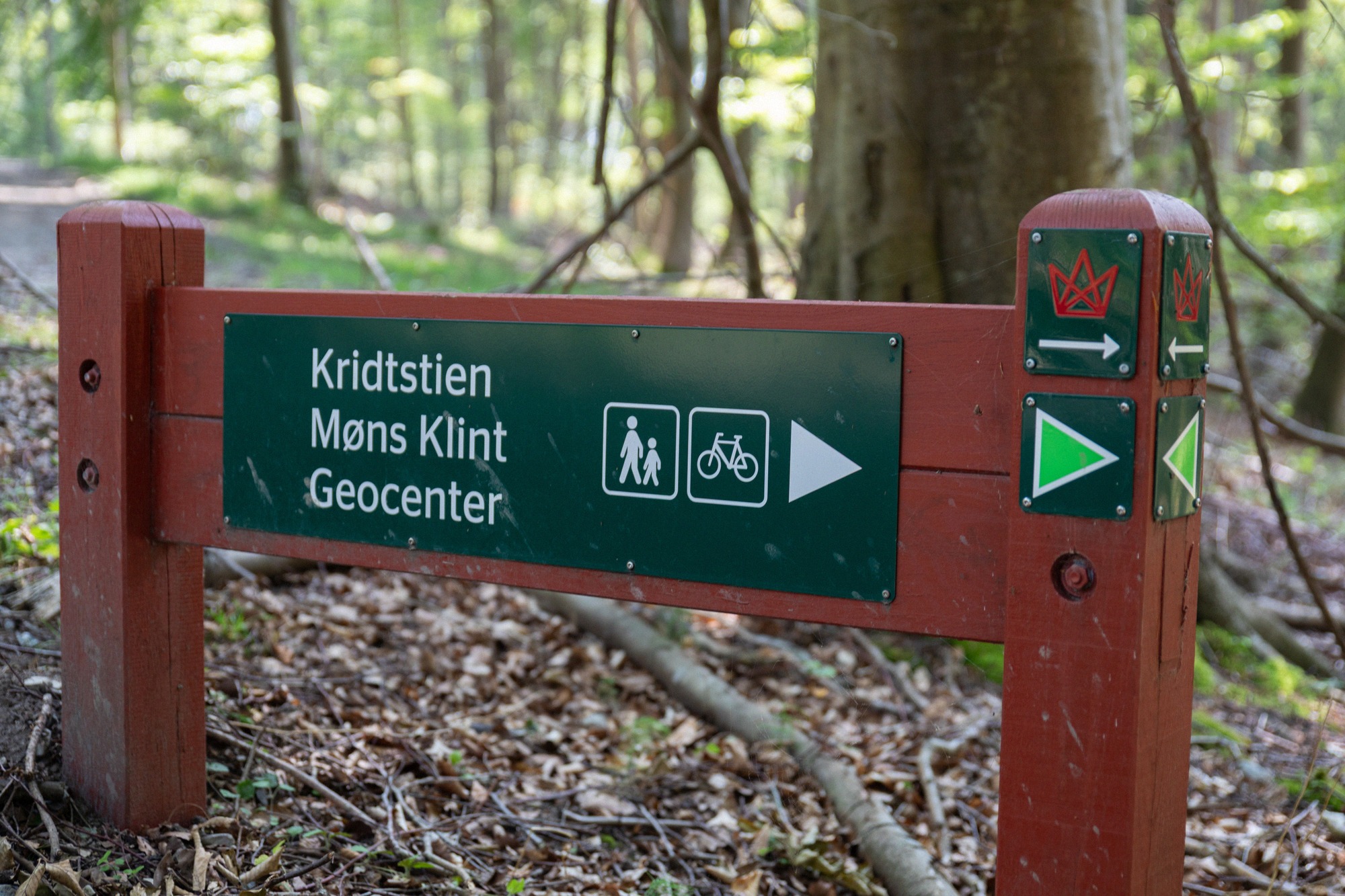
GeoCenter Møns Klint
Interactive visitor centre above Møns Klint, tracing roughly 70 million years of earth history. A weatherproof complement to the freely accessible chalk cliffs.
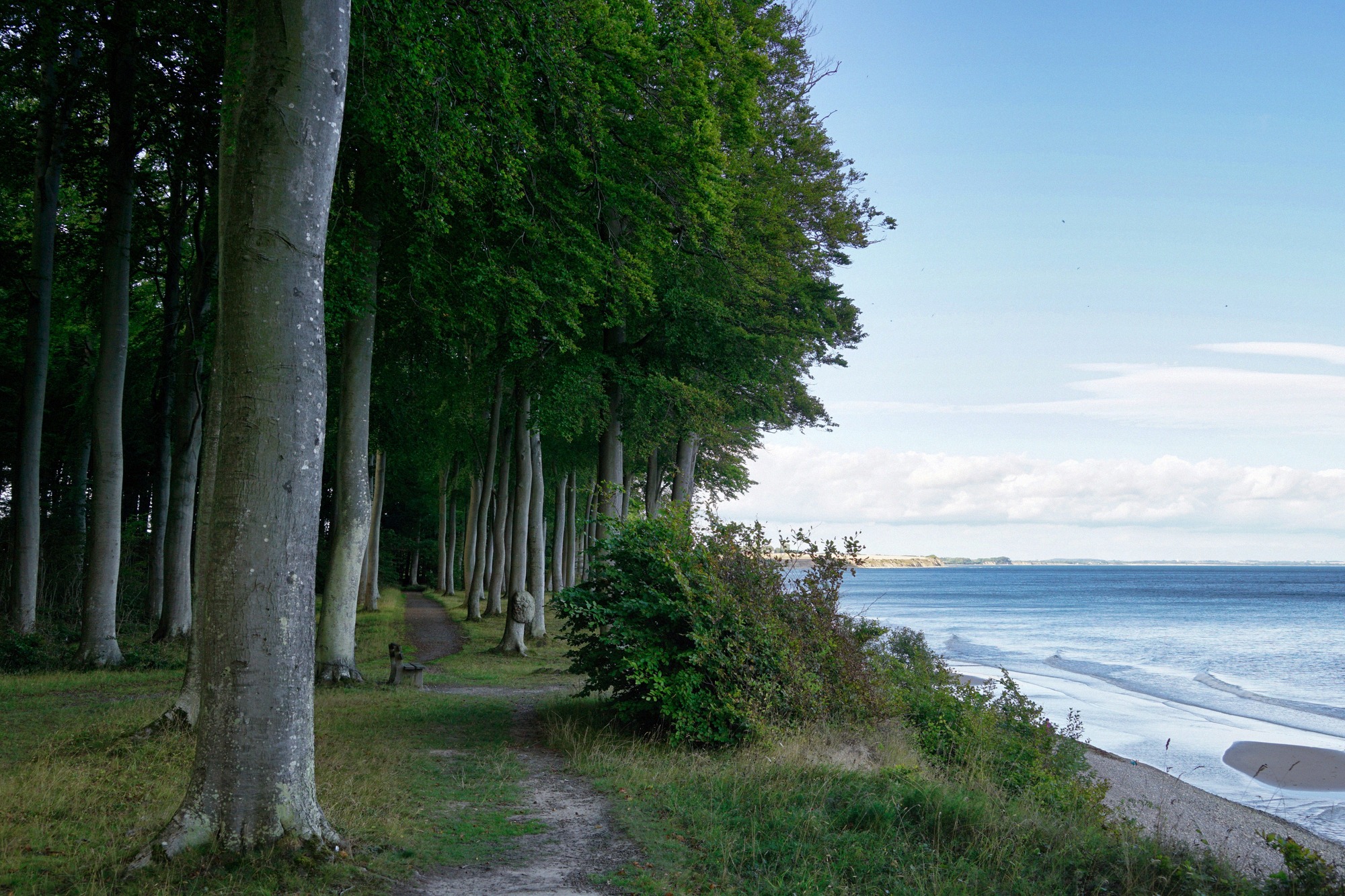
Høje Møn
Behind the chalk cliffs lies Høje Møn, with Denmark's oldest beeches, lime-rich orchid meadows and seven marked trails inside a Dark Sky Park.
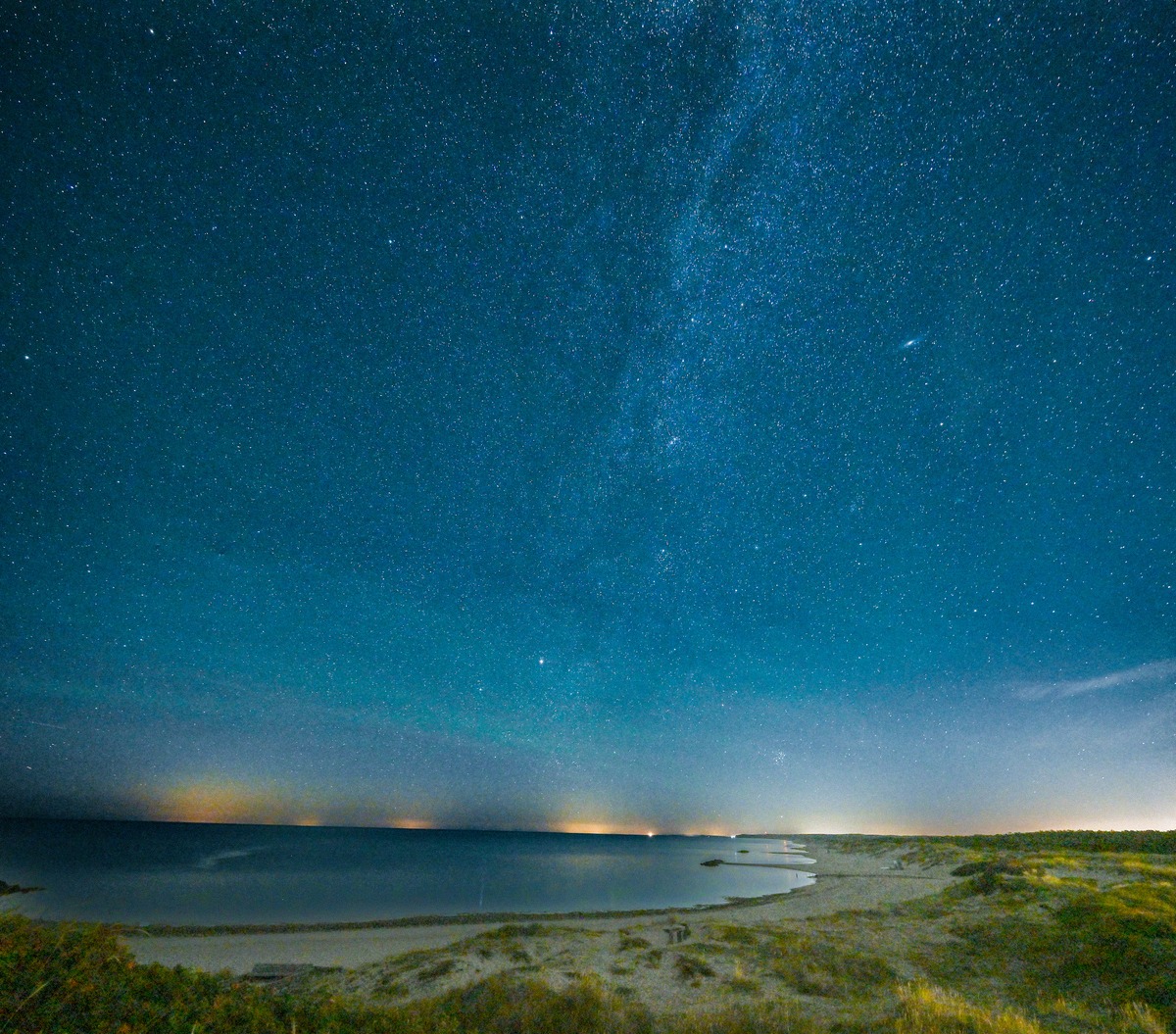
Dark Sky Park Møn
Dark Sky Møn is Scandinavia's first Dark Sky Park (Gold Tier), covering Møn and Nyord. Over 5,000 stars, the Milky Way and Andromeda, visible to the naked eye.
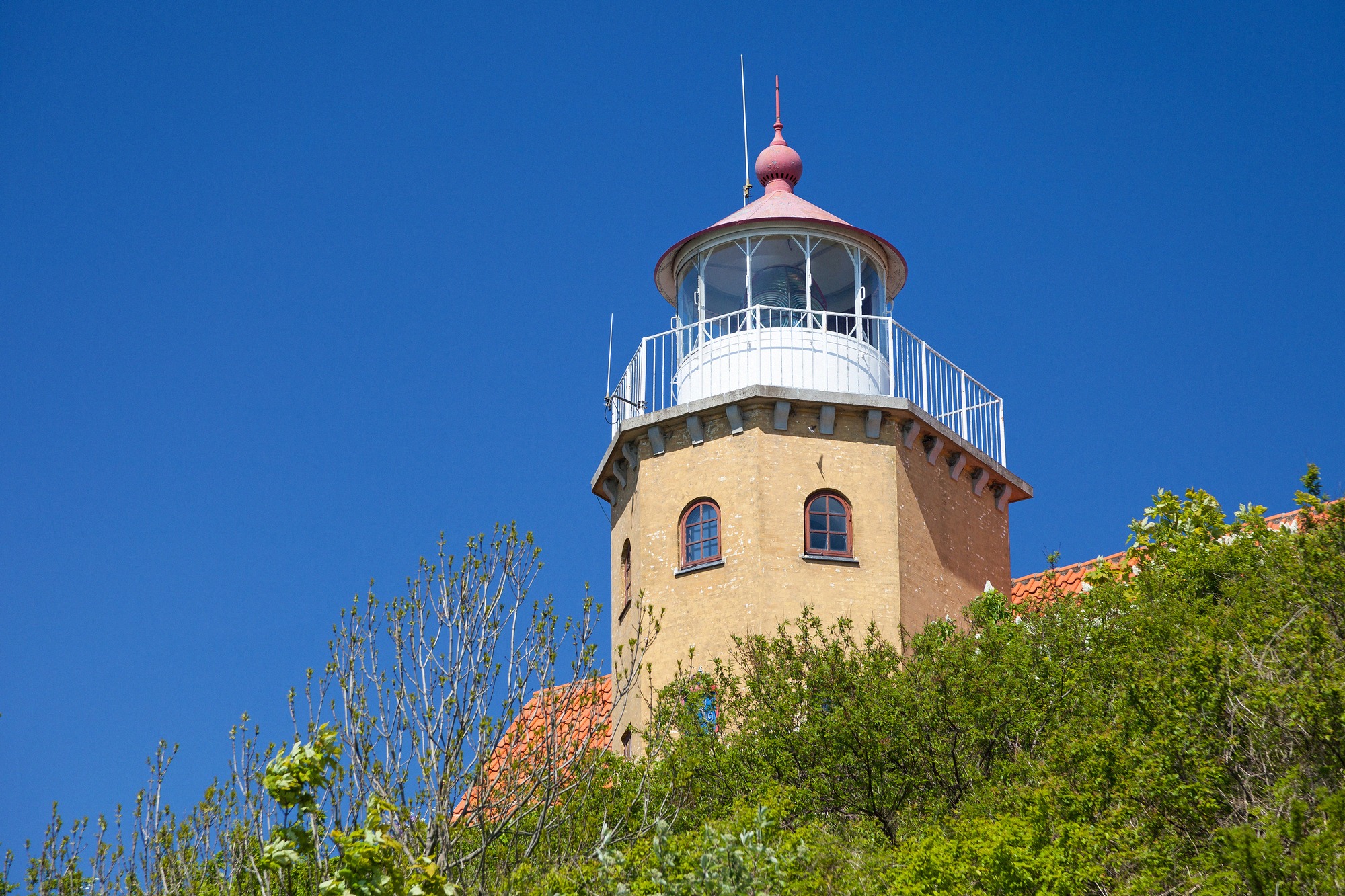
Møn Fyr
This white 1845 lighthouse marks Møn's south-eastern tip. Its light is still active, but the tower itself is closed to visitors, a quiet coastal stop.
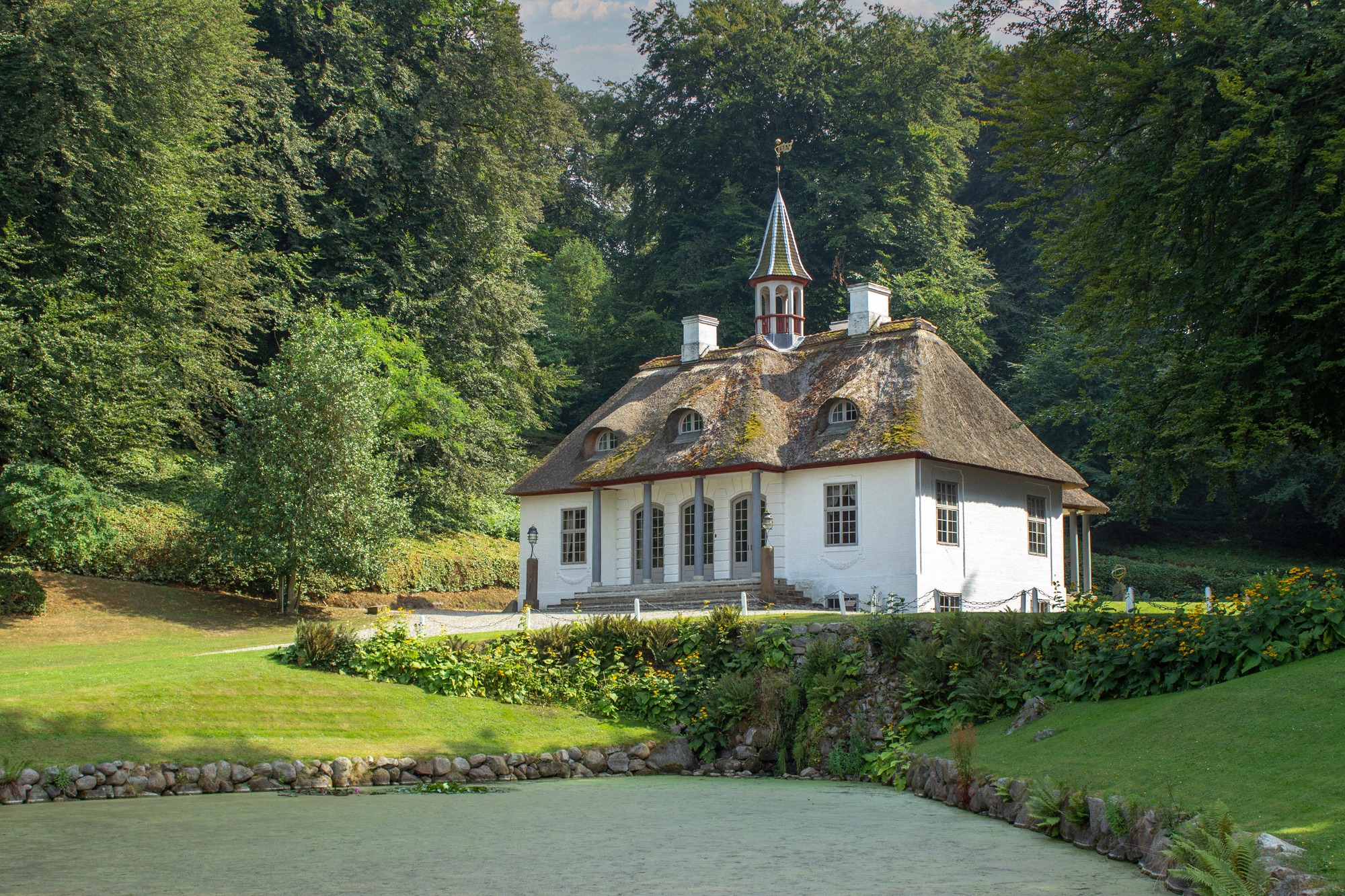
Liselund Castle
The thatched Liselund pleasure palace (Danish, Lystslottet), built in 1792, is said to be Denmark's smallest castle; its landscape park by the Møns Klint forest is open free of charge year-round.
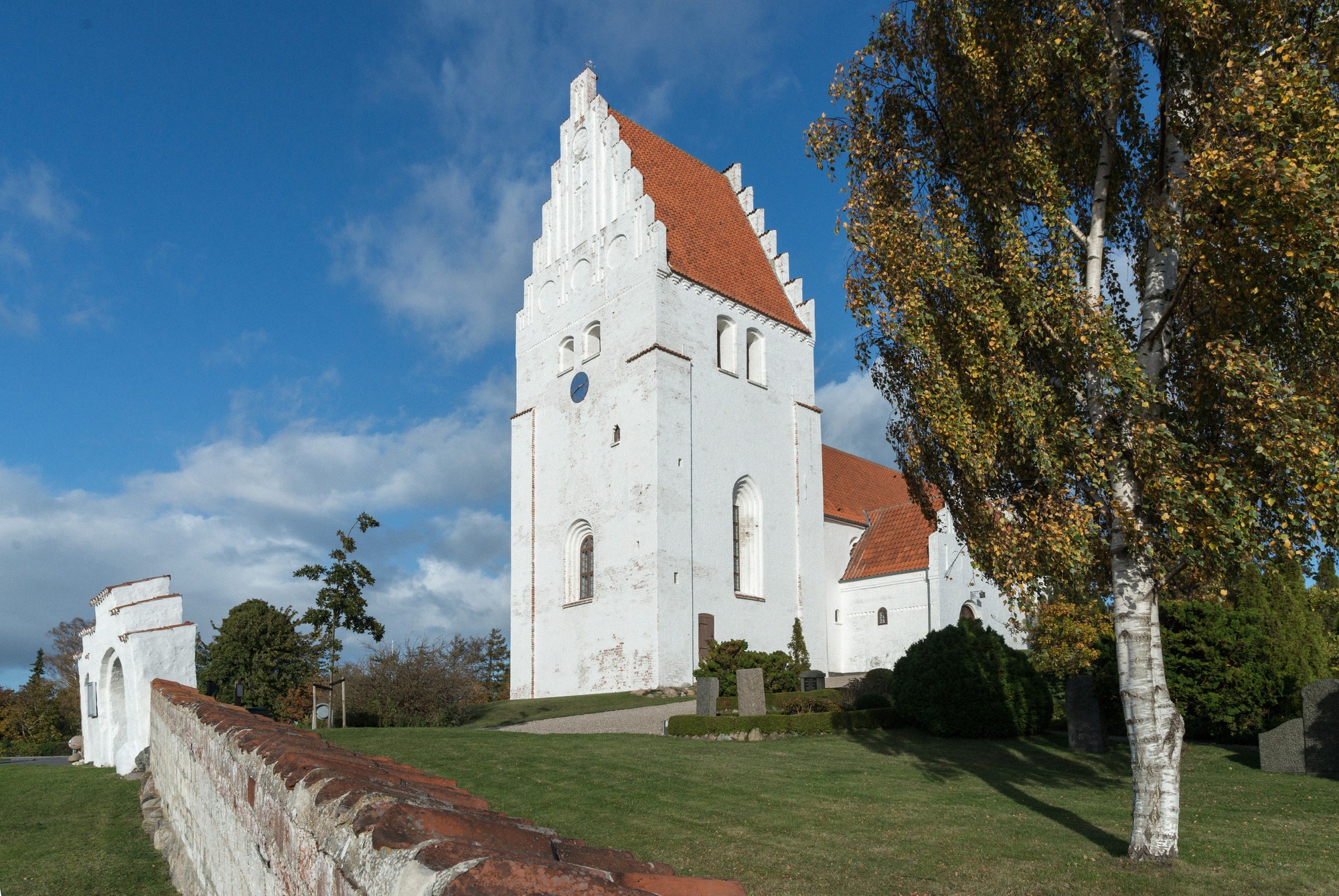
Elmelunde Kirke
Elmelunde Kirke is the oldest church on Møn and gave the Elmelunde Master his name, its vaults are covered edge to edge with frescoes from around 1500.