
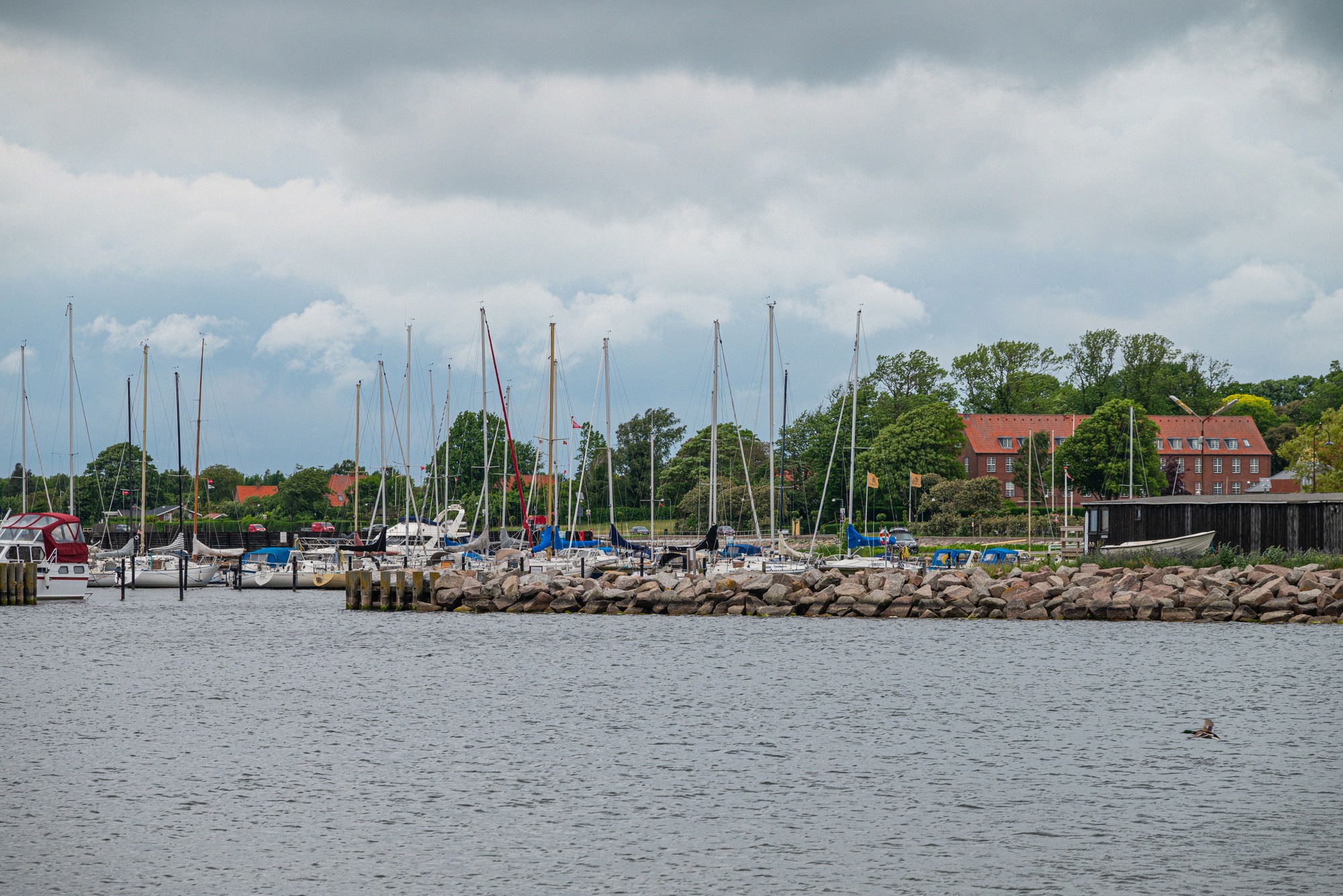
Stege
The island's main town, with a town gate & harbour
Overview
The places on Møn and neighbouring Bogø at a glance, from the island capital Stege to the car-free birdwatching village of Nyord and the fishing harbour of Klintholm Havn, with bus links and tips on where to base yourself.
The island's main town, with a town gate & harbour
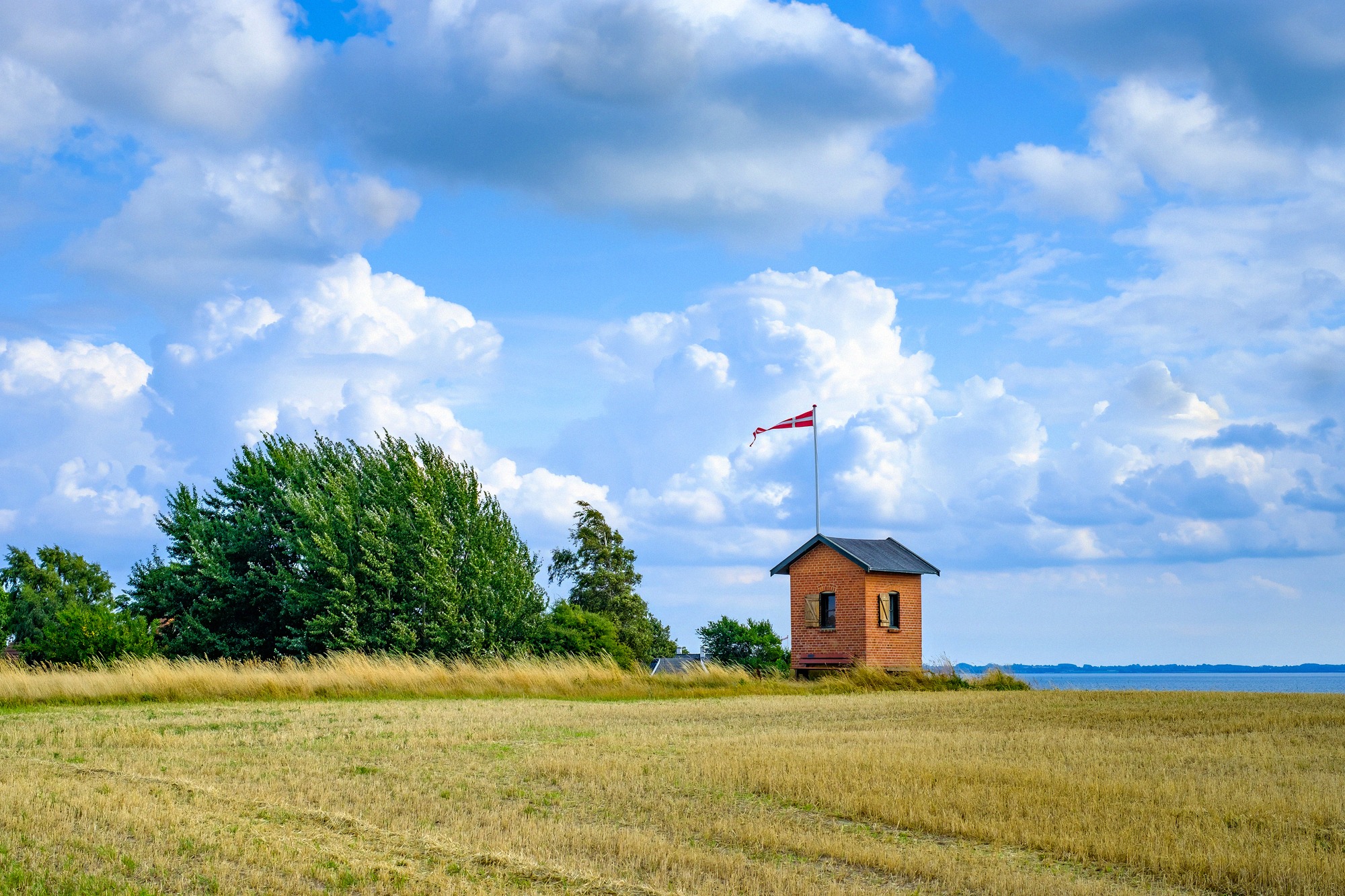
Car-free fishing village in a bird reserve
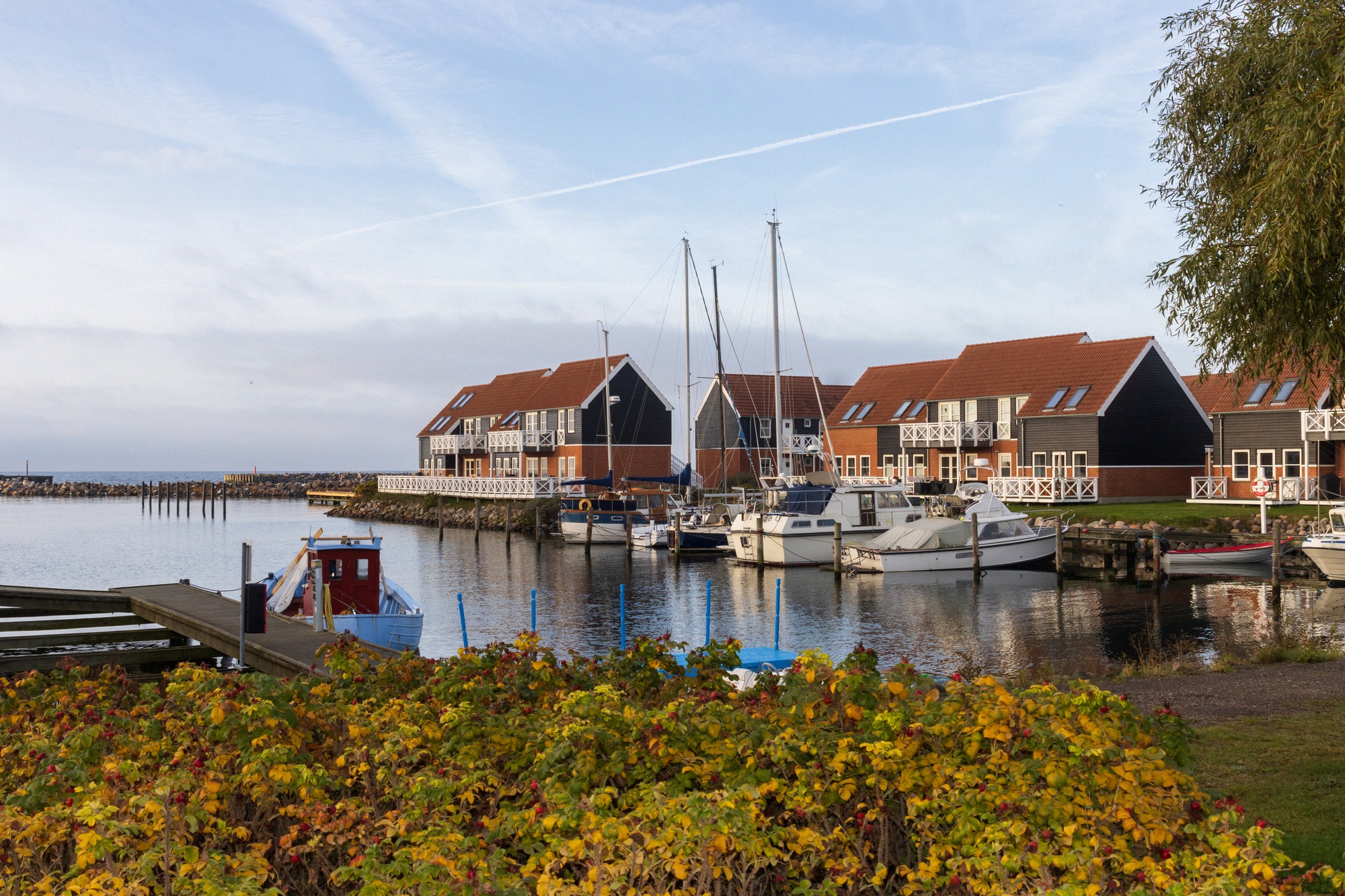
Fishing harbour near Møns Klint
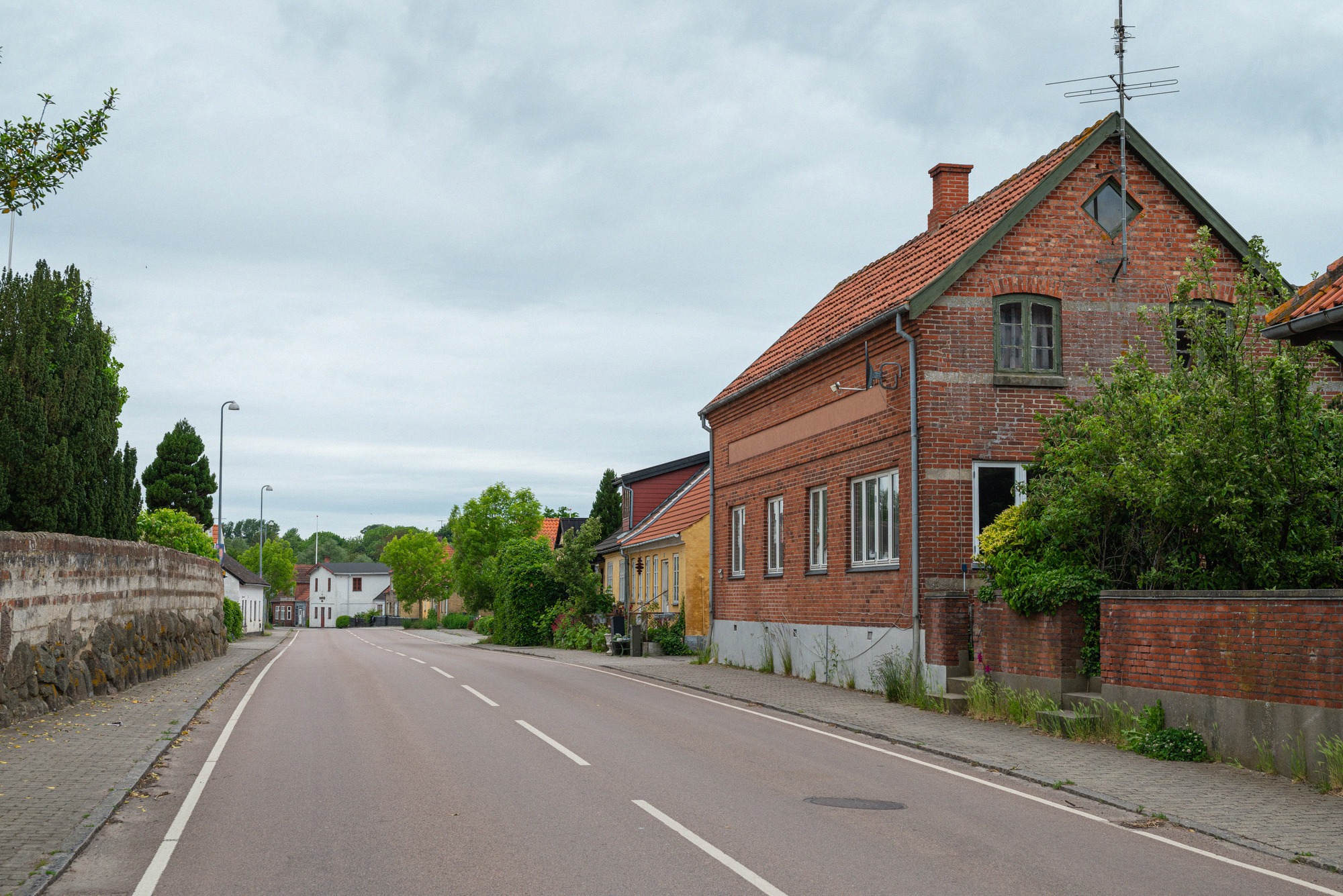
Quiet village between Stege and Møns Klint
Quiet neighbouring island with a windmill
No results found.
Møn is sparsely populated, and island life is concentrated in a handful of very different places. At the centre is Stege, the supply and transport hub, from which buses fan out to the smaller villages. If you're planning a visit, two questions matter most, where to base yourself, and how to get between places without a car. This overview introduces the five key places, from the historic capital to the car-free birdwatching village, and includes the rural neighbouring island of Bogø.
Stege is Møn's main town and the only centre with meaningful amenities. Supermarkets, shops and most of the island's dining are concentrated here, and this is where the island's bus routes converge. As a base for your stay, Stege is the most practical choice if you want to stay flexible and reach every part of the island easily.

Accommodation ranges from the B&B Hotel Møn to Hotel Residens Møen near the centre and the CO2-neutral Hotel Stege Nor around 1.8 kilometres out of town on the waterfront, which offers bicycle and kayak rental. The properties don't publish fixed rates; prices vary by season, and there's no official count of how many there are, the range stays fairly small. Booking early generally means better rates in high season.
Two connected sights are worth the walk through the old town:
Nyord is a tiny, almost entirely preserved fishing village on its own small island to the north. It's been linked to Møn by a bridge since 1968, before that, the only way across was by boat. The village itself is car-free: you park at the entrance and continue on foot.
The real draw lies around the village. The Nyord Enge salt marshes are considered one of Denmark's best birdwatching areas, home to waders, migratory birds and white-tailed eagles. The nature reserve is freely accessible; several viewing and birdwatching towers line the road running through the marshes, along with the Hyldevang nature centre, whose outdoor area, nature exhibition, sensory garden and a wheelchair-accessible platform, is free to use. Nyord is part of Denmark's first UNESCO biosphere reserve and Scandinavia's first Dark Sky Park. More on the island's nature in the nature overview.
Klintholm Havn is a small fishing village on the south coast with around 200 residents, primarily a holiday and harbour town offering holiday homes and resort accommodation (such as Møns Klint Resort) rather than classic hotels. That makes it the nearest base for the chalk cliffs of Møns Klint.
Despite its size, the harbour is remarkably busy: in summer more than 10,000 sailing boats call at Klintholm, and over 200,000 visitors come for walking and day trips. The harbour, sandy beach and promenade are all free to access. Several harbourside restaurants sit right on the water, including Restaurant Klintholm in the old freezer building, whose fish buffet is billed as Denmark's largest selection of herring, and the smokehouse Klintholm Rogeri, both are simply places to eat, with no entry fee. More on the island's food scene under Food & Drink.
Borre is a historic village halfway between Stege and the cliffs, and a good, quiet base surrounded by countryside. At its centre is Borre Kirke, whose nave dates from the first half of the 13th century; the vaulting, sturdy tower and porch were added later in the late Gothic period. As with Danish parish churches generally, entry is free during the congregation's opening hours, exact hours vary, so check locally before visiting.
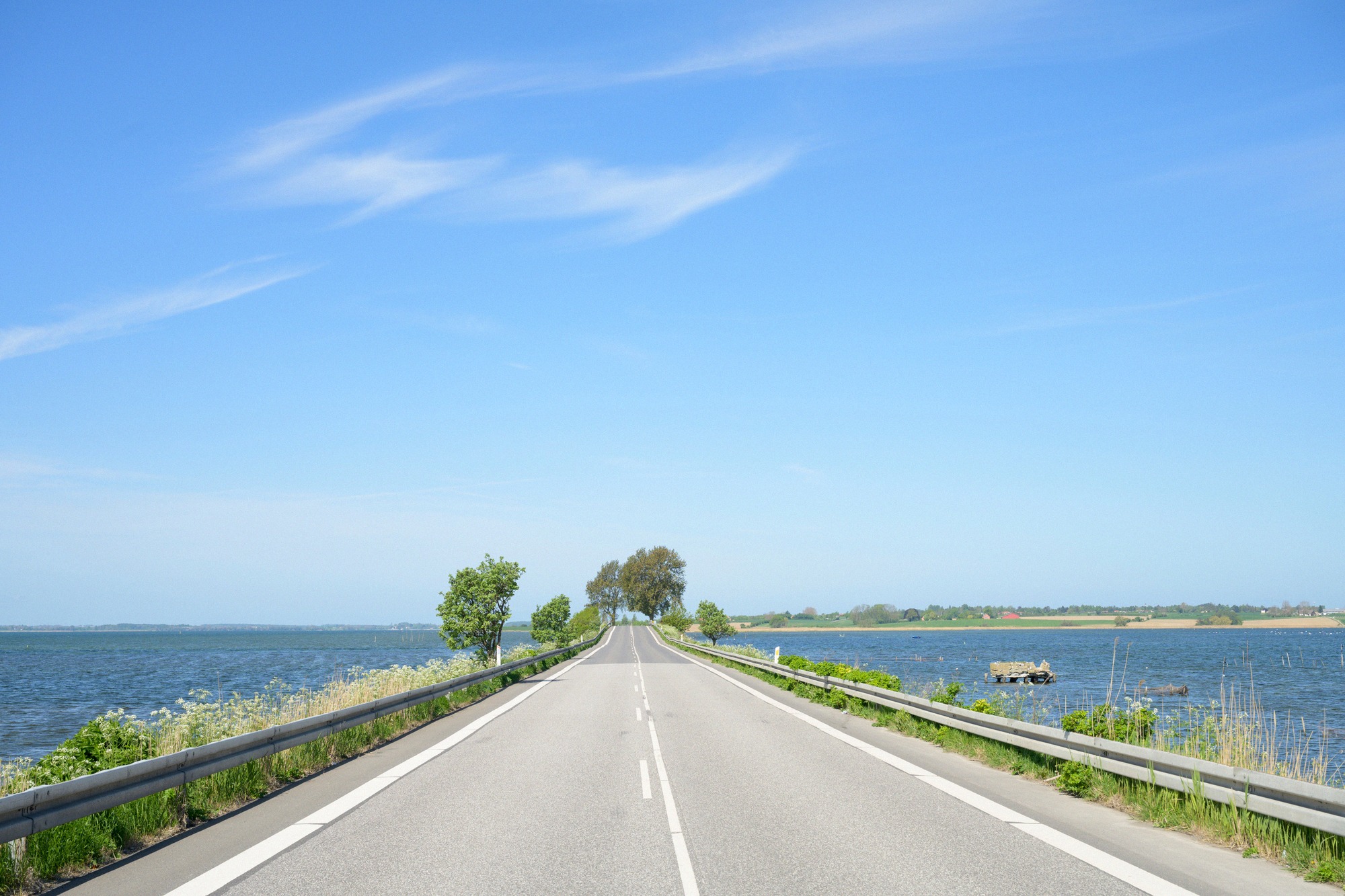
Bogø is the rural neighbouring island to the west, linked to both Farø and Møn by causeways and bridges; one of the two main access roads to Møn runs across the island, with no ferry crossing needed. Its landmark is the Bogø Mølle, a Dutch-style gallery windmill from 1852, restored by the local mill guild. It serves as a destination and rest stop on the Camøno hiking trail, with a picnic room, toilet and bench; the rest area is free to use. The mill is run by volunteers and is mainly open in summer and on event days (during Danish school holidays typically Wed/Fri/Sat/Sun 11:00-16:00), exact times change, so check with the mill guild before your visit. In summer, a small car ferry also runs from Bogø harbour to Stubbekøbing on Falster, taking around twelve minutes. The mill sits on the Camøno hiking trail.
Møn has no railway station of its own; buses provide the main link to the rail network. Route 660R connects Vordingborg station with Stege in around 47 minutes, running daily - Vordingborg itself is reachable by train from Copenhagen. From Stege, onward connections continue:
Timetables on Møn change from time to time, so check exact departures and current frequencies on Rejseplanen.dk shortly before you travel. As a rule of thumb: the bus covers the central places well, while a car is useful for the more remote parts of the island, without one, journeys take longer and services thin out outside the summer season. More on getting there in the travel guide.
Cycling is a good alternative. With its network of small, quiet roads, Møn is well suited to cycling; West Møn and Ulvshale are flat, while the east is hillier and appeals to mountain bikers too. Rental is available at Fri BikeShop in Stege, among others, and as e-bike hire from Stege Center for the length of your stay.
More on types of accommodation and choosing the right area in the accommodation guide.