
Mølleporten
Medieval town gate in Stege
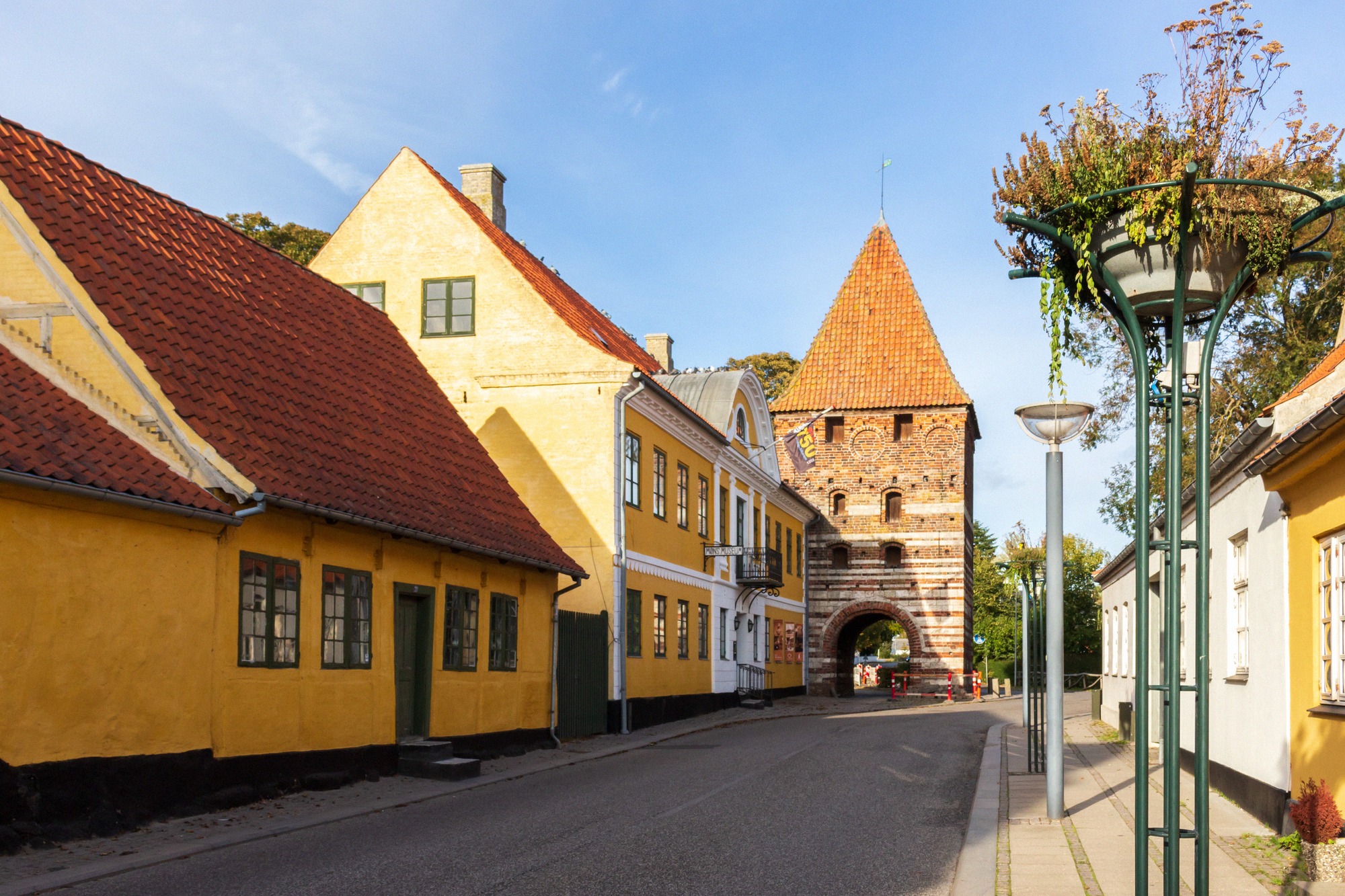
Mølleporten in Stege is one of only two surviving medieval town gates in Denmark, and since its restoration you can now go inside.
Contents
One of only two surviving town gates in Denmark
Mølleporten ("mill gate") is the former eastern town gate of Stege and the landmark of the island's capital. What makes it remarkable isn't just its age but its rarity: it's one of only two surviving medieval town gates in Denmark, the other is Vesterport on the island of Funen, in Faaborg. The striking brick building with its stepped gable is a reminder that Stege was a wealthy, fortified trading town in the late Middle Ages.
Stege and the herring trade
Stege was granted market town rights as early as 1268 and by the 15th century was among the wealthiest trading towns in Denmark. Herring was the source of that wealth: herring fishing in the Øresund and the great Skåne Market (which flourished roughly between 1250 and 1450) made salted herring a major export, traded from Russia to Sicily. Before the introduction of the Sound Dues, this trade was one of the Danish crown's biggest sources of income, and Stege was right at the centre of it.
From earthen rampart to the last surviving gate
Around 1430, an earthen rampart (byvold) was built along the town's north side, and by the end of the century three gate towers had been added. Mølleporten itself dates from the late 15th century; it's first mentioned in writing in 1531, in the Stege town records. In the 1680s, the local bailiff had the wall and two of the gates torn down, only Mølleporten was left standing, with a prison cell added on its upper floor. Today around 800 metres of rampart and moat survive, with walking paths running alongside them.
Open to the inside, since the restoration
For a long time the gate could only be admired from outside. That's changed: a major restoration carried out between 2019 and 2022, financed by the Realdania foundation, opened up the interior. As part of the work, the street level was lowered by around 80 centimetres to reveal the base of the structure, long hidden beneath it. Today you can climb up through the vaulted chambers to the upper floor and look out over the town and the water.
Worth knowing before you go: the gate passage is free and open at all times, on foot or by bike (it's been closed to cars since 1987). The interior, on the other hand, is only accessible during Møns Museum's opening hours and is included with the museum ticket, there's no separate ticket for the gate alone. Because of the medieval architecture and narrow staircases, the interior isn't wheelchair- or pushchair-accessible; the passage below, however, is level.
Visiting and practicalities
Mølleporten stands on Storegade 75 in 4780 Stege and makes a natural starting point for a stroll through the small cobbled old town. Nearby you can easily combine it with the Stege Byvold ramparts and moat, Stege Kirke, and the town museum Empiregården (part of Møns Museum), a well-connected town walk. Allow 15 to 30 minutes if you're just seeing the outside, or 30 to 45 minutes if you're going inside. The most pleasant time to visit is between spring and early autumn; the interior is tied to the museum season, which runs from late March to mid-October. For how to get to Stege, see our guide to getting to Møn; official information is available from Møns Museum.
Frequently asked questions
Is there an admission charge for Mølleporten? +
Can you go inside Mølleporten? +
What are the interior opening hours? +
Is Mølleporten accessible? +
How much time should I allow? +
Nearby
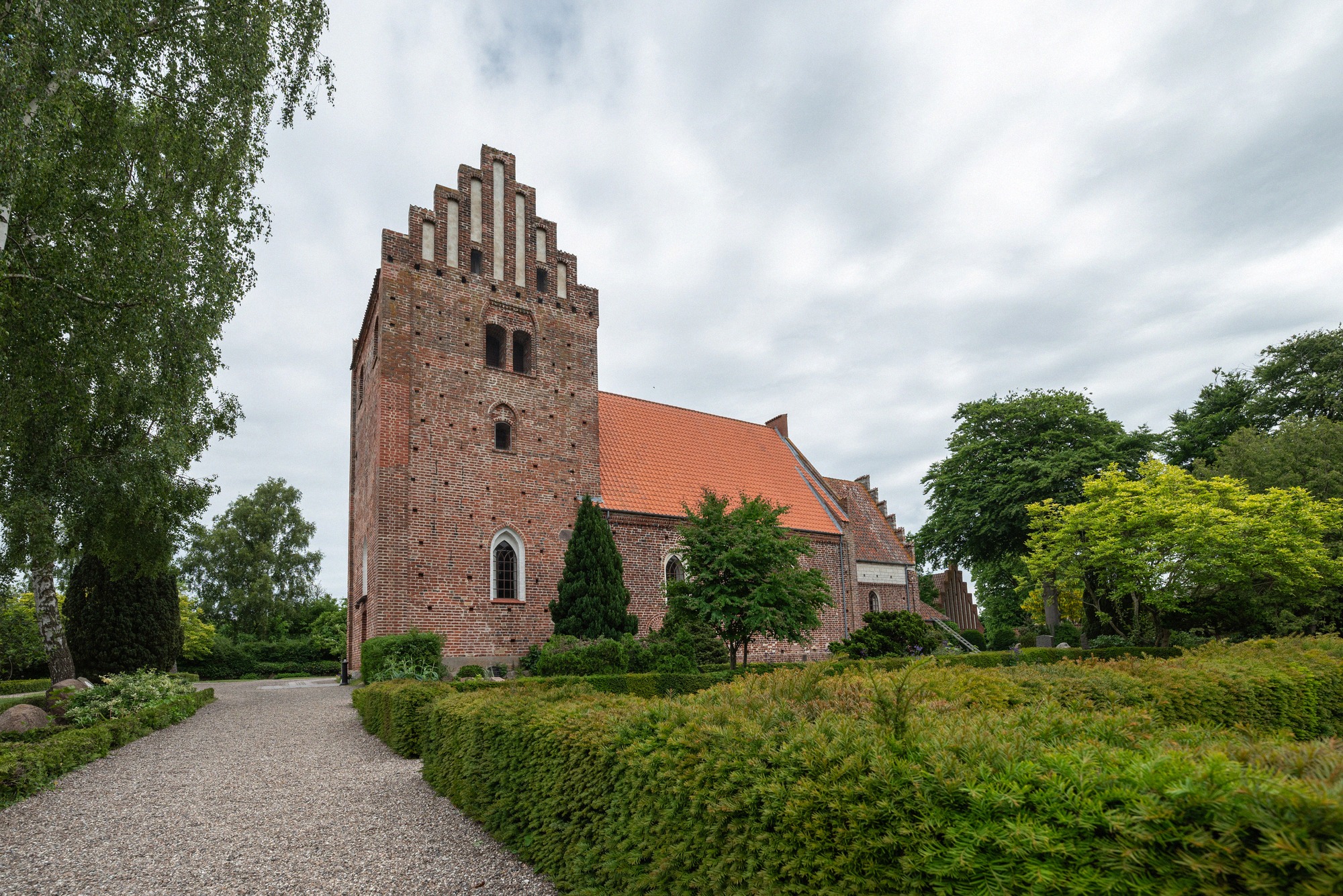
Keldby Kirke
East of Stege, Keldby Kirke holds one of Møn's richest fresco programmes, wall paintings from the 13th to 16th century, including work by the Elmelunde Master.
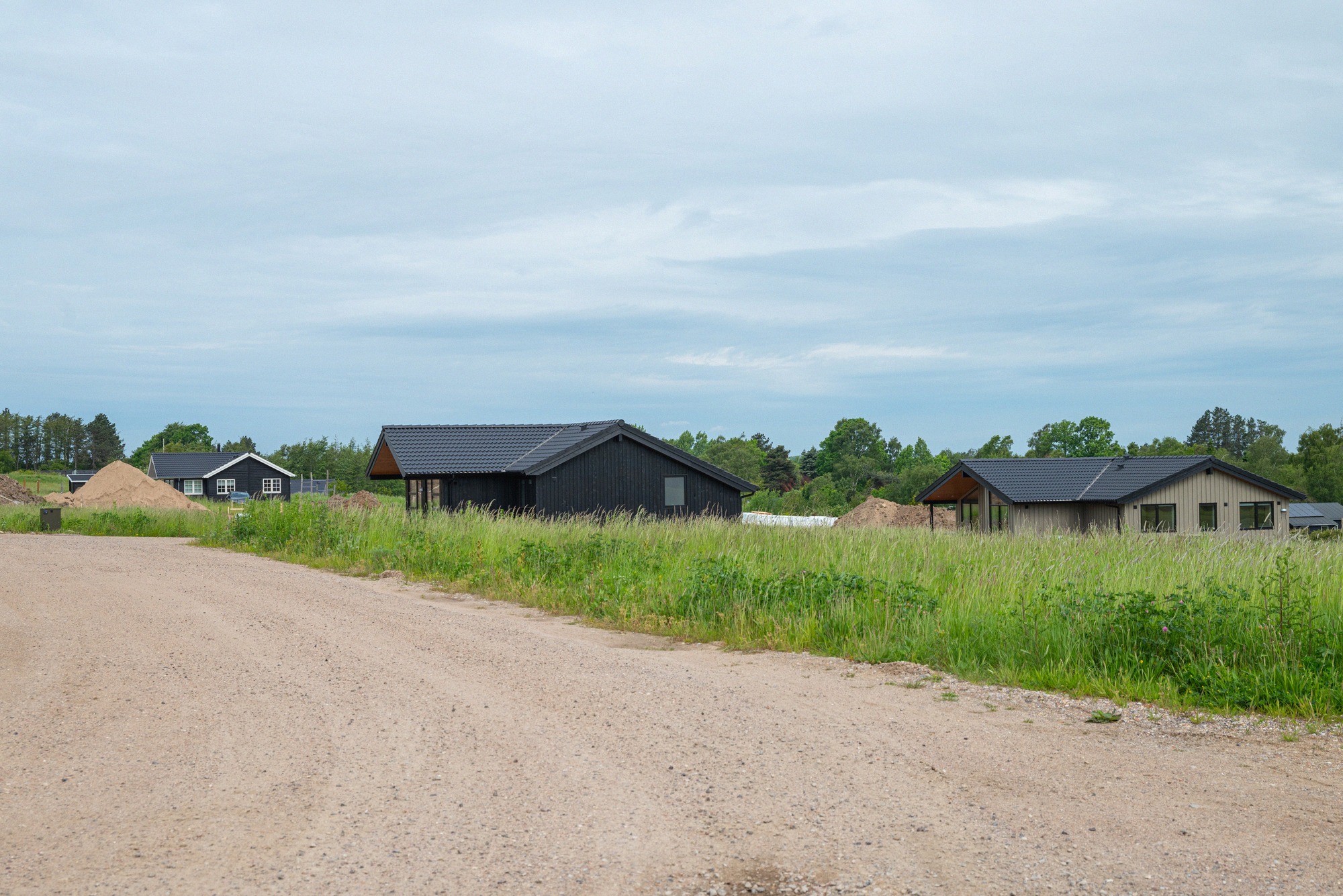
Ulvshale
Nature national park in northern Møn with ancient woodland, a flat sandy beach, salt marshes and free-roaming Exmoor ponies, the gateway to bird island Nyord.
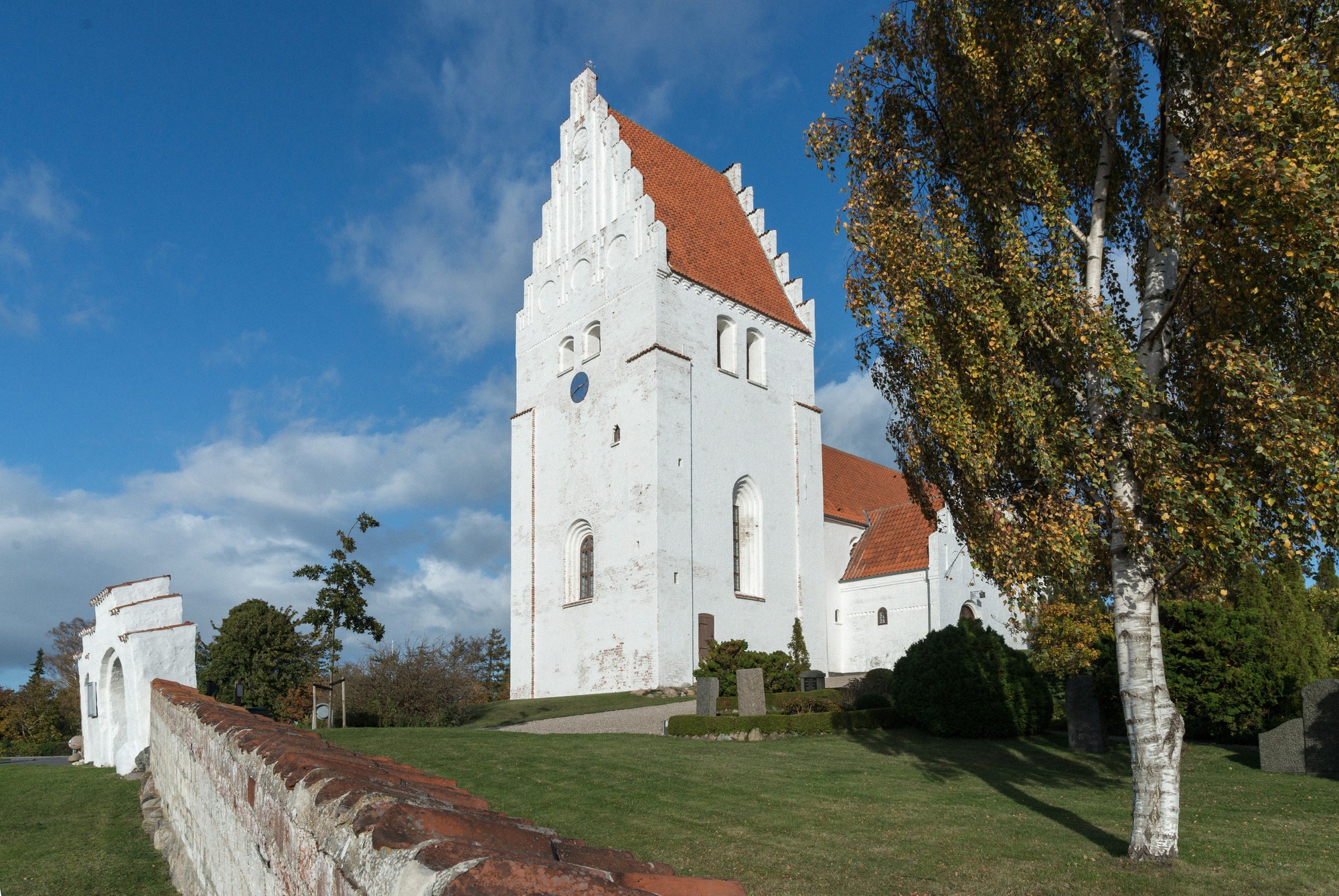
Elmelunde Kirke
Elmelunde Kirke is the oldest church on Møn and gave the Elmelunde Master his name, its vaults are covered edge to edge with frescoes from around 1500.
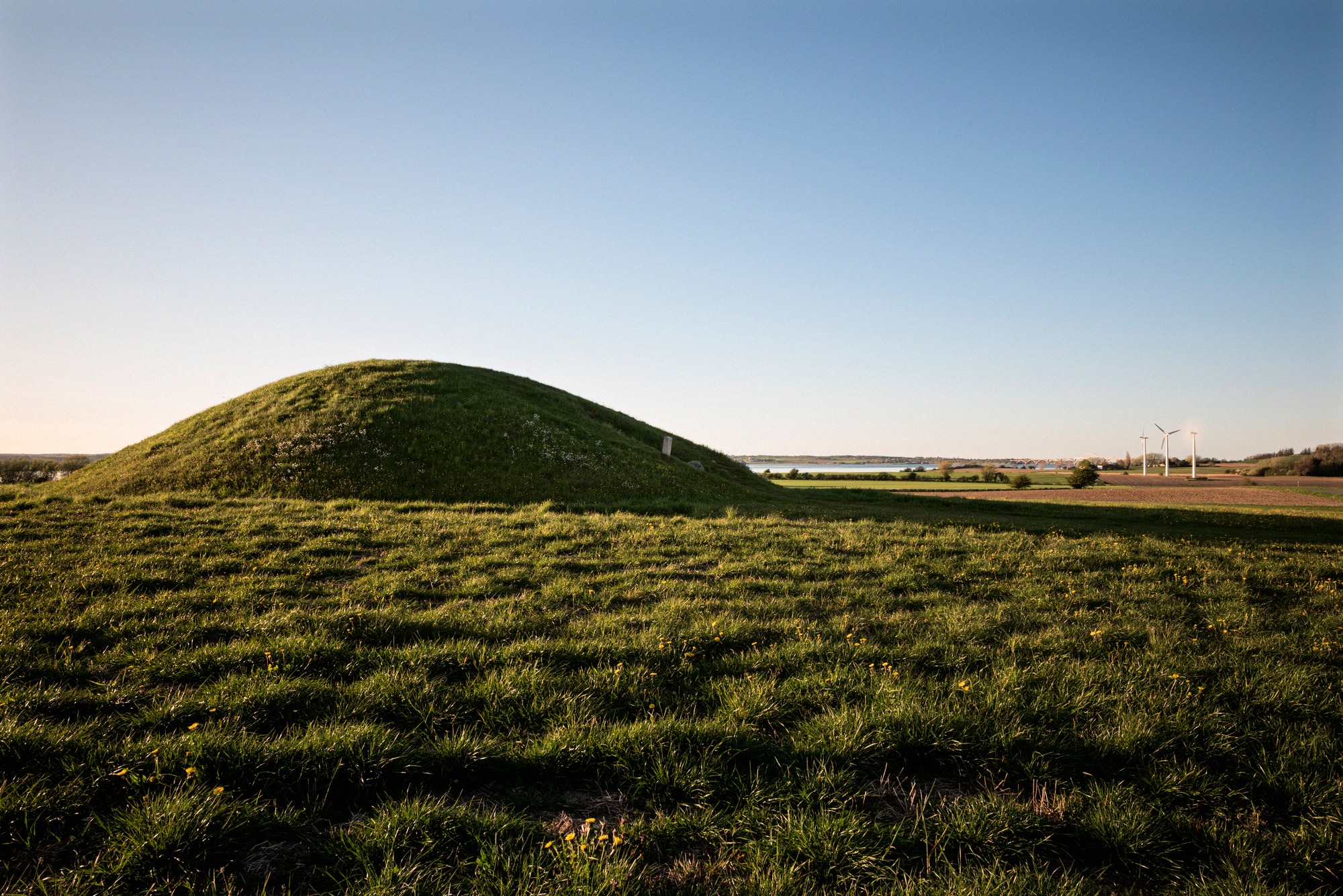
Kong Asgers Høj
Denmark's largest walk-in passage grave sits in western Møn, a 5,200-year-old Stone Age burial chamber you can crawl into, free of charge.
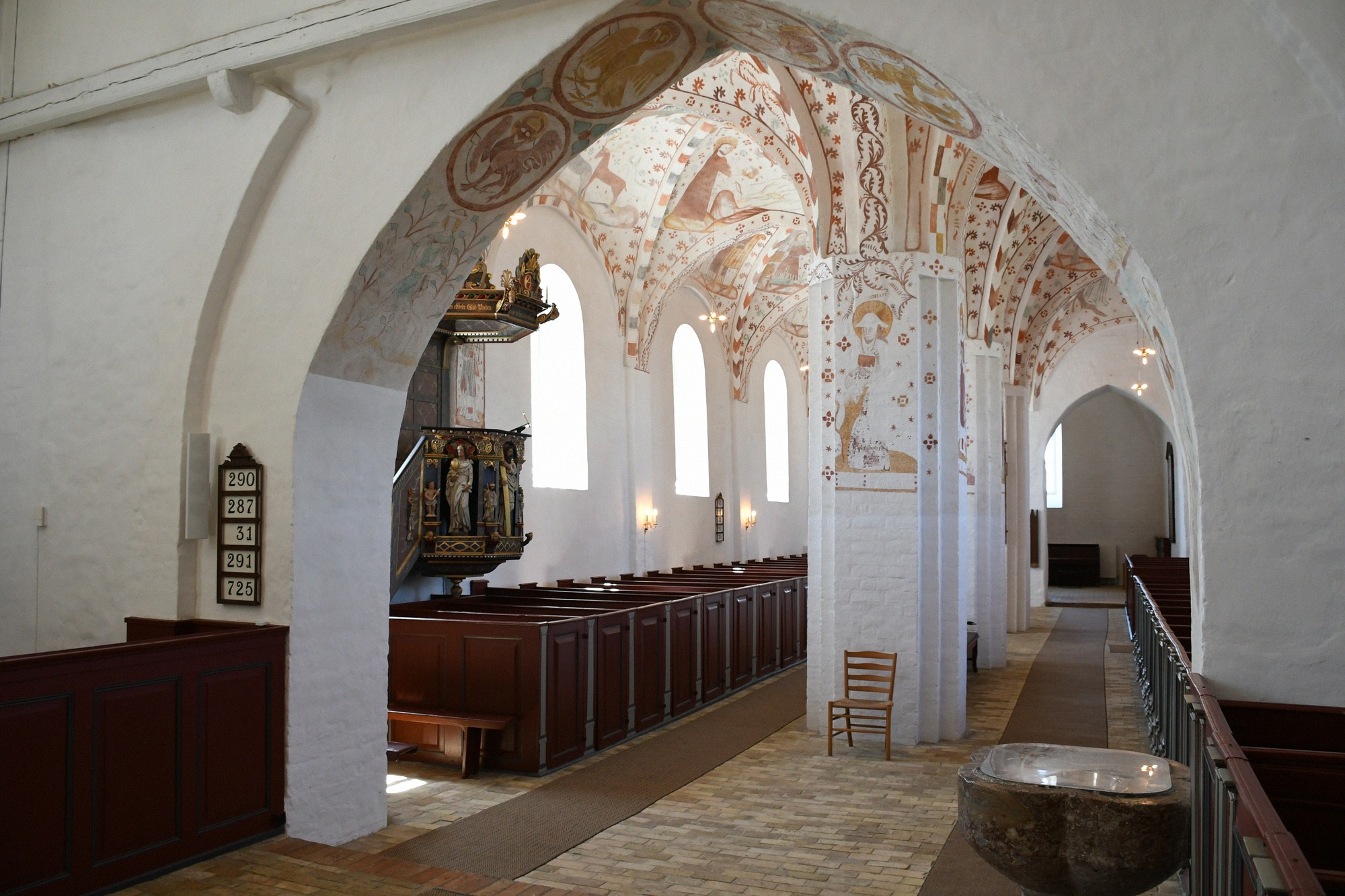
Fanefjord Kirke
Standing alone above the Fanefjord, this church holds the finest vaulted frescoes by the Elmelunde Master, next door lies the 102-metre Grønsalen passage grave.
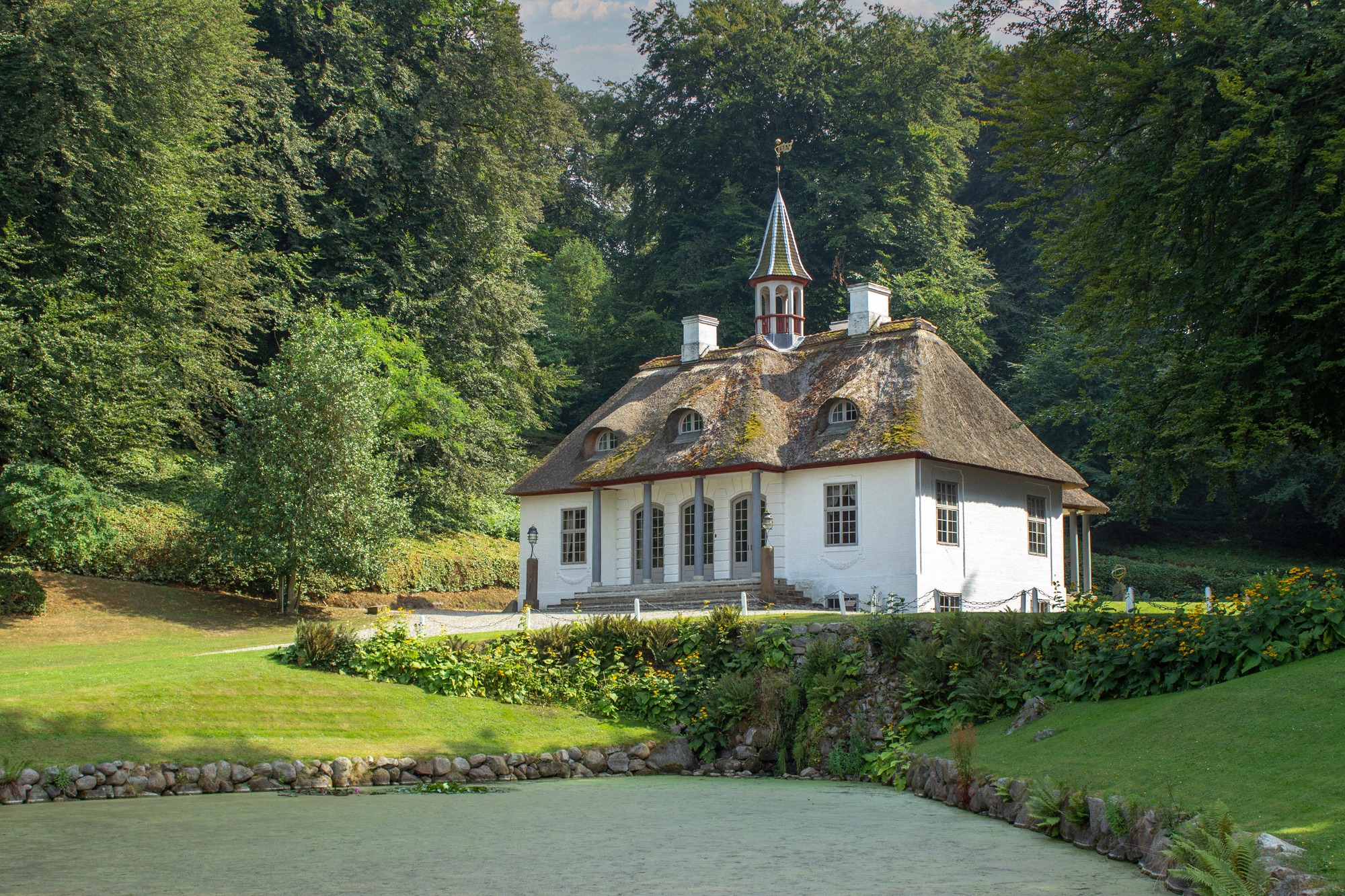
Liselund Castle
The thatched Liselund pleasure palace (Danish, Lystslottet), built in 1792, is said to be Denmark's smallest castle; its landscape park by the Møns Klint forest is open free of charge year-round.