
Høje Møn
Beech forest and hiking trails above the chalk cliffs
Behind the chalk cliffs lies Høje Møn, with Denmark's oldest beeches, lime-rich orchid meadows and seven marked trails inside a Dark Sky Park.
Contents
Wild nature behind the chalk cliffs
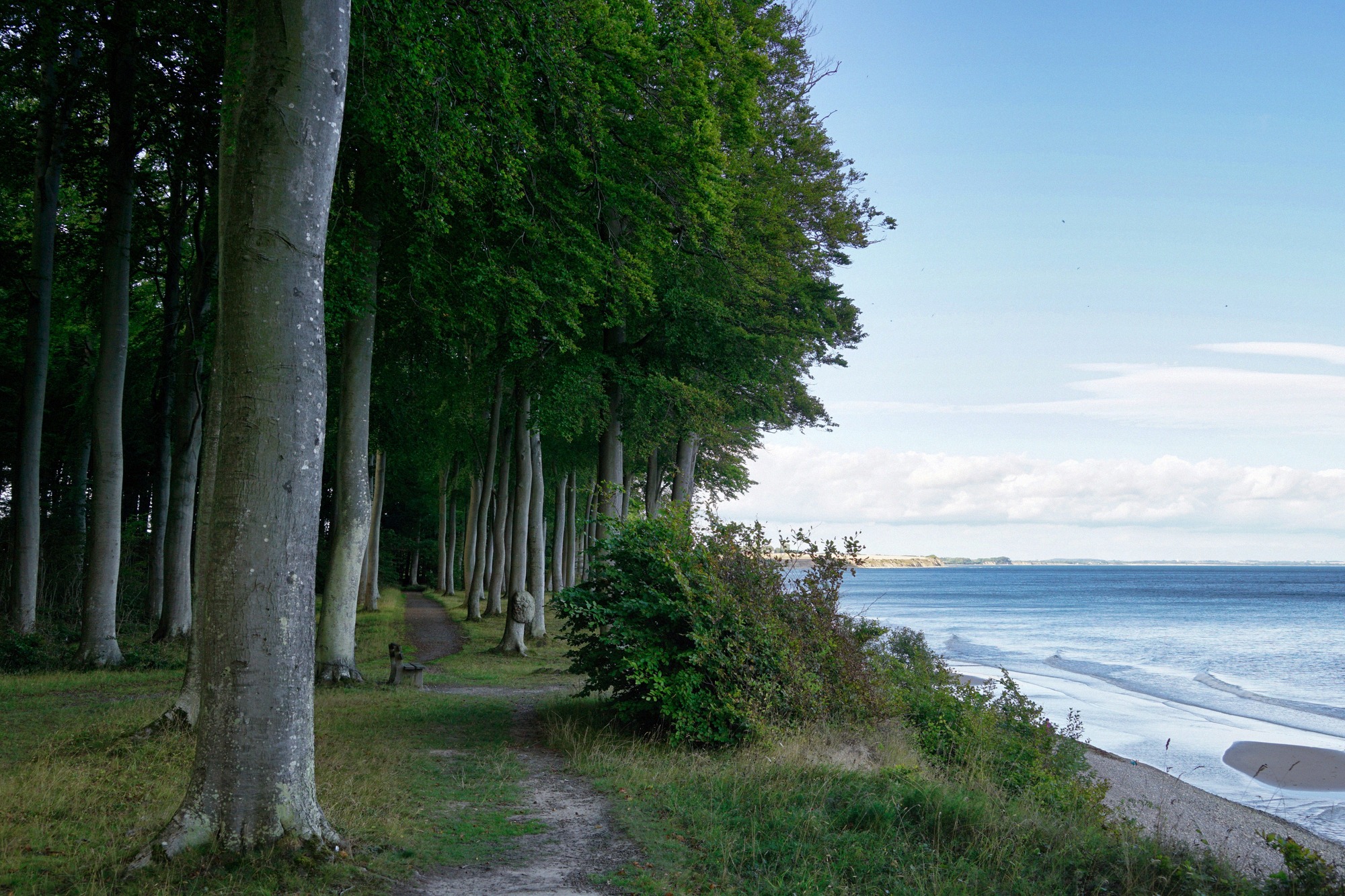
Just behind Møns Klint lies Høje Møn ("High Møn"), a hilly forest area that ranks among the most untouched landscapes in Denmark. Klinteskoven forest holds some of the country's oldest beech trees, interspersed with the deep erosion ravines carved out by Ice Age meltwater. In spring, before the canopy closes over, the forest floor glows green. Since Møns Klint was recognised as Denmark's ninth UNESCO World Heritage Site on 13 July 2025, the hinterland has drawn more attention too, the cliffs attract around 250,000 visitors a year, while the forest tends to stay the quieter experience.
Orchids on lime-rich soil
The lime-rich ground makes Høje Møn one of the most species-rich habitats in Denmark. The unimproved meadows at Høvblege and Jydelejet host up to 18 of Denmark's roughly 42 native wild orchid species, several of them extremely rare elsewhere in the country. Høvblege has been kept as open grazing land for over a hundred years, so the light-loving species aren't crowded out by scrub. Notable species include pyramidal orchid, white helleborine and dark-red helleborine. The main flowering season falls in May and the first half of June, with a second wave in July.
Seven hiking trails through Klinteskoven
The forest has seven marked routes ranging from 2.2 to 9 kilometres. Three stand out:
- Gråryg (2.3 km, roughly 45 min): loops the southern part of the cliffs via the clifftop and beach, taking in the Grårygtrappen staircase (468 steps) and the Maglevandstrappen (497 steps, Denmark's longest staircase). Physically demanding.
- Røde Udfald (2.7 km): runs through the northern part, passing the highest point, Dronningestolen, with a near-vertical 128-metre drop.
- Timmesøbjerg (3 km): the most dramatic stretch, through Denmark's oldest beeches and past the remains of a Bronze Age fortification.
For a longer walk, follow the roughly 14-kilometre "Klintekongens Rige" loop across cliffs, beach, hills and forest. Cycling is allowed on all trails except the bridleways. A section of the 175-kilometre long-distance trail Camønoen also runs through the area, more in our hiking guide.
Dark skies over Høje Møn
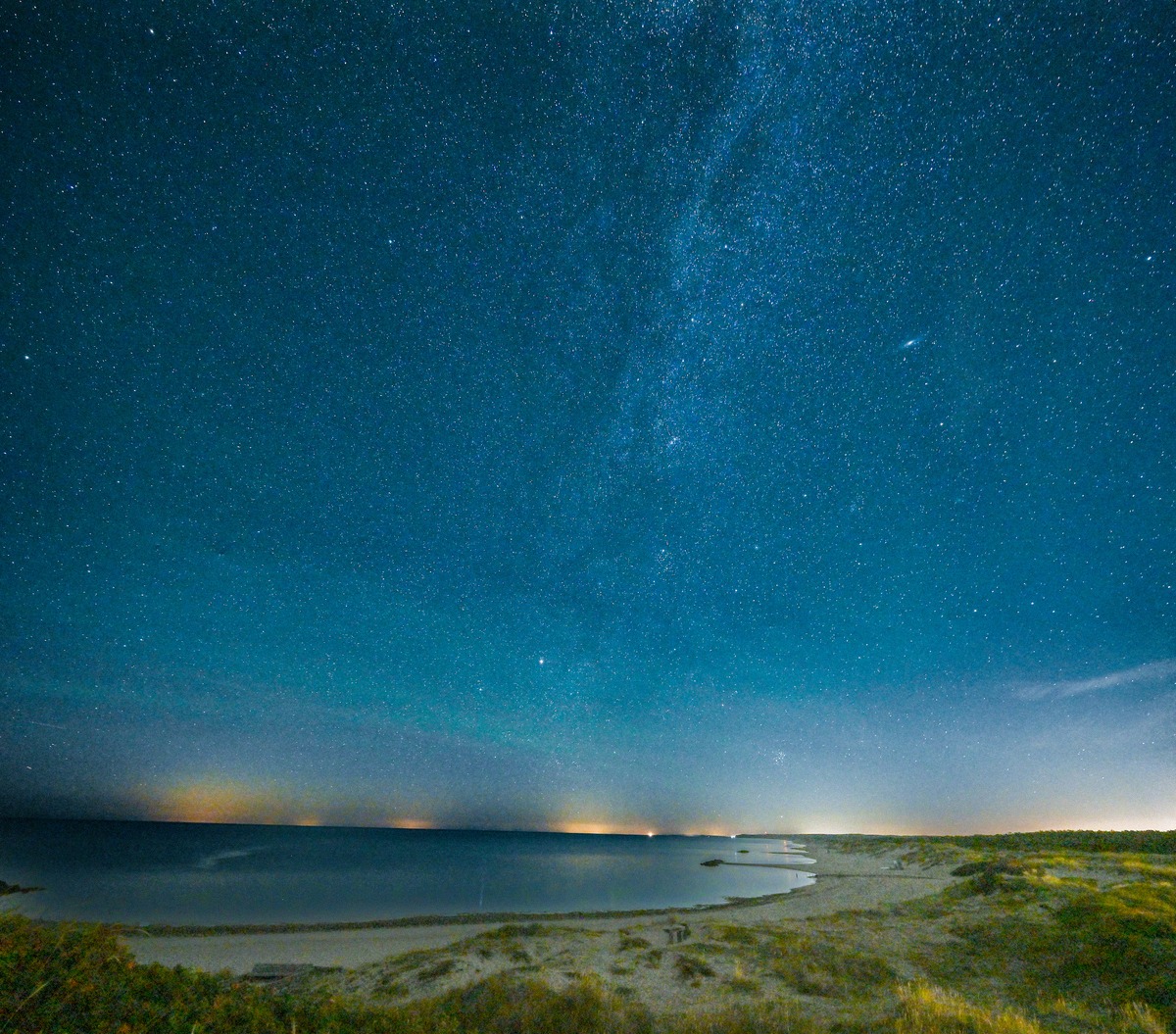
Møn and Nyord form the Nordic region's first Dark Sky Community and first Dark Sky Park (Gold Tier), and the first place in the world to hold both designations at once. On a clear night, more than 5,000 stars are visible: the Milky Way in late summer, meteor showers in August, the Andromeda Galaxy in autumn, and particularly long dark nights in December. One thing to plan around, the forest section bordering the private Klintholm estate is only accessible from 06:00 to sunset. For night-time viewing, open spots outside that section work better, more in our Dark Sky guide.
Visiting and practicalities
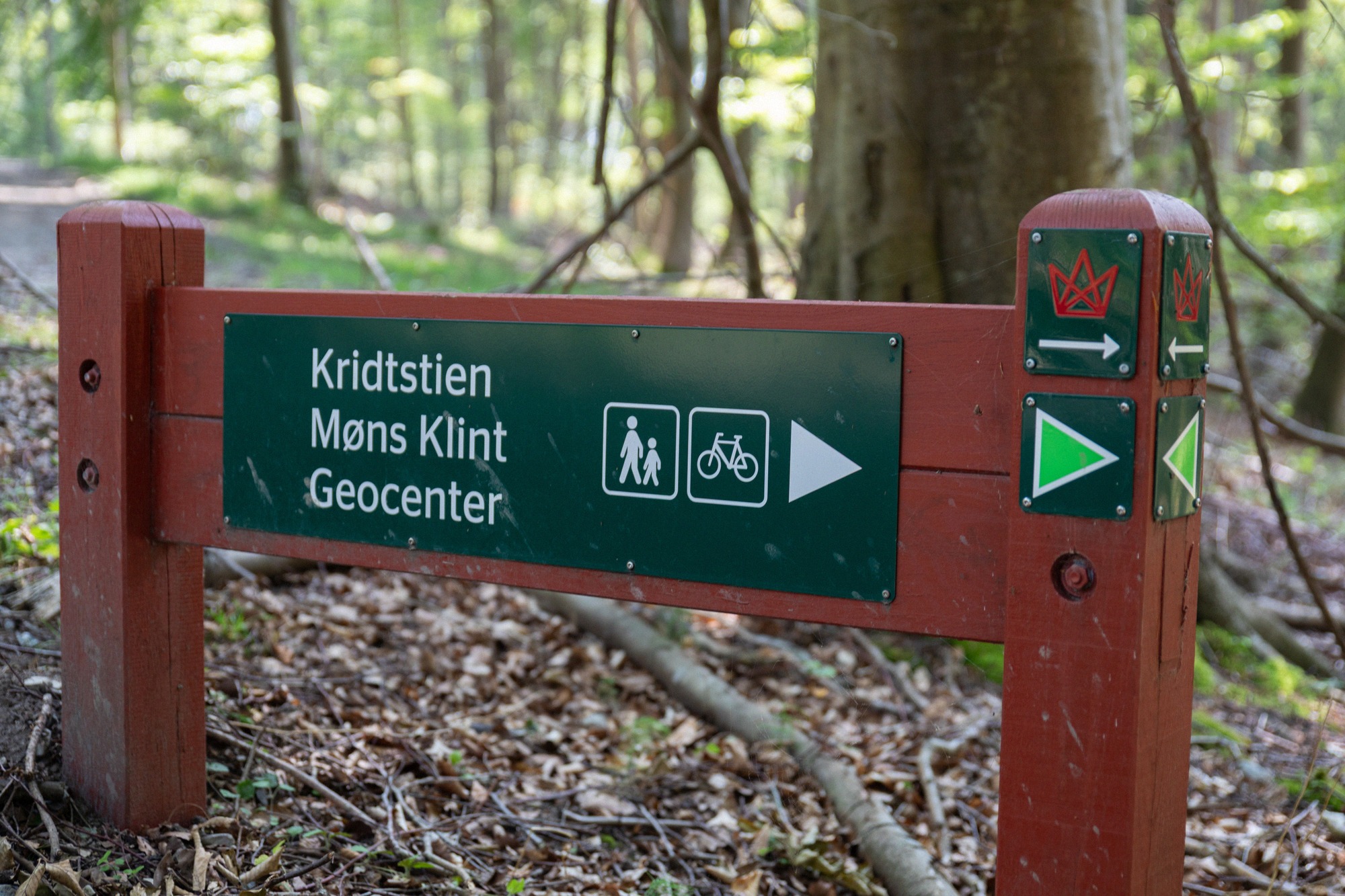
Most visits start at GeoCenter Møns Klint, which has toilets and a café; parking there costs 45 DKK. Free parking is available at Camping Møns Klint or at Liselund Castle, both within easy reach of Høje Møn without a fee. The GeoCenter itself only opens from Easter to late October and stays closed over winter. Toilets are available at the GeoCenter and at Liselund, and there's a picnic spot with a shelter at Havrelukke, but the forest itself has no further facilities, so bring water and food. The cliffs are actively eroding: stay on the paths and staircases, don't climb the rock face, and don't get too close to the edge. To combine forest and coast, pair the walk with a side trip to the Ulvshale nature reserve. For getting to the island, see our travel guide.
Frequently Asked Questions
Is there an entrance fee for Høje Møn? +
Can you visit Høje Møn at night for stargazing? +
What hiking trails does Høje Møn have? +
When do the orchids flower on Høje Møn? +
How strenuous are the hikes? +
Nearby
Dark Sky Park Møn
Dark Sky Møn is Scandinavia's first Dark Sky Park (Gold Tier), covering Møn and Nyord. Over 5,000 stars, the Milky Way and Andromeda, visible to the naked eye.
GeoCenter Møns Klint
Interactive visitor centre above Møns Klint, tracing roughly 70 million years of earth history. A weatherproof complement to the freely accessible chalk cliffs.
Møns Klint
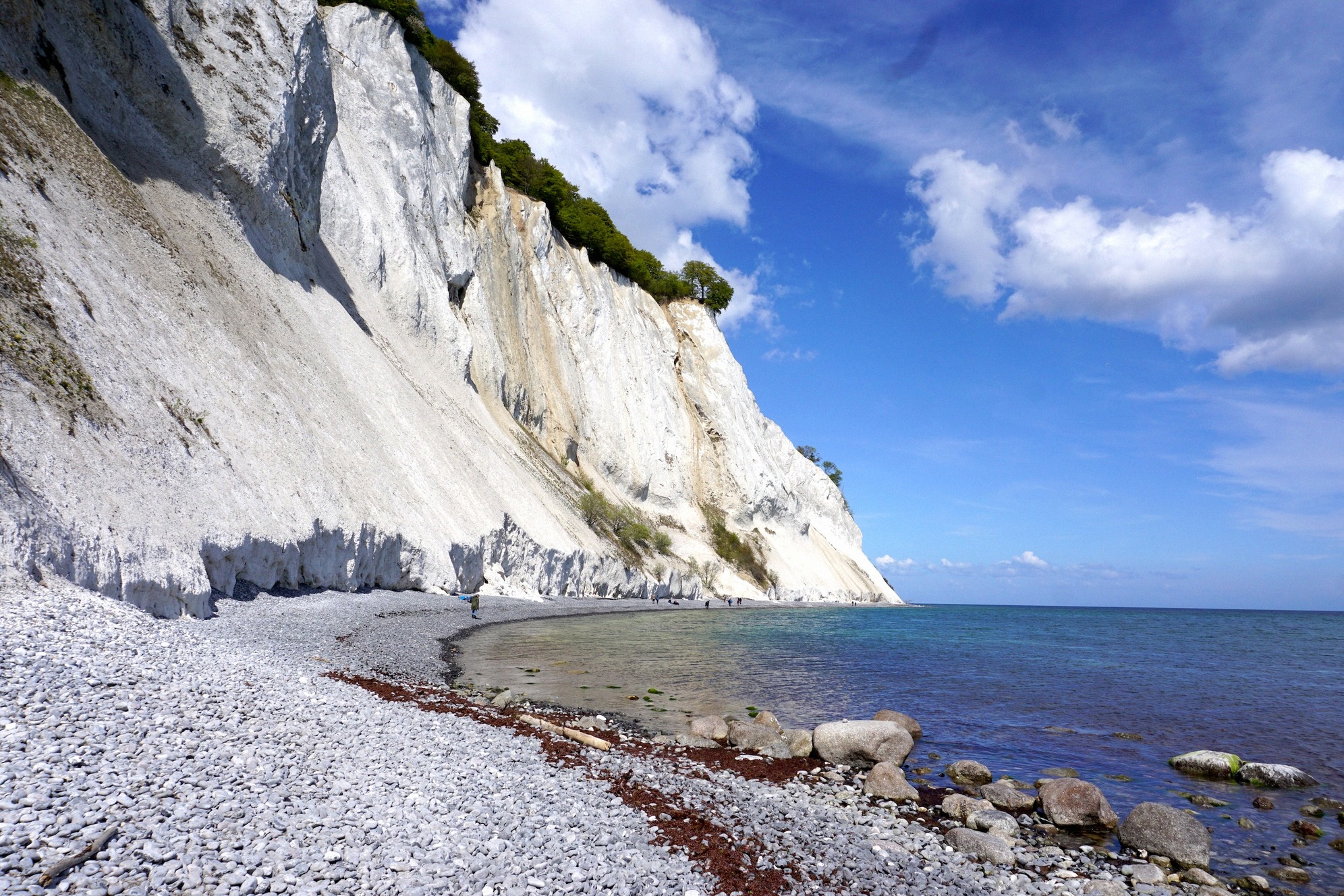
Møns Klint rises up to 128 metres above the Baltic Sea, chalk cliffs over 70 million years old, with the 497-step Maglevandstrappen down to a fossil beach.
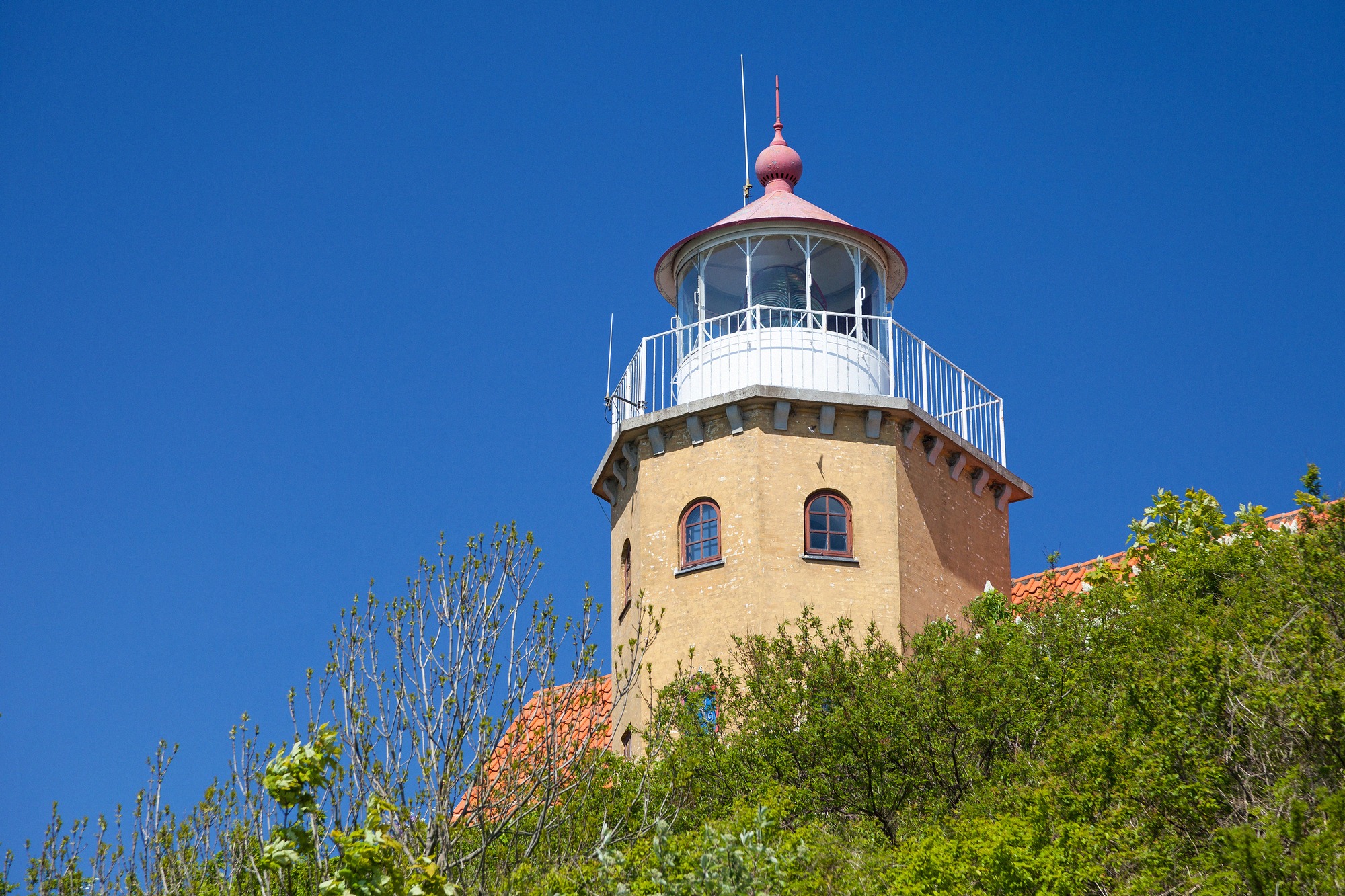
Møn Fyr
This white 1845 lighthouse marks Møn's south-eastern tip. Its light is still active, but the tower itself is closed to visitors, a quiet coastal stop.
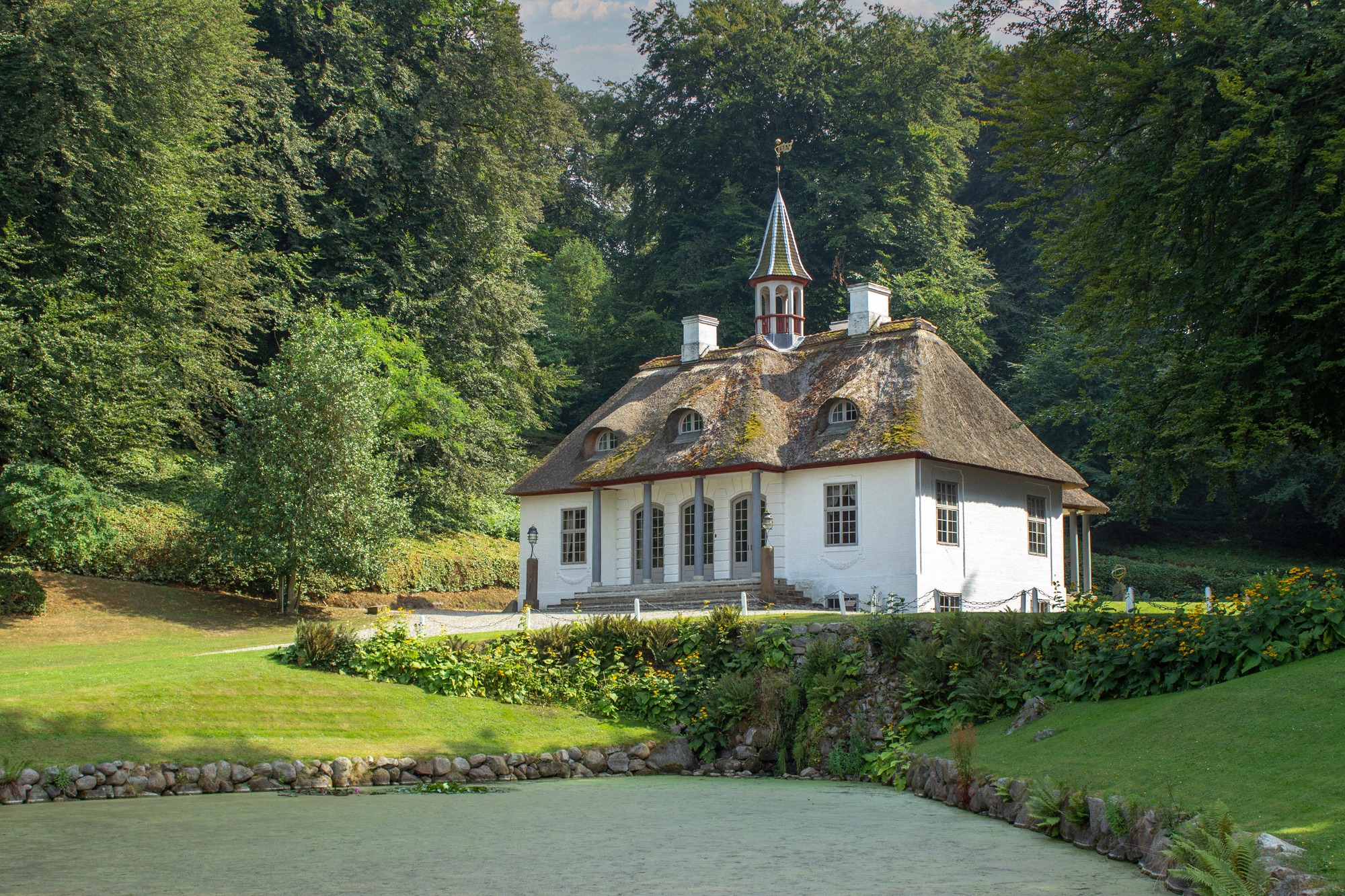
Liselund Castle
The thatched Liselund pleasure palace (Danish, Lystslottet), built in 1792, is said to be Denmark's smallest castle; its landscape park by the Møns Klint forest is open free of charge year-round.
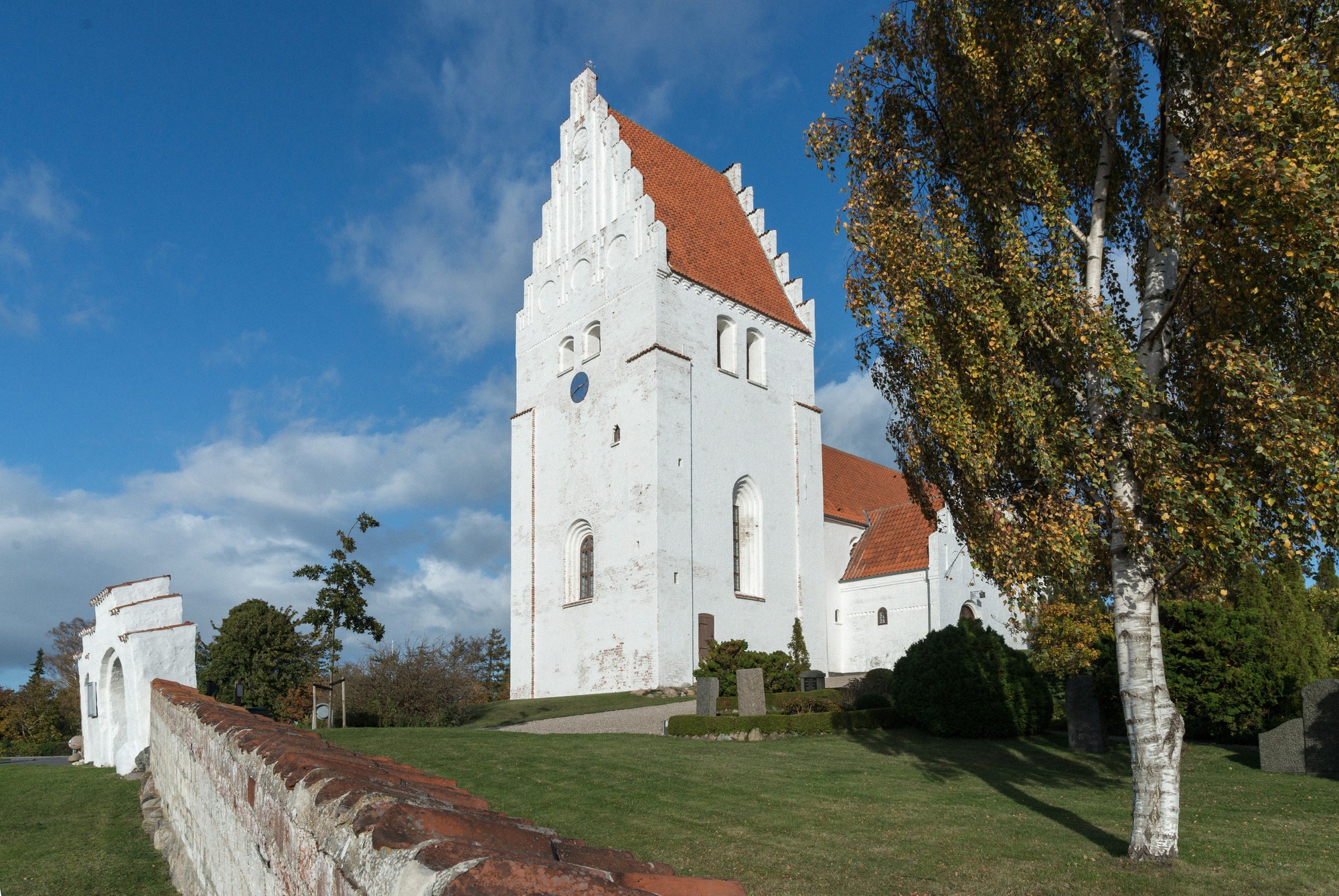
Elmelunde Kirke
Elmelunde Kirke is the oldest church on Møn and gave the Elmelunde Master his name, its vaults are covered edge to edge with frescoes from around 1500.