
Dark Sky Park Møn
Scandinavia's darkest night sky over Møn & Nyord
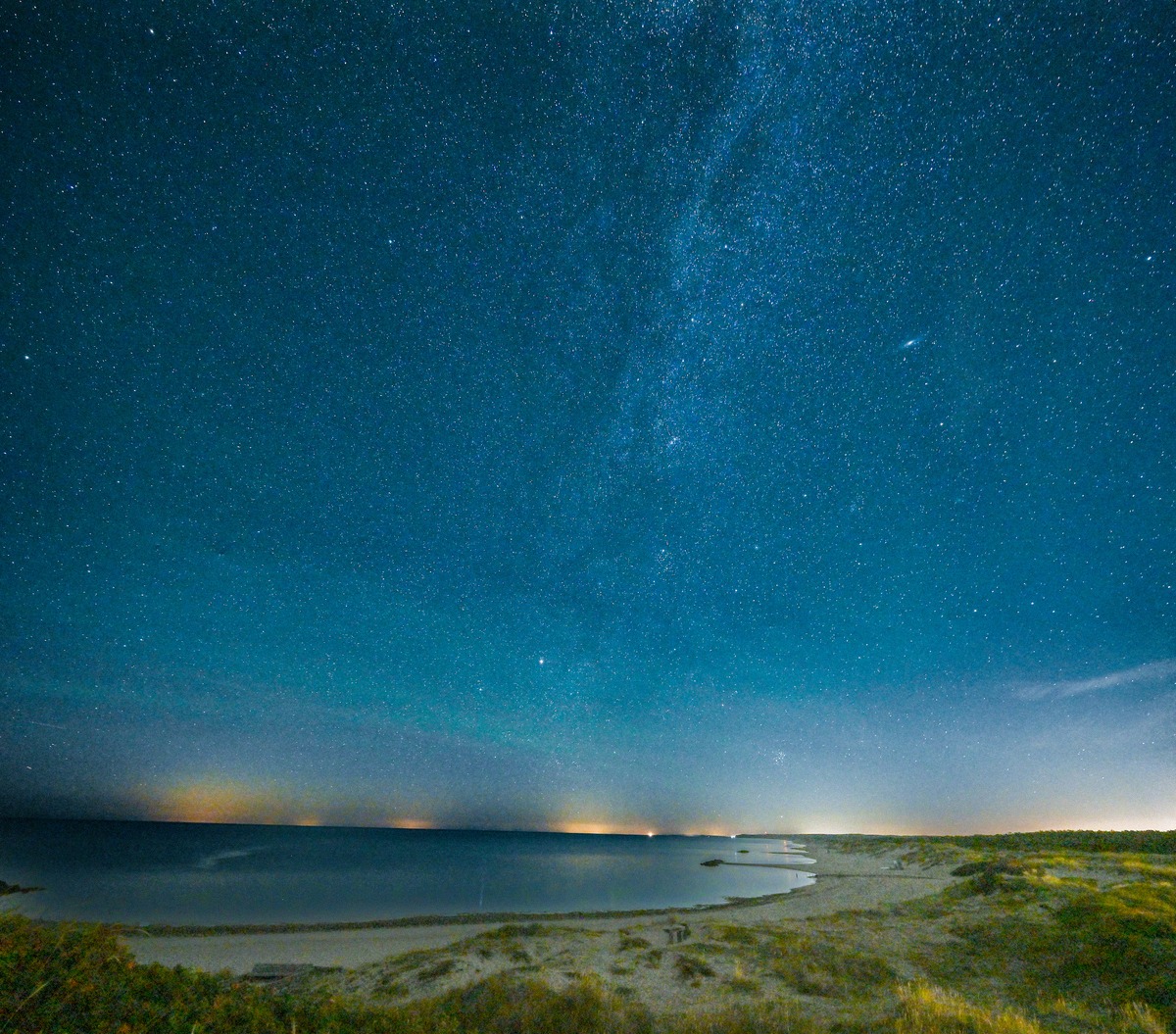
Dark Sky Møn is Scandinavia's first Dark Sky Park (Gold Tier), covering Møn and Nyord. Over 5,000 stars, the Milky Way and Andromeda, visible to the naked eye.
Contents
Scandinavia's first Dark Sky Park
Møn and its small neighbouring island of Nyord were certified in 2017 as the first places in Scandinavia and Northern Europe to become both a Dark Sky Park and a Dark Sky Community, and at the highest possible rating, Gold Tier, from the International Dark Sky Association (now DarkSky International). Together, the protected areas cover around 223 km². The scheme is run and coordinated by Vordingborg Municipality.
Behind the title lies an exceptionally dark sky. On the Bortle scale, which measures sky quality from 1 (perfectly dark) to 9 (inner-city), Møn ranks between class 1 and 2. Sky brightness reaches around 21.8 mag/arcsec² under clear, moonless conditions - Copenhagen has around eight times, and nearby Køge around four times, as much light pollution. In practice, that means over 5,000 stars are visible to the naked eye, the Milky Way appears as a clear band across the sky, and with a bit of patience you can even make out the Andromeda Galaxy as a faint smudge of light.
Where to watch from
Seven official spots are recommended, each with an open horizon and no nearby light sources. They're scattered across the island, so there's a suitable spot within reach almost wherever you're staying:
- Aborrebjerget, at 143 metres, Møn's highest point, with a 360-degree view over the landscape.
- Bird tower on Nyord, overlooking the salt marshes, also with an all-round view.
- Jydelejet, with a memorial bench and open views to the east and northeast.
- Liselund Slotspark, the park surrounding the romantic Liselund Castle.
- Kongsbjerg, the second-highest point, around a 10-minute walk from the Busenevej car park.
- Hunosøen, the lake; park at Jydelejet.
- Hyldevang, with a free overnight shelter option under the open sky.
Wherever you go, bring warm clothing and a red-light torch rather than a white one (it's gentler on night-adapted eyes), and allow some patience. Your eyes need around 20 minutes to adjust to the dark, and every glance at a bright phone screen resets that adjustment.
When to go
The best conditions are on clear, moonless nights during the dark months from September to March, when the nights are longest. The dark sky can be experienced year-round, but in midsummer, evenings in southern Denmark stay light for a long time. The Milky Way is at its best from August to November.
If you're after a real spectacle, plan your trip around a meteor shower: the Perseids peak on 13 August 2026, with the best viewing in the early hours of 12 and 13 August. This year is favourable, as 12 August is a new moon, under dark skies, up to 100 meteors an hour are possible. Good weather and moon-phase planning matter more than any equipment; for more on timing your trip, see our best time to visit guide.
Guided tours
If you'd rather go with a guide and some expert commentary, you can book a guided stargazing tour. Naturguide Møn runs tours of around 1.5 hours including a hot drink, from 1,950 DKK per tour (group price, VAT included), bookable via naturguidemoen.dk or by phone on +45 20 30 33 46. Other operators include a private Dark Sky guide with a telescope (in English, Danish and French), Strågården on Nyord, Dark Sky Star Safari, and Hotel Præstekilde. None of this is required for stargazing itself, though, the viewpoints are free and open at all times.
One thing worth knowing
The Dark Sky Park isn't a building or a museum but the open landscape itself, there's no ticket office, no gate and no opening hours. Visitors expecting a visitor centre sometimes confuse it with the paid GeoCenter Møns Klint, which is a separate, standalone attraction geared towards daytime visits and isn't needed for stargazing. And however natural the dark sky may seem, light pollution in Denmark is growing by around 8% a year. There's no legislation against it, the initiative relies on voluntary reduction and shielded, efficient outdoor lighting, which is as good a reason as any to dim your own lights at night. For how to reach the dark eastern half of the island, see our getting there guide; for official information and current events, visit Dark Sky Møn.
Frequently asked questions
How much does it cost to visit the Dark Sky Park? +
When is the best time to see the stars on Møn? +
How dark is the sky over Møn, really? +
What are the best places to stargaze? +
Do you need a guided tour or special equipment? +
Nearby
Høje Møn
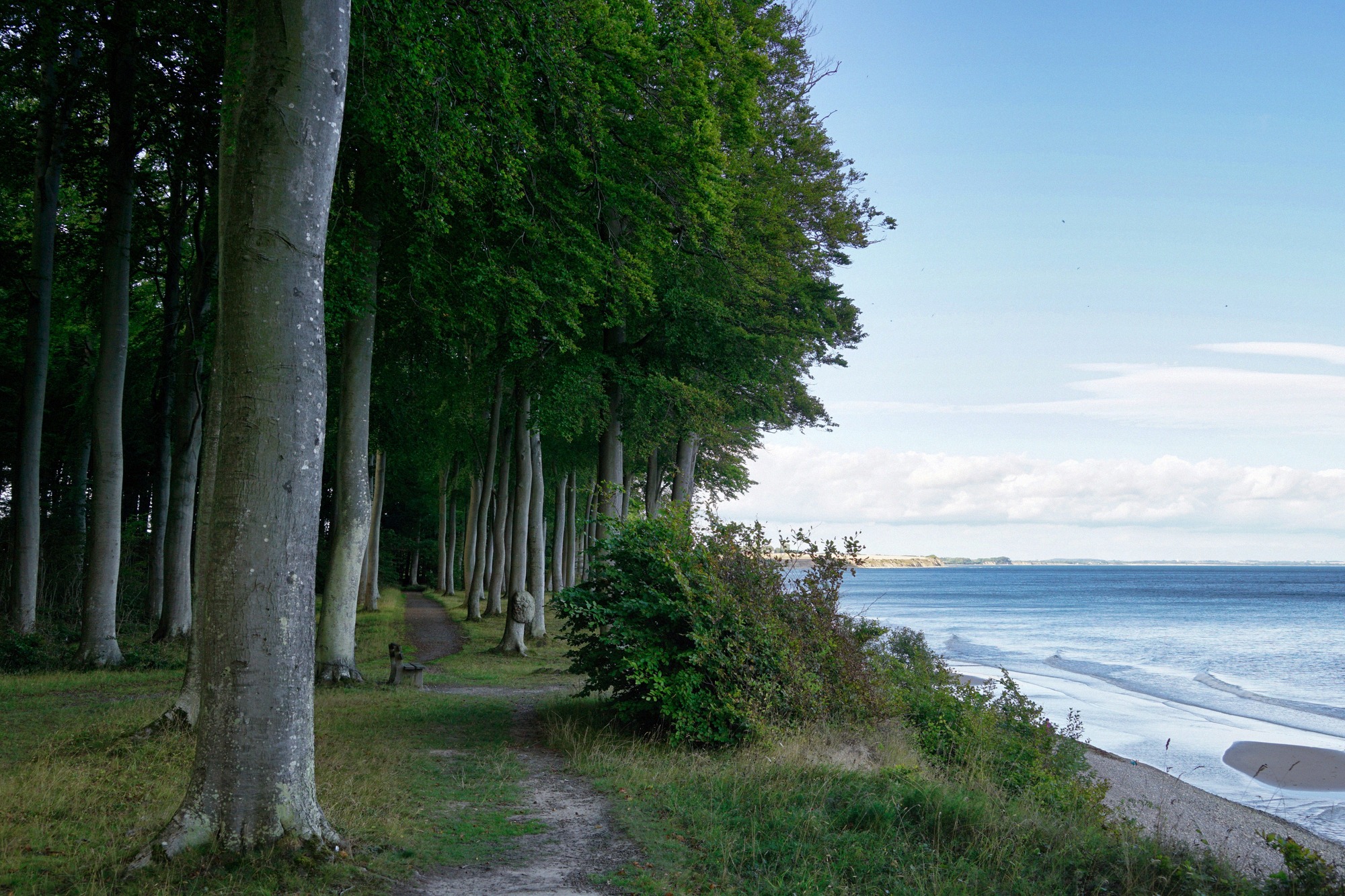
Behind the chalk cliffs lies Høje Møn, with Denmark's oldest beeches, lime-rich orchid meadows and seven marked trails inside a Dark Sky Park.
Møn Fyr
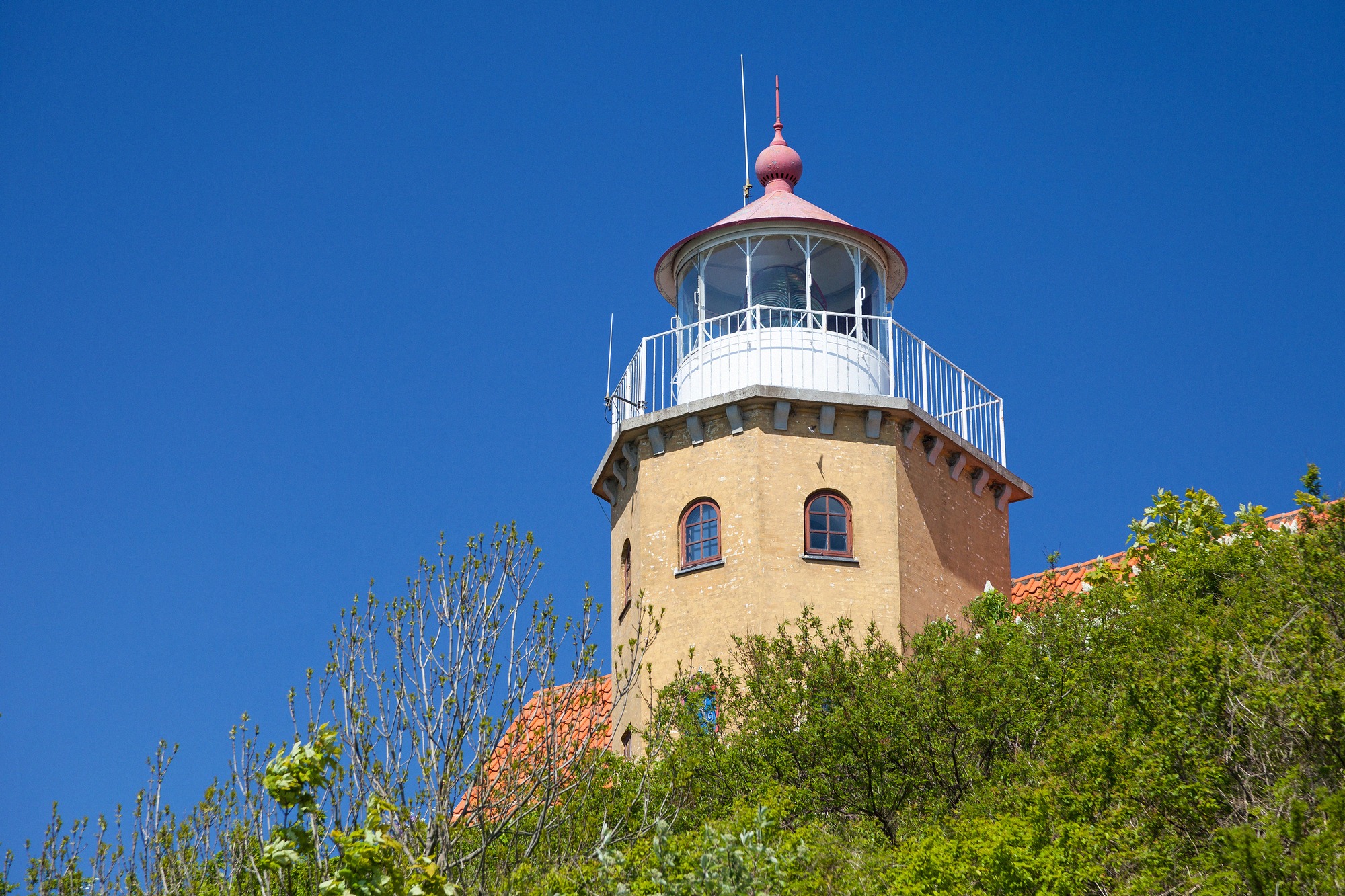
This white 1845 lighthouse marks Møn's south-eastern tip. Its light is still active, but the tower itself is closed to visitors, a quiet coastal stop.
GeoCenter Møns Klint
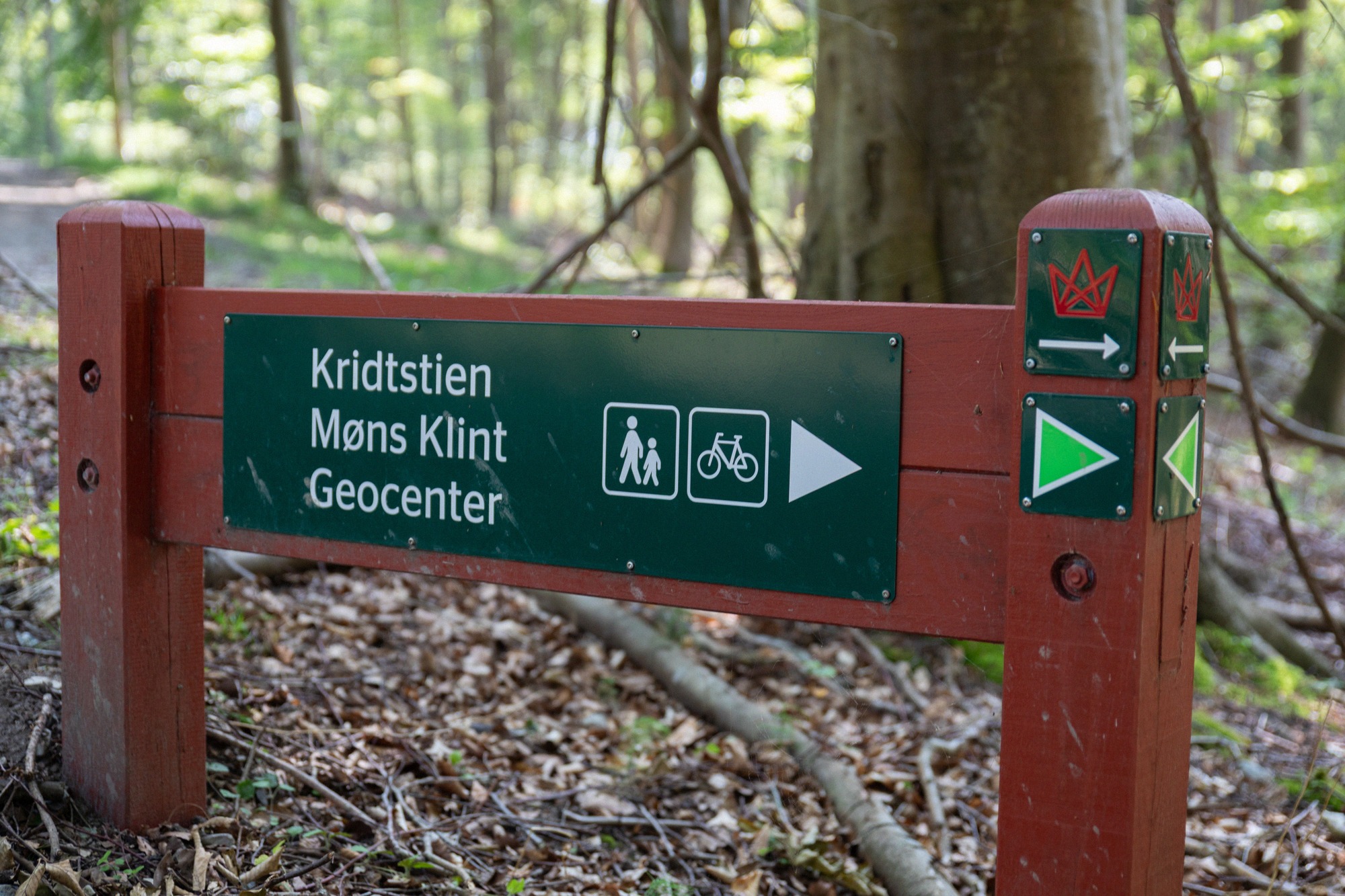
Interactive visitor centre above Møns Klint, tracing roughly 70 million years of earth history. A weatherproof complement to the freely accessible chalk cliffs.
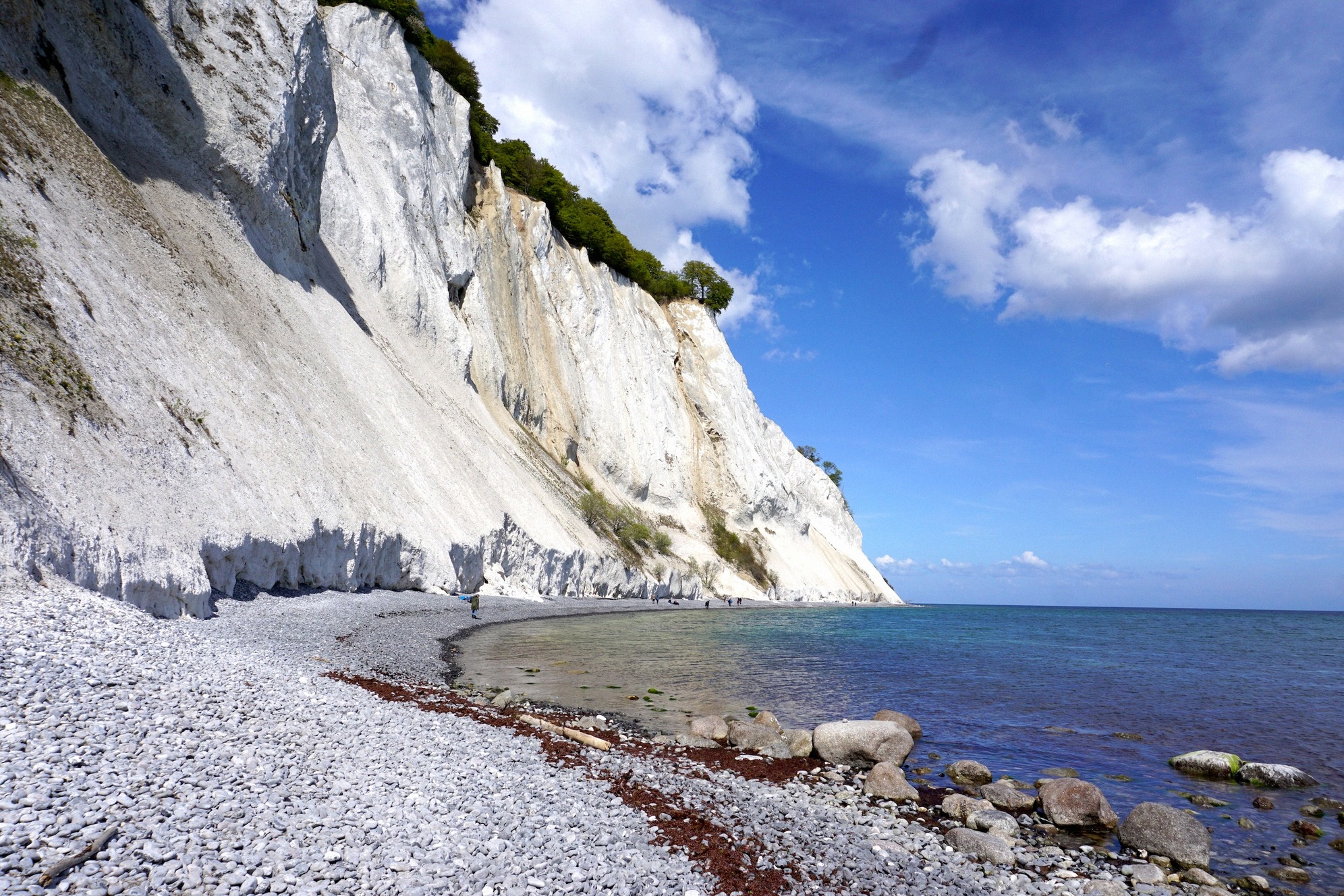
Møns Klint
Møns Klint rises up to 128 metres above the Baltic Sea, chalk cliffs over 70 million years old, with the 497-step Maglevandstrappen down to a fossil beach.
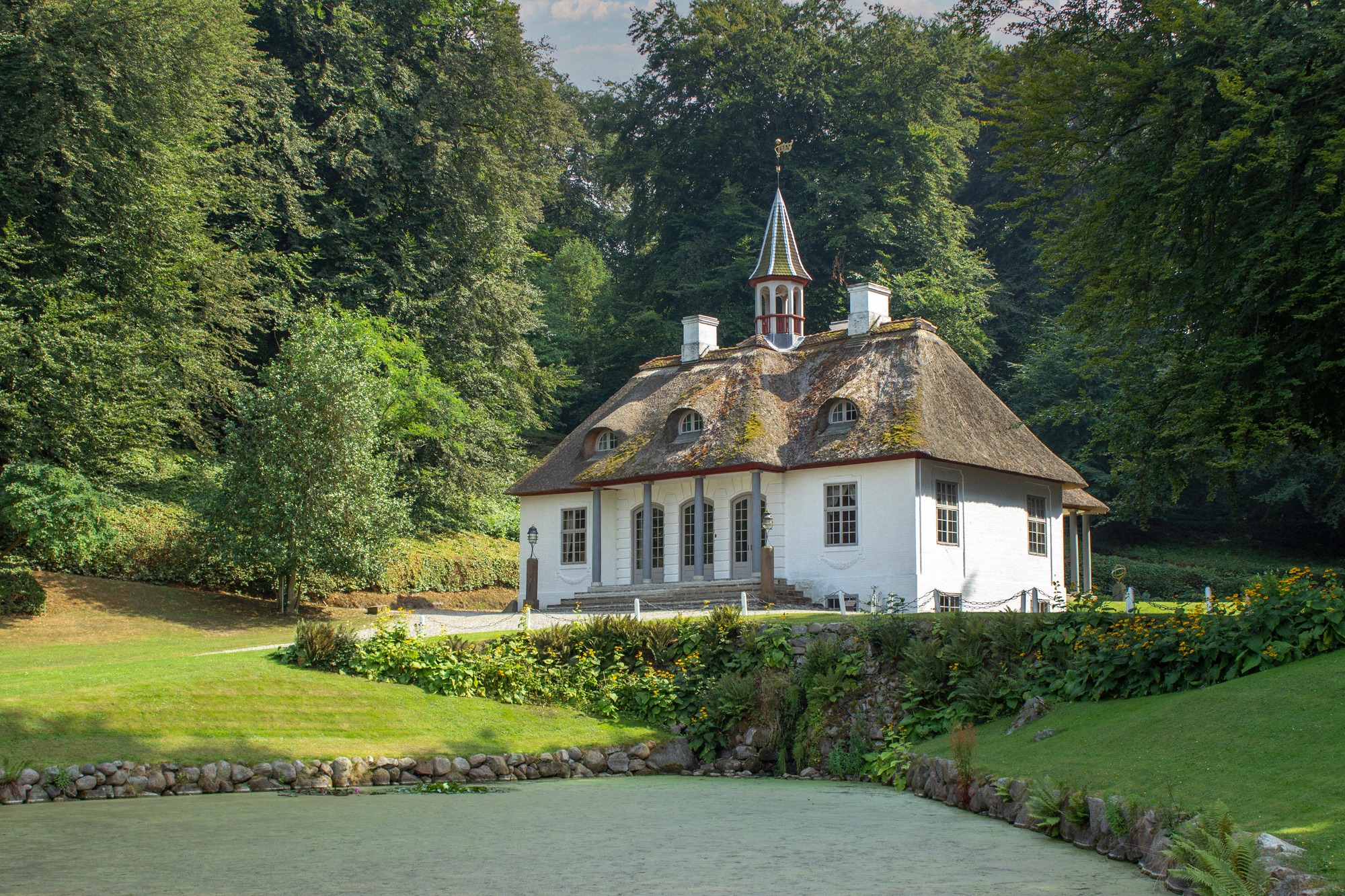
Liselund Castle
The thatched Liselund pleasure palace (Danish, Lystslottet), built in 1792, is said to be Denmark's smallest castle; its landscape park by the Møns Klint forest is open free of charge year-round.
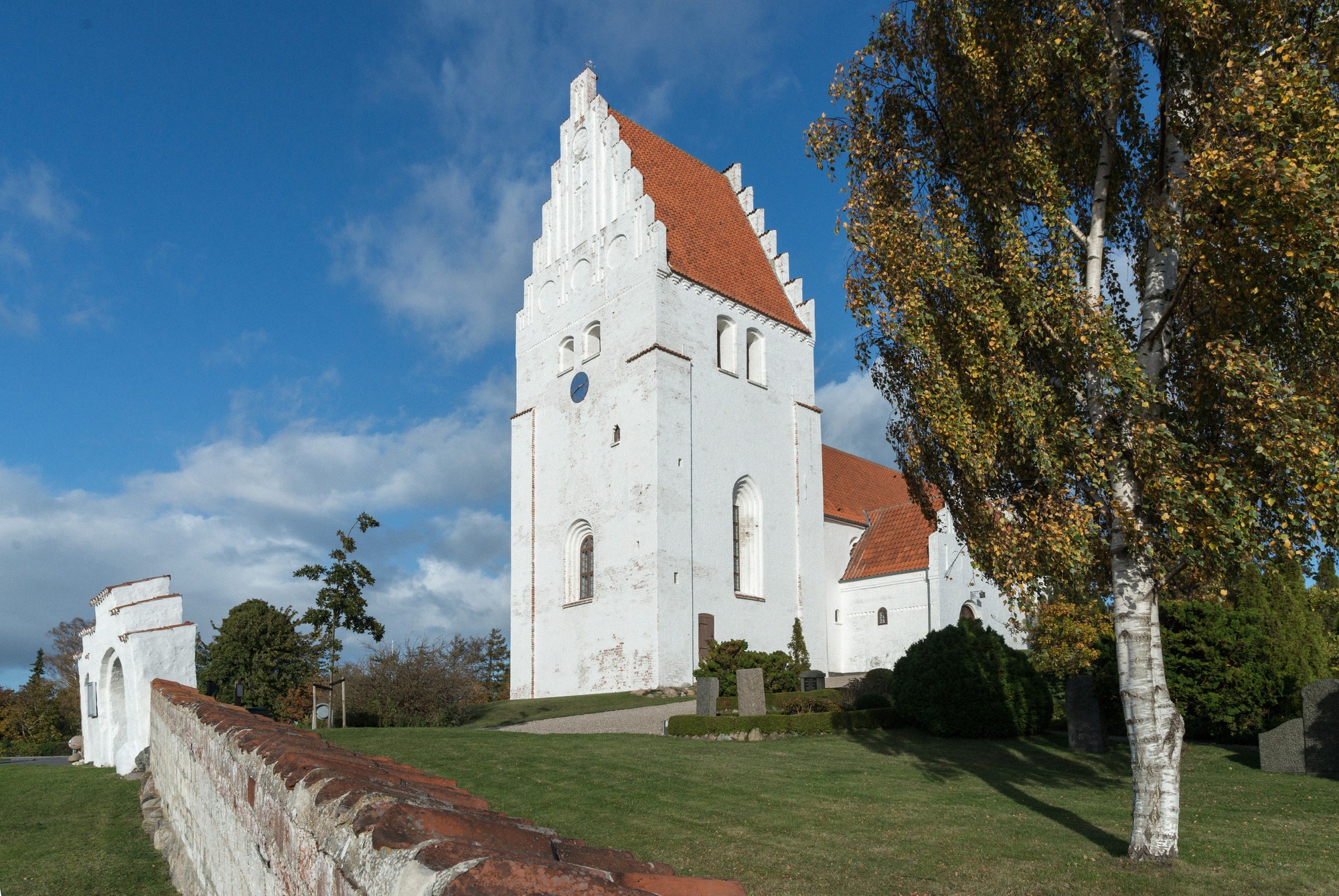
Elmelunde Kirke
Elmelunde Kirke is the oldest church on Møn and gave the Elmelunde Master his name, its vaults are covered edge to edge with frescoes from around 1500.