
Møn Fyr
White lighthouse at Møn's south-eastern tip
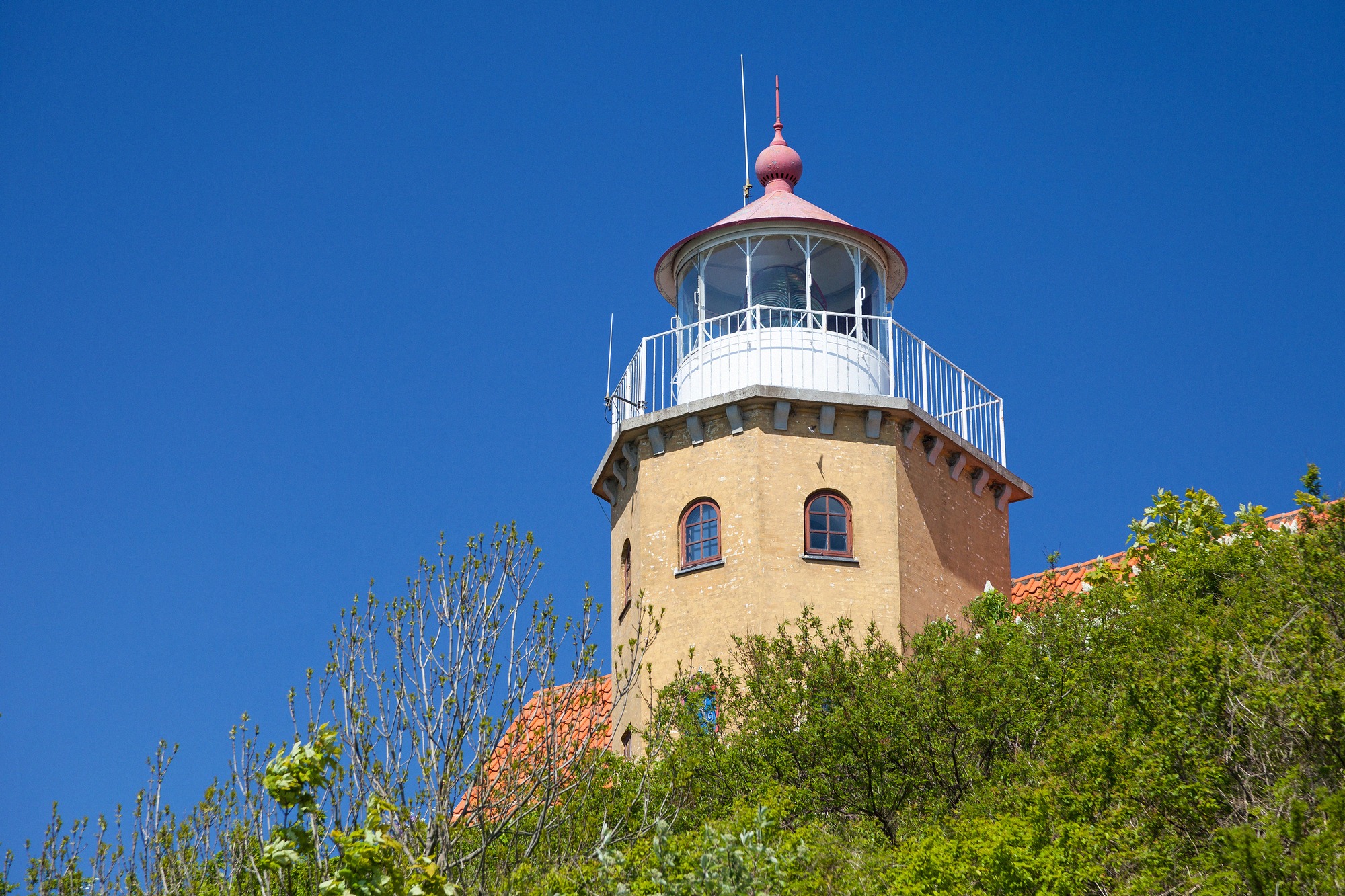
This white 1845 lighthouse marks Møn's south-eastern tip. Its light is still active, but the tower itself is closed to visitors, a quiet coastal stop.
Contents
A navigational light since 1845
Møn Fyr stands at the island's south-eastern tip, at the end of Fyrvej above the water. The lighthouse was built in 1845 and has been in operation as a maritime light ever since - originally with a fixed oil flame. The brick tower itself is only 13 metres tall, but thanks to its elevated position the light sits 25 metres above sea level. Today the slim white tower is best known as a photo subject: in clear light, with the Baltic Sea and sky opening up behind it, or at sunrise, which rises directly over the water given the tower's south-eastern position.

History and technology
Møn Fyr has been through the full technical history of lighthouses. A rotating paraffin light arrived in 1910, electrification and a Fresnel lens followed in 1947, and the current light characteristic has burned since 1958. In 1980 the last keeper, Bent Preben-Hansen, finished his service; the light has run automatically ever since. It remains active today and is officially maintained as a navigational aid, with a range of around 21 nautical miles.
The tower is considered a piece of cultural heritage and even featured on a Danish postage stamp in 1996. It was fully restored in 1999, but not reopened to visitors afterwards. It can't be entered or climbed.
What to expect
Unlike the busy Møns Klint, the lighthouse is usually a quiet spot. You can see the white tower up close and take in the wide view over the Baltic Sea, but that's about it, since the inside stays locked. The former keeper's house, "Fyret", is now rented out privately as a holiday home with its own beach access; it's occupied private property and not open to enter. Please respect the grounds and stick to the public coastal path.
The coastal grounds around the lighthouse are freely accessible. A path leads north along the coast from the car park at the end of Fyrvej. Sturdy footwear is a good idea, and in this steep-cliff landscape you should watch for crumbling edges and keep well back from the rim.
Walking the south-east coast
Møn Fyr sits between Møns Klint and Klintholm Havn, making it a good starting point for a longer coastal walk. A well-known circular route of around 18 kilometres runs from the lighthouse via the GeoCenter Møns Klint to Klintholm Havn and back; the final roughly 6 kilometres follow the beach over sand and stones and call for sure footing. If you want to explore the island's whole south-eastern corner on foot, you'll find routes and further detail in the hiking guide.
Visiting and practical info
The address is Fyrvej 8, 4791 Borre; parking there is chargeable. There are no toilets, café or picnic spot right at the lighthouse, those are at GeoCenter Møns Klint and in Klintholm Havn. As a standalone destination the tower, being closed to visitors, is easy to skip if time is short; as a brief, quiet stop between the cliffs and the harbour, though, it's well worth the detour. For getting to the island's south-east, see the getting here guide; for the best light and weather, check the best time to visit guide.
Frequently Asked Questions
Can you climb Møn Fyr? +
What does a visit to Møn Fyr cost? +
Is the light still in operation? +
Is the detour to the lighthouse worth it? +
Nearby
Dark Sky Park Møn
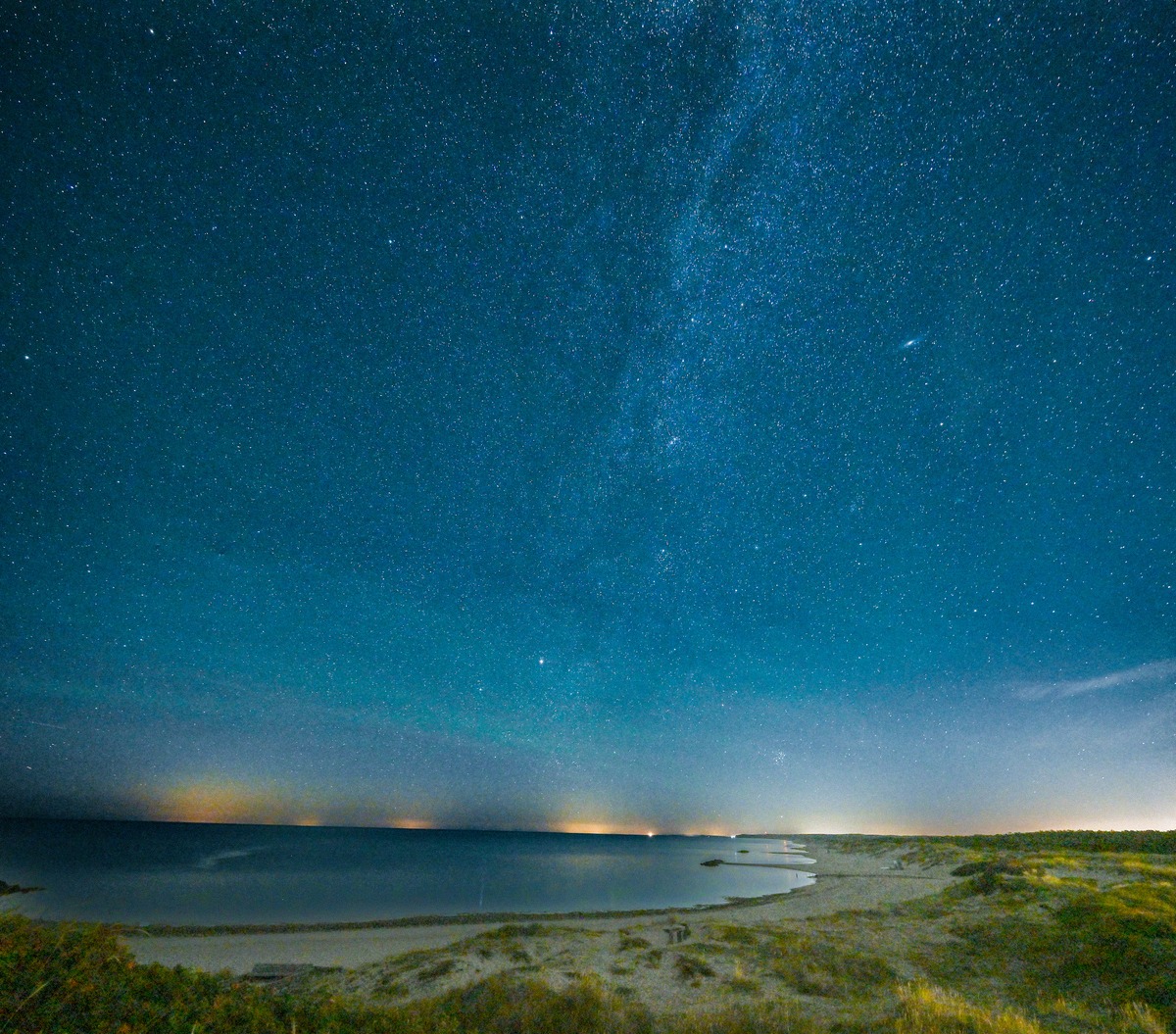
Dark Sky Møn is Scandinavia's first Dark Sky Park (Gold Tier), covering Møn and Nyord. Over 5,000 stars, the Milky Way and Andromeda, visible to the naked eye.
Høje Møn
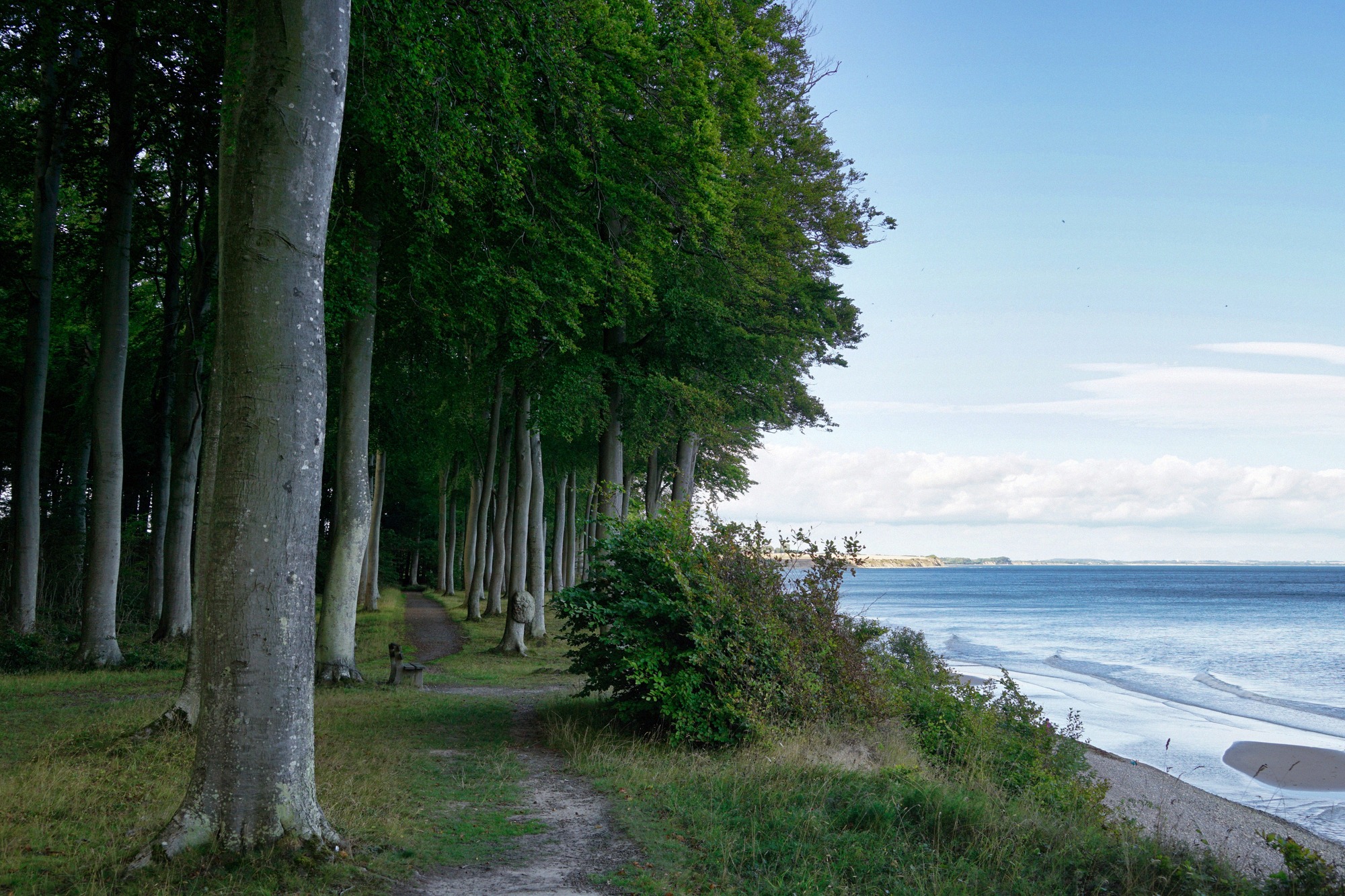
Behind the chalk cliffs lies Høje Møn, with Denmark's oldest beeches, lime-rich orchid meadows and seven marked trails inside a Dark Sky Park.
Møns Klint
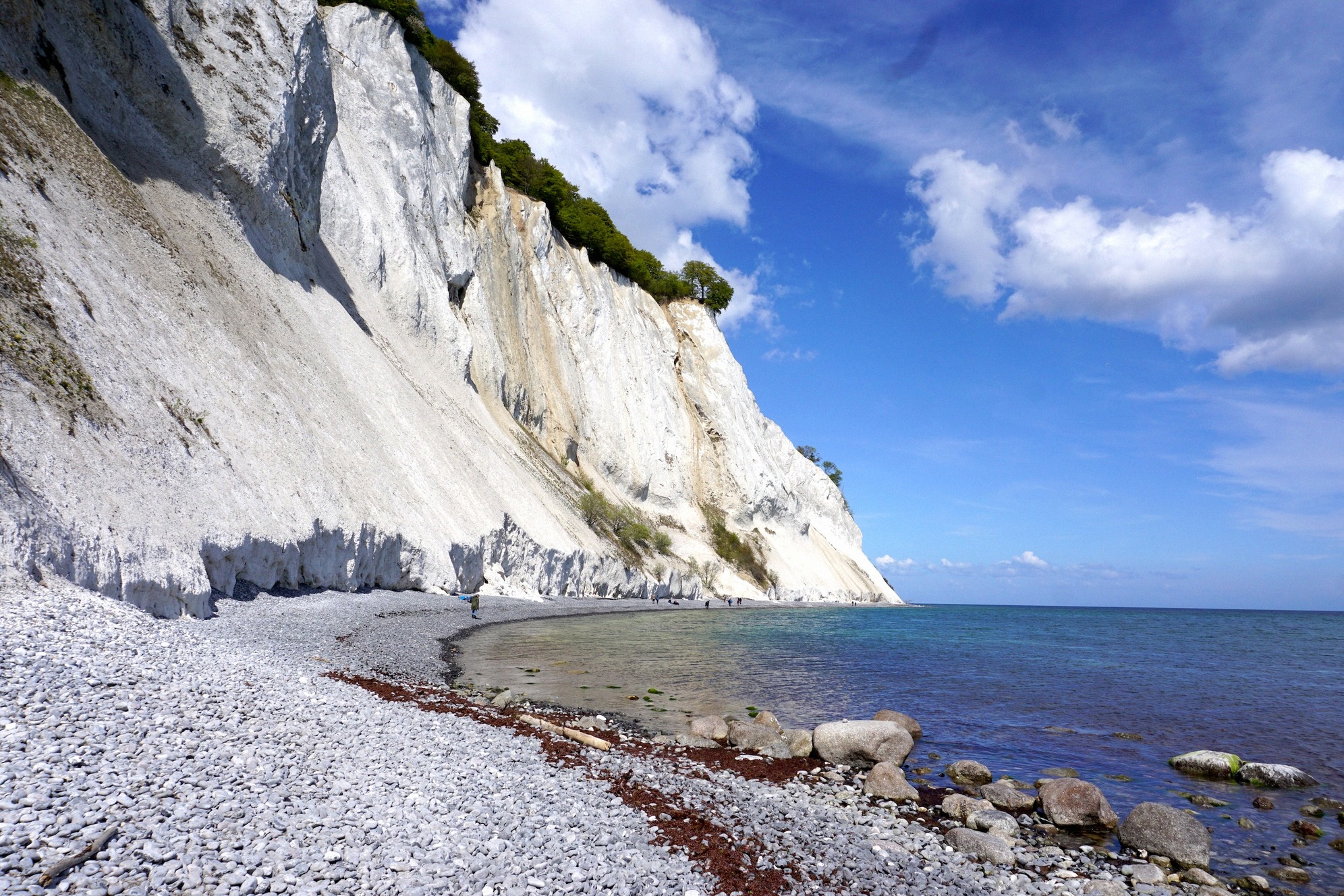
Møns Klint rises up to 128 metres above the Baltic Sea, chalk cliffs over 70 million years old, with the 497-step Maglevandstrappen down to a fossil beach.
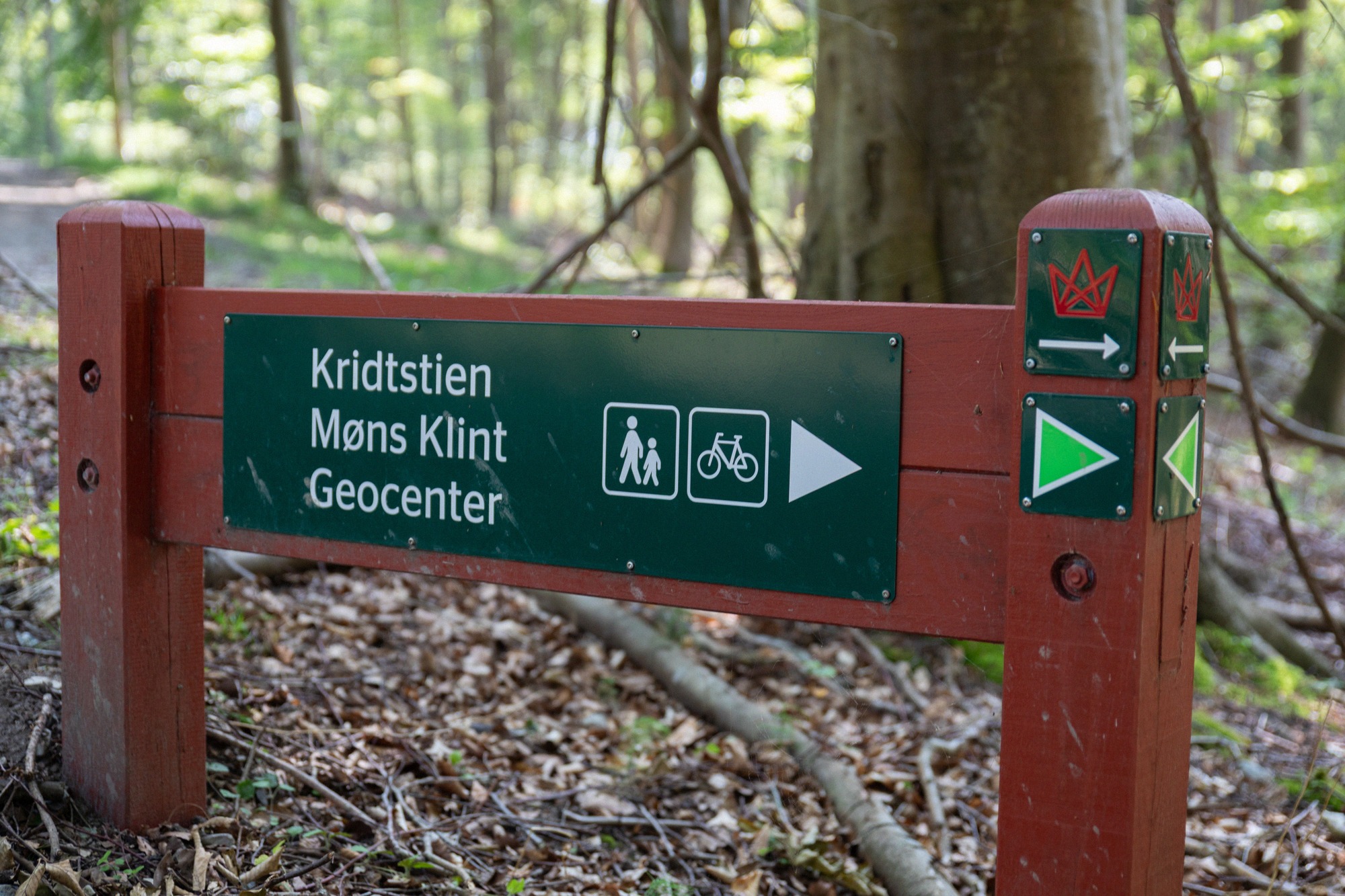
GeoCenter Møns Klint
Interactive visitor centre above Møns Klint, tracing roughly 70 million years of earth history. A weatherproof complement to the freely accessible chalk cliffs.
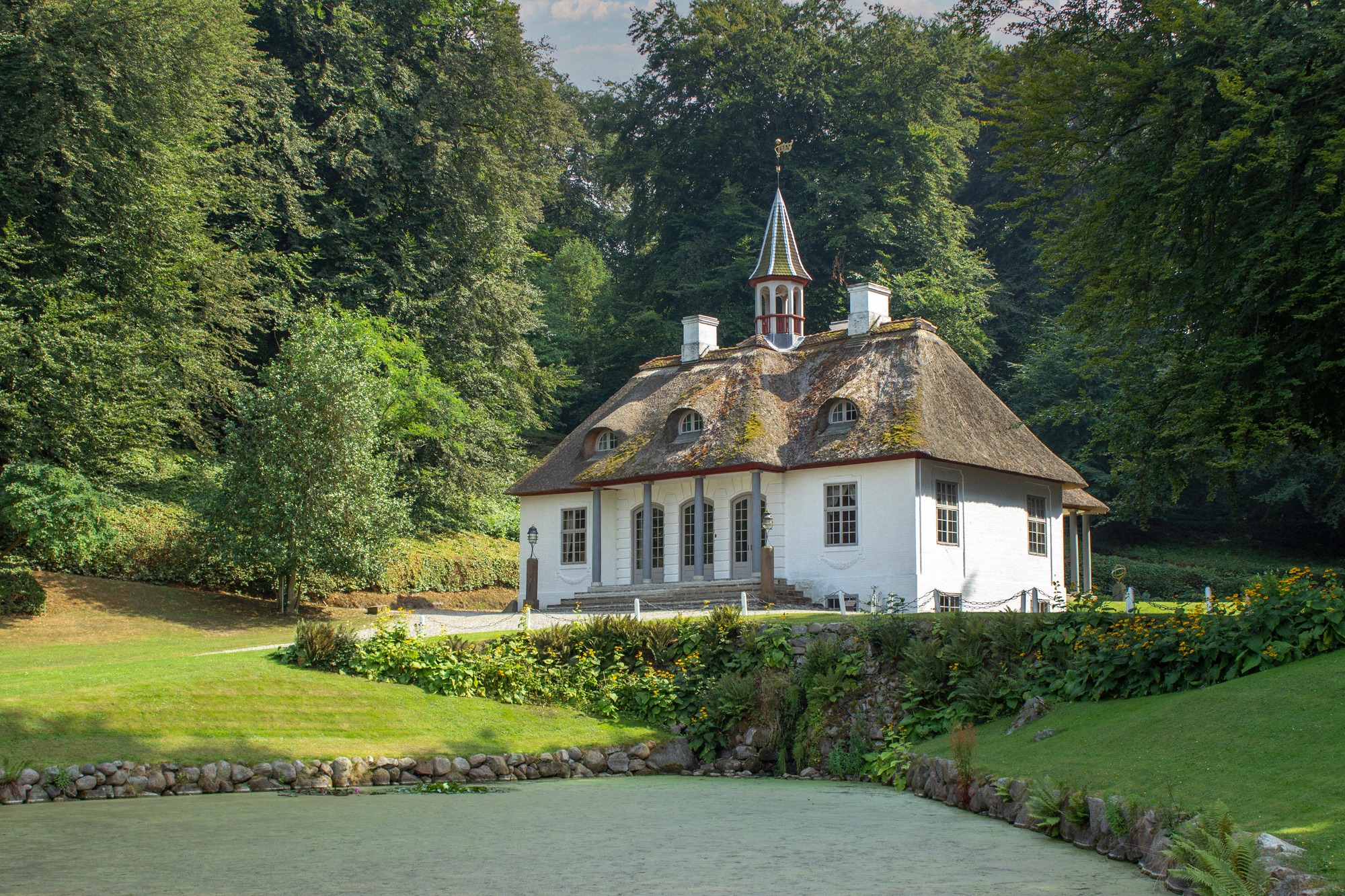
Liselund Castle
The thatched Liselund pleasure palace (Danish, Lystslottet), built in 1792, is said to be Denmark's smallest castle; its landscape park by the Møns Klint forest is open free of charge year-round.
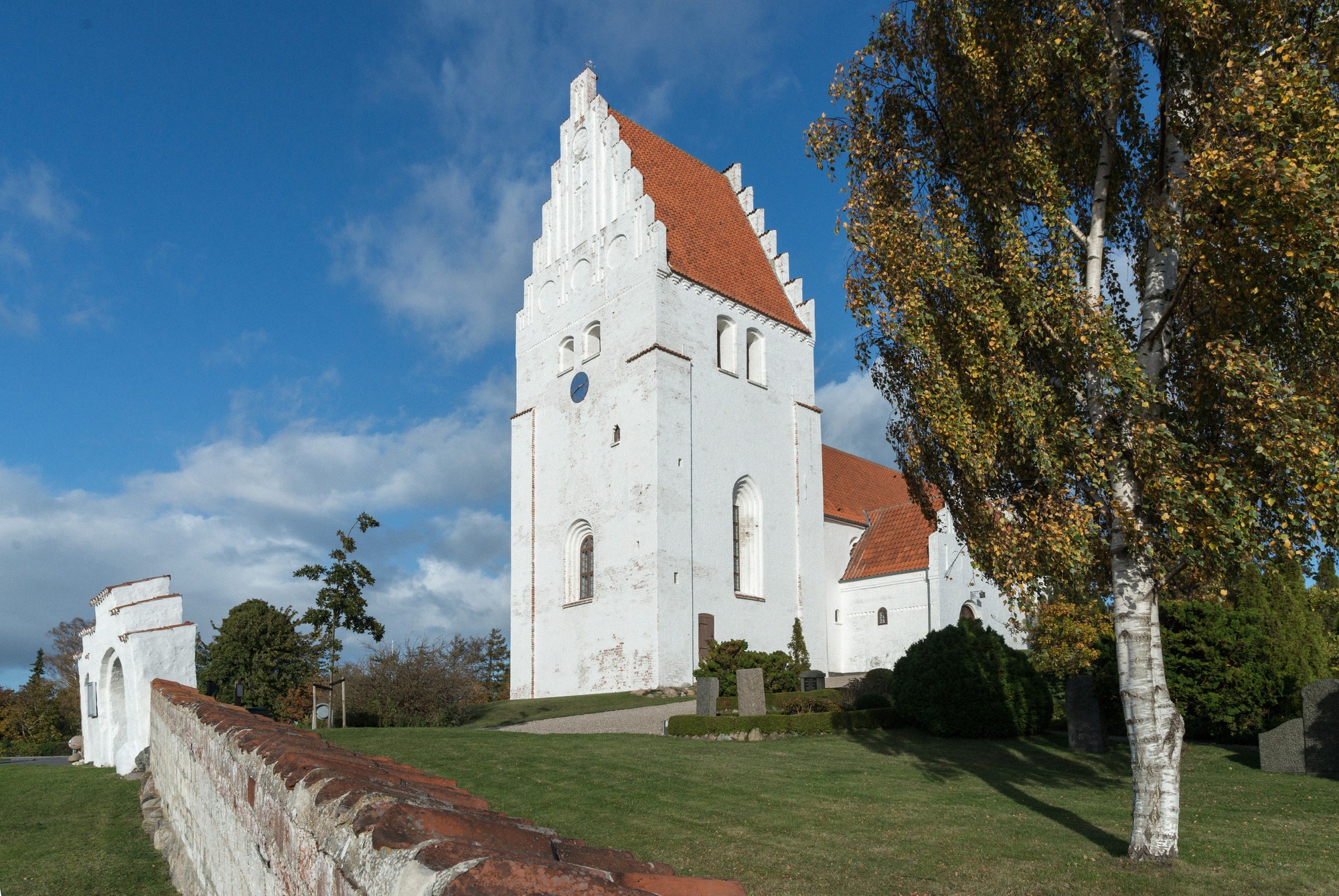
Elmelunde Kirke
Elmelunde Kirke is the oldest church on Møn and gave the Elmelunde Master his name, its vaults are covered edge to edge with frescoes from around 1500.